Exploring the unexpected connections that shape our lives
Book Reviews, Comments & Stories, Quotes, & Poetry & More
"Connections and Why They Matter"
Most of what happens in our life will spark a connection. Life connects with what has been found in books. Books connect with what happens in life. Use the connections to help you see more clearly. A love of reading and writing is what motivated the creation of this blog. Thank you for coming to the blog.
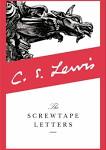
C.S. Lewis's "Screwtape Letters" is a masterpiece of satire. It is a serious look at an average man that can easily be any of us. The ordinary day-to-day life of this man is the focus of the story. He is seen from the vantage point of Screwtape, a senior tempter in the service of "Our Father Below."
Screwtape is working for Satan. Wormwood is a new demon given the assignment to ensure that the ordinary man he is to tempt will gain damnation. We assume that Wormwood doesn't want to fail this assignment to avoid his final damnation. His efforts have many humorous sides, but we see ourselves in this ordinary man.
I have always loved T.S. Eliot’s quote": We shall not cease from exploration, and the end of all our exploring will be to arrive where we started and know the place for the first time” This book is an effective and exciting way of "seeing ourselves with “other eyes.” by looking at this average man and what happens.
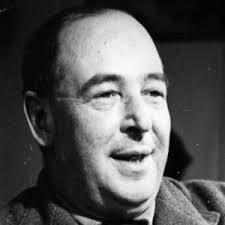
The BBC asked C.S. Lewis during World War II to do some radio programs about the fundamentals of Christianity. He started these 15 minutes broadcasts in 1941, and they came together in part as the book "Mere Christianity,” published in 1952. It is a timeless classic as influential today as when Lewis originally wrote it.
The book takes us from when Lewis was an Atheist through his ultimate conversion to Christianity. The book looks closely at what it calls moral law and says that understanding it is essential. His sense of humanity's failure to keep the moral law is key to how he sees Christ's work in overcoming the effect of Satan's rebellion.
It gives a comparison to other views of what God is. He states that Christ either was God or was not or just thought he was, and then based on Christ's character, he concludes that he was. The book looks at how Christian beliefs result in creditable ethics.
An introductory look at Christianity serves as a fundamental touchstone for Christian discourse.