Finding the right job often starts in the wrong place.
We search job listings. We update résumés. We look at salaries, titles, companies, and opportunities.
Those things matter. But there is a question that should come first:
What kind of work actually fits who I am?
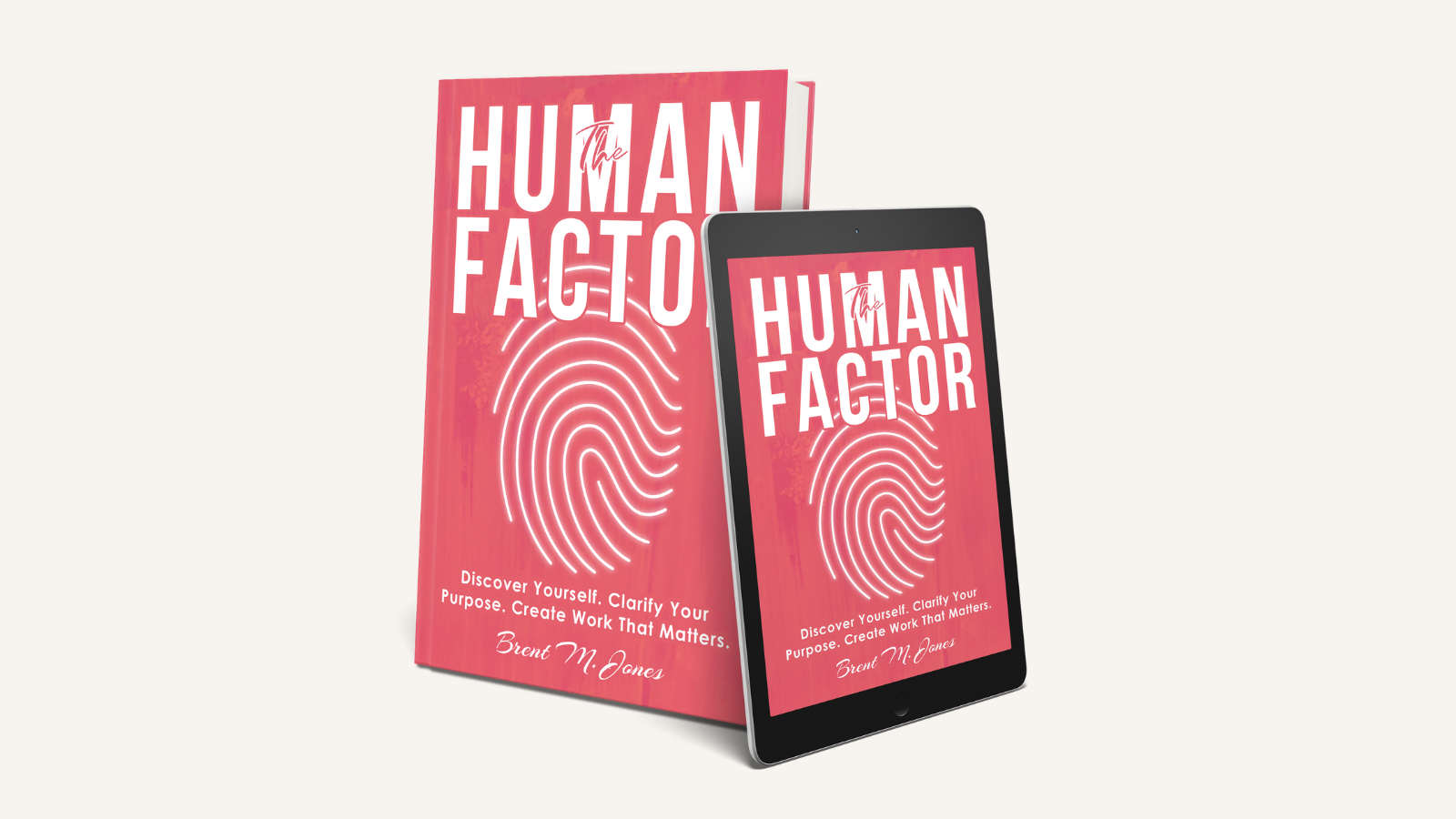
That question is at the heart of The Human Factor: Discover Yourself. Clarify Your Purpose. Create Work That Matters.
I wrote this book around a simple idea: before you can make a good decision about where you want to go, you need a clearer understanding of the person making that decision.
Knowing Yourself Changes the Job Search
A career is more than a sequence of jobs.
The work we choose becomes connected to our identity, relationships, confidence, sense of accomplishment, and often our understanding of purpose.
Yet we can spend years moving from one position to another without stopping to ask whether the direction still makes sense.
What matters to me now?
What am I good at?
What kind of work gives me energy rather than simply consuming it?
What have my experiences taught me about myself?
What does success mean to me at this point in my life?
These aren't questions with one permanent answer. We change. Our circumstances change. The things that mattered to us at 25 may look very different at 45 or 65.
That is why career decisions sometimes require more than looking outward for another opportunity. They require looking inward first.
Your Story Is Part of the Answer
One of the central ideas in The Human Factor is that our personal stories help us understand who we are.
We tend to think about a résumé as the record of our professional life. It isn't. It is only a small part of it.
Our experiences include successes and failures, people who influenced us, unexpected opportunities, disappointments, skills we developed without planning to, and interests that continued to pull at us.
Looking back at those experiences can reveal patterns.
The book explores how understanding your values, strengths and personal story can give you a better foundation for deciding what comes next. It is about looking for fit, rather than simply looking for another opening.
But Self-Understanding Isn't Enough
Reflection matters, but eventually we have to test what we think we know against the real world.
That is where The Human Factor becomes very practical.
Once you have a better sense of what you're looking for, you need information.
What is that career really like?
What is happening inside that industry?
What skills are employers actually looking for?
What is the culture of a particular company?
Would I enjoy doing this work every day, rather than simply liking the idea of doing it?
A job description can't answer all of those questions.
People can.
Why Networking Matters
I have spent much of my professional life watching how people find jobs, hire employees, build careers, and make transitions.
Again and again, relationships matter.
But networking doesn't have to mean collecting contacts or asking strangers for jobs.
Good networking is about learning.
It means talking with people who know something you don't. Asking thoughtful questions. Listening. Understanding an industry, company, profession, or opportunity from someone who has experienced it firsthand.
Those conversations can change the direction of a career.
The Informational Interview
That is why informational interviewing plays such an important role in The Human Factor.
An informational interview isn't a job interview.
You aren't asking someone to hire you.
You're asking them to help you understand.
What does their work actually involve? What skills matter? What is changing in their industry? What do they wish they had known earlier? What kind of person succeeds in their organization?
These conversations can help you investigate a career before committing to it and discover opportunities you wouldn't necessarily find through an online search.
They can also expand your network naturally.
One conversation leads to another. One introduction leads to someone else. Gradually, you begin to understand not only where opportunities exist, but where you might fit.
From Self-Discovery to Action
That is the larger journey of The Human Factor.
It begins with you.
Your story. Your values. Your strengths. Your interests. Your definition of meaningful work.
But it doesn't end there.
The next step is taking that understanding into the world, talking with people, gathering information, asking better questions, and making more informed choices.
Discover yourself. Clarify your purpose. Create work that matters.
Those aren't three separate ideas.
They are a sequence.
Before chasing the next opportunity, understand what you're actually looking for.
Before deciding what job you want, understand what kind of work fits you.
And before asking someone else to recognize your value, make sure you understand that value yourself.
Your career begins with you.
The Human Factor: Discover Yourself. Clarify Your Purpose. Create Work That Matters is available in Kindle and paperback editions on Amazon.