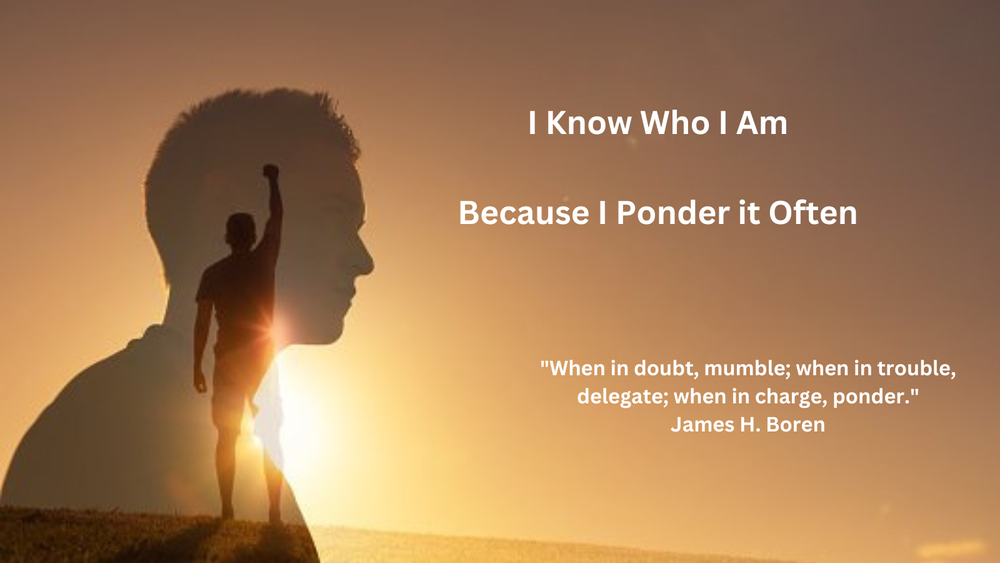

Finding Inspiration: Should Life Be About Winning?

Is winning a good life goal?
Vince Lombardi, the legendary football coach, famously said, “Winners never quit, and quitters never win.” He is also often credited with another line: “Winning isn’t everything; it’s the only thing.”
That point of view frames winning as victory in a contest; someone succeeds because someone else loses. When I sit with that idea, I’m left wondering what it really means outside of a game or a scoreboard.
What have I actually won in my life?
Winning suggests competition. Whom did I beat? Was it skill or luck? And if it was luck, did it matter? If winning means receiving a prize, is that a meaningful reason to outperform others? If it means effort, the question shifts.
There have been many times when I focused fully on reaching a goal. But in life, “winning” often looks less like defeating others and more like living in alignment with your values, pursuing your goals, supporting your family, and resting at the end of the day with a sense of contentment.
By that definition, winning becomes personal. It stops being a noun you possess and becomes an adjective describing how you lived.
If two people work as hard and as thoughtfully as they can toward their own goals, and both reach them, did they both win? What if one result looks better from the outside? The answer depends on whether the goal was to outperform someone else or to do your best.
That distinction matters.
When winning becomes a requirement rather than a byproduct, when survival, status, or self-worth depends on it, pressure replaces purpose. Improvement turns into anxiety. Comparison turns into risk.
Striving to do your best is sustainable. Needing to win at all costs is not.
Winning, when it is the only thing that matters, eventually brings trouble with it. But effort, integrity, and clarity of purpose tend to endure long after the scoreboard fades.
Why Is Wisdom Important

Feeling inspired each day doesn’t happen by chance—it begins with what we choose to notice, appreciate, and believe in. Inspiration often grows out of gratitude, curiosity, and a willingness to see meaning in ordinary moments. When we nurture that awareness, inspiration becomes more than a fleeting feeling—it becomes the spark that ignites creativity, deepens focus, and renews purpose. Those who live with inspiration, whether at home or at work, tend to engage more fully with life. They solve problems with imagination, take action with confidence, and view challenges as opportunities to learn. Inspiration leads to knowledge, and with time, knowledge matures into wisdom.
Wisdom is more than what we know—it’s how we live what we know. It grows through experience, reflection, and the humility to keep learning. Wisdom allows us to see beyond the surface, to connect ideas and people in meaningful ways. It’s not simply about accumulating facts or achievements but about applying insight to serve truth and goodness.
True wisdom requires compassion, self-awareness, and the courage to act with integrity. It guides us to make sound judgments and to respond with understanding rather than impulse. Doing good, discerning truth, and making wise choices all depend on this deeper clarity.
It’s one thing to know what is right—it’s another to live it. Many know the Ten Commandments by heart, but wisdom is what transforms them from words into action. Without wisdom, knowledge remains idle. With wisdom, it becomes light—illuminating how to be good, just, honest, and trustworthy in a complex world.
Wisdom isn’t about knowing more—it’s about living what you know. Inspiration awakens knowledge; wisdom transforms it into kindness, purpose, and good judgment.
Finding the Good in Others Starts with Letting Go of Perfection
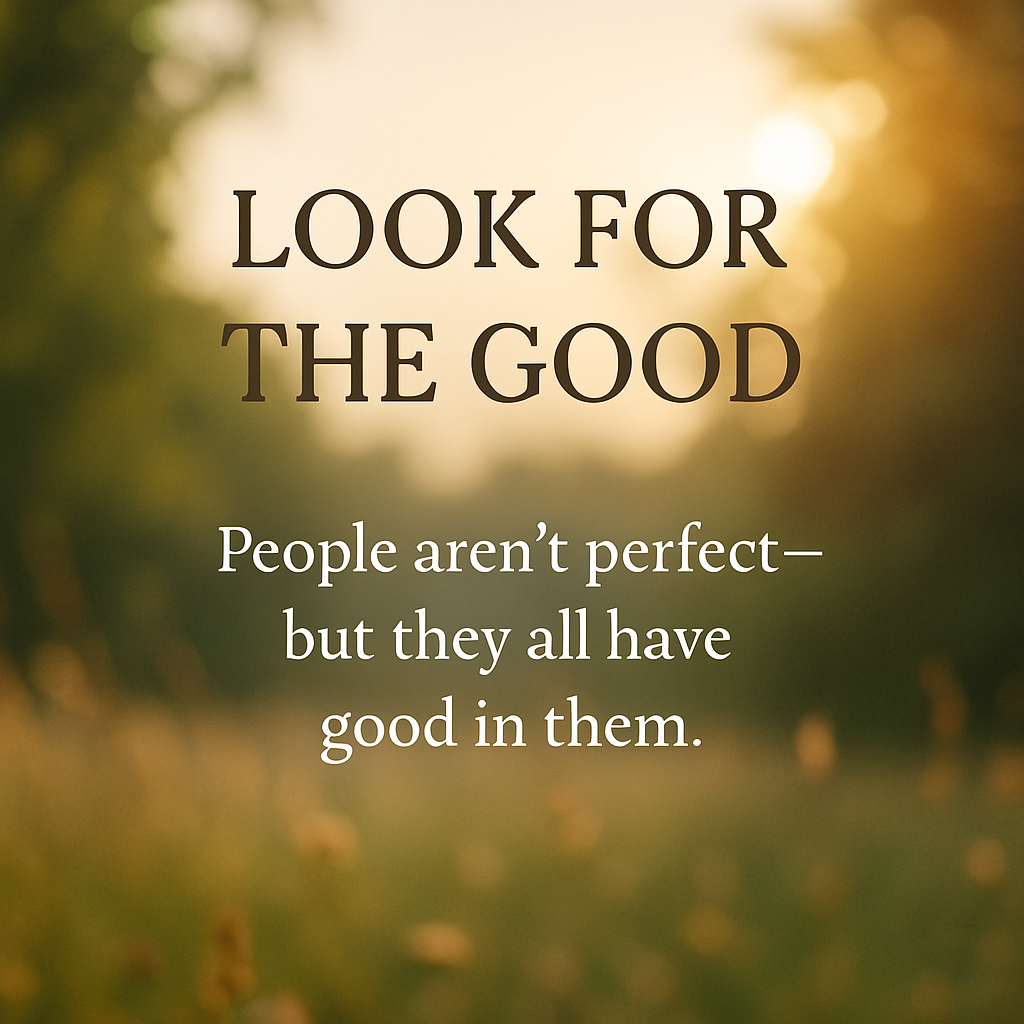
Recognizing the best in others requires us to release the illusion of perfection—and in doing so, we grow into better, more compassionate versions of ourselves.
Read moreMastering Emotion: The Hidden Driver of Authentic Communication
Understanding and guiding our emotional responses is key to building meaningful, honest, and effective connections.

When it comes to communication, emotion plays a quiet but powerful role. Whether we're in a personal conversation, a professional exchange, or a moment of conflict, our emotional state often determines how clearly we listen and how honestly we respond. Authentic communication—where what we say reflects what we truly think and feel—depends on emotional self-awareness and self-regulation.
Think about a time when frustration or anger crept into your voice, even if you tried to sound composed. Or when enthusiasm and excitement helped you engage someone and build immediate rapport. Emotions color every word we say. And unless we learn to recognize and guide them, they can hijack our intentions, leaving us misunderstood or disconnected.
The Power of Emotional Intelligence
Emotional intelligence is not about suppressing what we feel. It’s about noticing our emotional patterns, understanding their roots, and deciding how best to express or redirect them. People with high emotional intelligence don’t avoid difficult feelings—they process them with clarity and intention. This ability helps build trust, especially in situations where open, honest communication matters most.
Authentic communicators are not emotionally neutral—they are emotionally grounded. They know when to speak from the heart, when to pause and reframe, and how to show empathy without losing their own voice. They can express disagreement without hostility, and offer encouragement without sounding artificial. In short, they are aware of the emotional climate they help create.
The Double-Edged Nature of Emotion
Of course, emotions can both help and hinder us. Positive emotions like joy, hope, and appreciation strengthen relationships and inspire collaboration. But even these can mislead us if we become overly optimistic or dismiss important concerns. Negative emotions, on the other hand, can signal important boundaries or unmet needs, but they often get expressed in ways that damage the connection.
Learning to interpret our emotions as signals, not commands, is essential. A surge of anxiety may mean we care deeply about an outcome, not that we should panic. A flash of irritation may point to misalignment, not that the other person is against us. By slowing down and separating the emotion from the message, we communicate more clearly and stay aligned with our deeper values.
Emotionally Attuned Communication Builds Connection
The more attuned we are to our emotions, the more we can tune in to others as well. Emotional awareness helps us pick up on what’s not being said—hesitations, tone shifts, or unspoken needs. It encourages us to ask better questions and listen more fully. When people feel seen and heard on an emotional level, they are more likely to respond with trust, honesty, and openness.
In this way, emotional mastery isn’t about being controlled—it’s about being in control. It’s not about being emotionless—it’s about being emotionally fluent. And when we apply that fluency to our conversations, both personal and professional, we make room for the kind of authenticity that builds lasting, meaningful connection.
“What Happens When You Lead with Gratitude” →

A personal look at how thankfulness reshapes your energy and opens the door to possibility.
Gratitude is more than just a feeling — it's a mindset that can transform how we experience each day. When we shift our focus toward what we appreciate, even in small ways, we unlock energy, clarity, and a deeper connection to the world around us. This reflection explores how choosing gratitude leads to real and lasting inspiration.
When you feel gratitude, you shift your focus to the positive things in your life. Feeling grateful can boost your entire being. You’ll feel your energy levels and sense of optimism increase, making it easier to be inspired, to see opportunities, and to want to contribute to the world around you in a positive way. Choosing to feel gratitude replaces negativity, and the positivity you’re left with opens the door to inspiration. Gratitude is an important first step toward finding inspiration.
Gratitude grounds you in the present. When you take the time to notice what’s already good in your life, you stop chasing after the illusion that happiness is always somewhere else. Instead of being stuck in regret over the past or anxiety about the future, you begin to find purpose in the here and now. And inspiration often starts there — in moments of stillness and awareness.
The simple act of appreciating what you have can create a ripple effect. It doesn’t just change how you feel internally — it can transform how you treat others. Gratitude makes us more compassionate, more patient, and more open to connection. These qualities are fertile ground for creative thinking, empathy, and meaningful conversations — all of which feed the spirit of inspiration.
Gratitude is also a form of resilience. Life is rarely without struggle, but when you can still name something to be thankful for — even in difficult times — you reclaim a sense of control. That strength allows you to rise above discouragement and reconnect with the motivation to move forward. Inspiration isn’t only found in joy; sometimes, it’s born from overcoming hardship with grace.
You don’t have to wait for something extraordinary to feel grateful. In fact, the most powerful form of gratitude comes from noticing the ordinary — a conversation, a moment of peace, the ability to learn something new. When you begin to view life through this lens, everything becomes a potential source of inspiration.
Ultimately, gratitude reminds you that you’re not empty — you’re already full of life, experiences, lessons, and possibilities. And when you recognize that fullness, you create space for inspiration to show up naturally, without forcing it. You become more attuned to the quiet nudges that push you toward your next idea, your next goal, or your next act of kindness.
Open-mindedness leads to Inspiration

When Your Mind is Open Inspiration Can Find It’s way in
Inspiration is motivation from an external source that causes a person to have an idea and/or produce something creatively. The ideas come from somewhere else or are prompted by something outside of your brain and perhaps that is why your mind has to be open.
The inspired thoughts have to have somewhere to fit in your mind, and if your mind is closed for business, then new ideas may not be welcomed.

Quote About Inspiration
Listen to the Wind Hit the Trees and Find a Personal Message of Inspiration →

The wind flows through the leaves smoothly with a natural sound. Listening to it can relieve anxiety and humiliation, wash away confusion and impurity, expand the spirit and lighten the heart, make one feel peaceful and contemplative, and cause one to wander free through the skies. Getting close to nature can bring personal inspiration.
If you listen closely, what you hear may be very personal because it is a feeling rather than a thought. The sounds of kids playing in the park jumping on racked leaves. The sounds of leaves crunching beneath your feet as you walk with a loved one. Storytelling is a way to evoke feelings that the words can draw out and then trigger a range of emotions, from curiosity and excitement to empathy and trust.
Types of Feelings and Emotions
Love, sadness, happiness, empathy, concern, fear, anger, surprise, disgust, interest, joy, contempt, hostility, shame, shyness, greed, lust and guilt.

When The Wind Hits the Trees and the Leaves Good Timber and Found Memories are Found
25 Ways to Find Inspiration and More →

You are the source of your inspiration because whatever or whoever you seek to spark, the inspiration flows through your perception and history, and the twist you put on it becomes the final brushstroke.
“You are the source of your inspiration.”