
Originally published February 6, 2020. Revised and expanded August 2026.
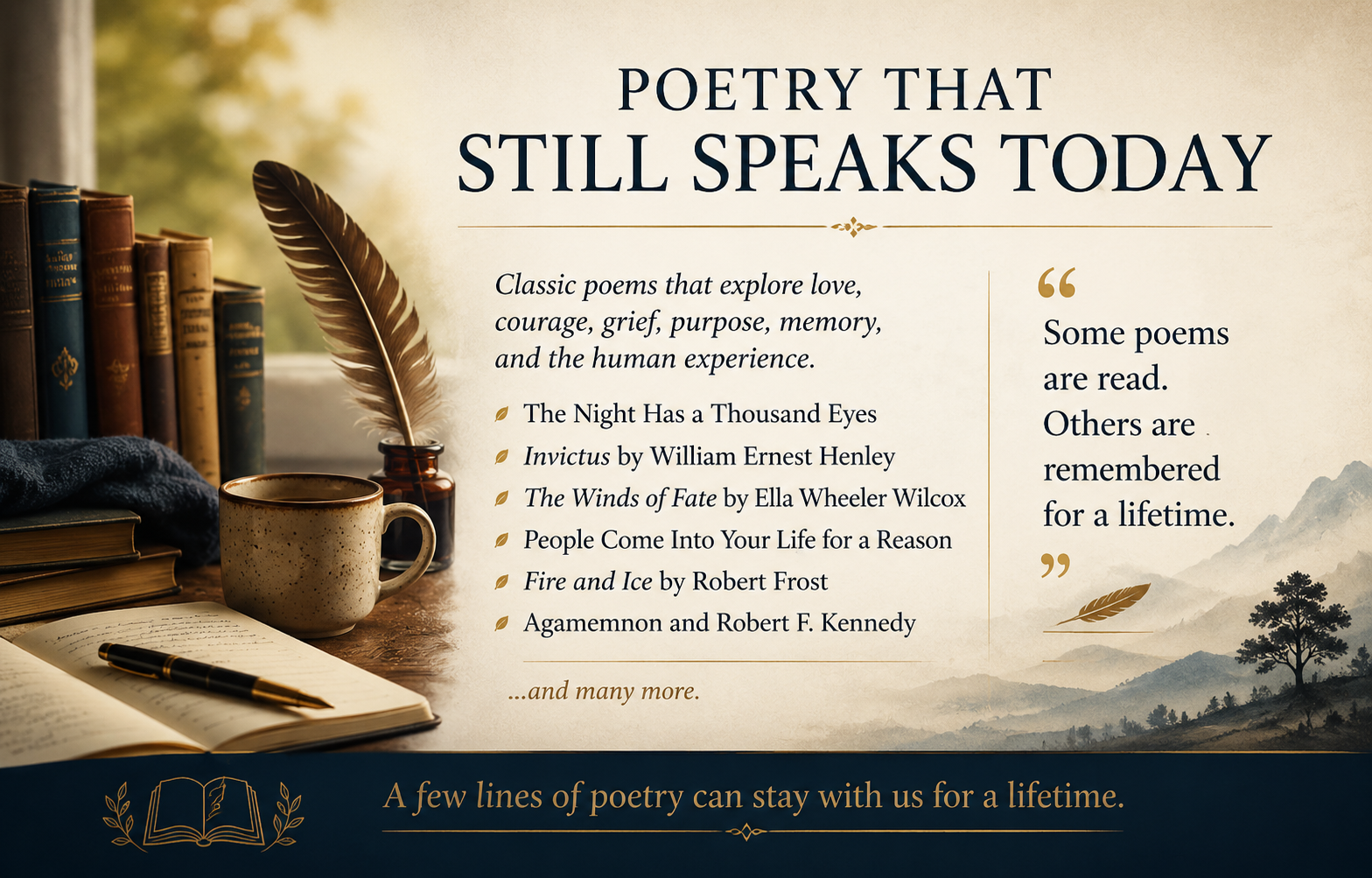
The Night Has a Thousand Eyes: Meaning, Analysis, and Why the Poem Still Matters →
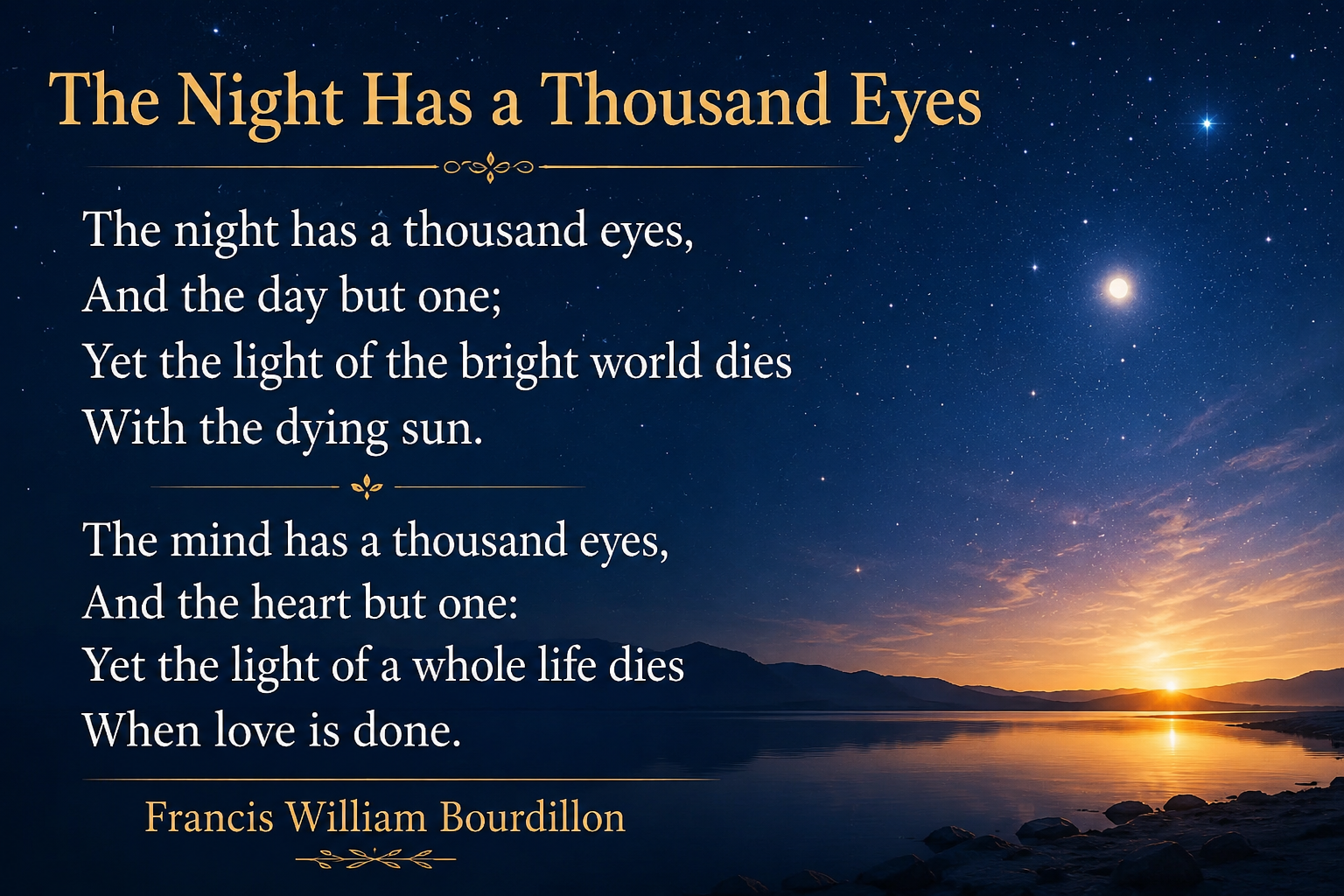
The Night Has a Thousand Eyes, by Francis William Bourdillon
Originally published June 2, 2020. Updated for 2026.
The Night Has a Thousand Eyes
By Francis William Bourdillon
The night has a thousand eyes,
And the day but one;
Yet the light of the bright world dies
With the dying sun.The mind has a thousand eyes,
And the heart but one:
Yet the light of a whole life dies
When love is done.
Although only eight lines long, "The Night Has a Thousand Eyes" is one of the most memorable poems ever written about the relationship between knowledge and love. Francis William Bourdillon uses simple images from nature to express a truth that many people spend a lifetime discovering: understanding alone is not enough. A meaningful life requires both the mind and the heart.
What Does "The Night Has a Thousand Eyes" Mean?
The poem begins with a contrast between the night sky and the daytime sky.
The night has a thousand eyes,
And the day but one.
The "thousand eyes" are the countless stars that fill the night sky. During the day, there is only one great source of light: the sun.
Even though the stars are many, they cannot replace the sun.
When the sun disappears, daylight ends.
This image prepares us for the deeper comparison in the second stanza.
The Mind Has a Thousand Eyes
Bourdillon shifts from the natural world to human experience.
The mind has a thousand eyes,
And the heart but one.
Our minds can observe, analyze, remember, and imagine almost endlessly. We gather facts, solve problems, and accumulate knowledge throughout our lives.
Yet the heart represents something different.
It symbolizes love, compassion, connection, and emotional meaning.
Just as one sun provides more light than thousands of stars, one genuine love can matter more than all the knowledge we possess.
Why the Final Lines Are So Powerful
The closing lines give the poem its emotional impact.
Yet the light of a whole life dies
When love is done.
Bourdillon is not suggesting that knowledge has no value. Rather, he reminds us that knowledge alone cannot sustain the human spirit.
People may achieve success, accumulate wealth, or become exceptionally intelligent, but if love disappears, life itself can feel dimmer.
The poem recognizes something deeply human:
We can survive without knowing everything.
We struggle to flourish without love.
Themes in the Poem
Several enduring themes explain why this brief poem continues to resonate.
The limits of knowledge. Intelligence helps us understand the world, but it cannot replace meaningful relationships.
The importance of love. Love gives purpose and significance to everything else we experience.
Quality over quantity. A thousand observations cannot equal one deeply meaningful connection.
Balance between reason and emotion. The healthiest life draws upon both the mind and the heart.
Why This Poem Still Matters
Modern life often rewards information, productivity, and achievement. We measure what we know far more easily than what we feel.
Bourdillon quietly reminds us that our greatest moments rarely come from information alone. They come from loving another person, being loved in return, and finding meaning in those relationships.
Knowledge helps us understand life.
Love helps us live it.
That simple insight explains why these eight lines have remained memorable for well over a century.
If you enjoy poems that invite reflection on meaning and the human experience, you may also enjoy:
I'm a Stranger Here: Meaning, Analysis, and the Poem by Louis L'Amour →
Originally published July 26, 2018. Updated for 2026.
I'm a Stranger Here
By Louis L'Amour
If I, between two suns, should go away,
No voice would lift to ask another why,
No word would question my retreat, nor sigh,
Nor wonder why I'd chosen not to stay;
For I am a stranger here, of other clay:
A guest within this house, a passerby-
A roving life whose theme has been "Goodbye"
A shadow on the road, a thing astray.What dim ancestral heritage is mine
That now awakens in my blood regret?
What destiny is this, what strange design,
That I must seek a haunting silhouette
In unremembered lands my dreams divine,
But cannot quite recall or quite forget?
What Does "I'm a Stranger Here" Mean?
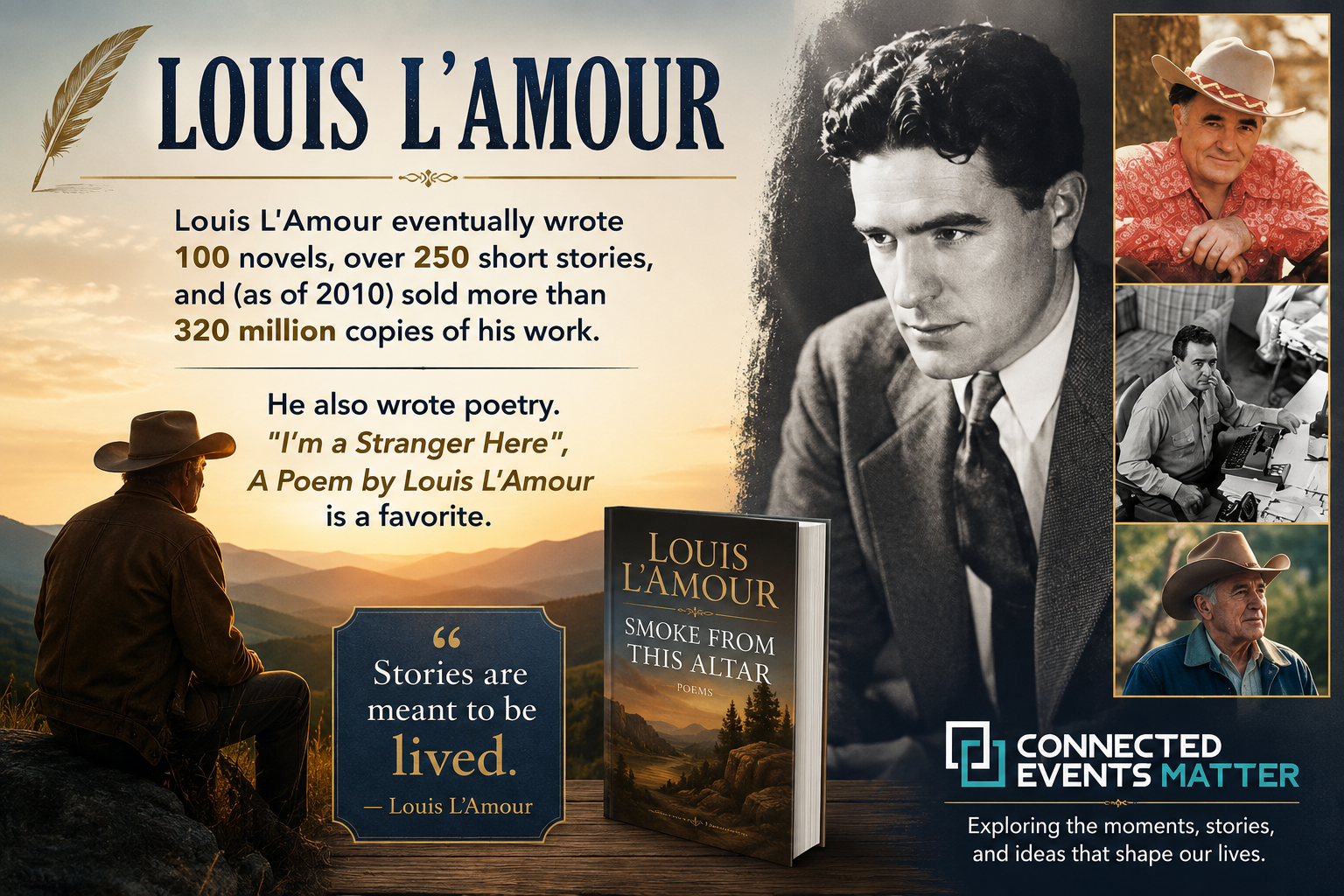
Most readers know Louis L'Amour for his Western novels, but he also wrote thoughtful poetry that explored identity, belonging, memory, and purpose. I'm a Stranger Here is one of his finest examples.
The poem expresses the feeling of being present in the world while never feeling entirely at home within it. The speaker describes himself as "a guest" and "a passerby," suggesting that life itself is temporary and that our deepest longings often point beyond what we can fully explain.
A Life of Wandering
The opening stanza presents the speaker as someone accustomed to moving on.
A roving life whose theme has been "Goodbye."
On one level, these words reflect L'Amour's own life. Before becoming a bestselling author, he worked a remarkable variety of jobs and traveled extensively throughout the United States and around the world.
On another level, the poem speaks to a universal experience. Many people feel like travelers through life, never quite settling, always searching for a place, a purpose, or a sense of belonging.
Memory, Heritage, and the Search for Home
The second stanza turns inward.
The speaker wonders whether something inherited from distant ancestors continues to call him toward places he has never known.
Questions replace certainty:
What heritage lives within us?
Why do some places feel strangely familiar?
Why do we sometimes long for something we cannot name?
Rather than answering these questions, L'Amour invites us to live with them.
Why the Poem Still Resonates
One reason this poem continues to speak to readers is that almost everyone experiences moments of feeling out of place.
A career changes.
Children leave home.
Retirement begins.
A loved one dies.
Life moves forward, yet something inside us continues searching for meaning.
L'Amour reminds us that this longing is not necessarily a weakness. It may simply be part of being human.
About Louis L'Amour's Poetry
Although Louis L'Amour became famous for his novels, he considered poetry an important part of his writing life. I'm a Stranger Here appeared in Smoke From This Altar, his first published book.
In her introduction to the collection, his daughter Kathy L'Amour wrote that her father possessed "the three things" necessary to become a poet: imagination, observation, and the ability to express both through language. That love of words is evident throughout this poem.
Final Reflection
I'm a Stranger Here reminds us that life's deepest questions often remain unanswered.
Where do we truly belong?
Why do certain places, memories, or moments seem to call to us?
Perhaps we are all, at times, strangers passing through this world, searching not only for a destination but for a deeper understanding of ourselves.
Aeschylus, Robert F. Kennedy, and the Awful Grace of God: Why Words Still Heal
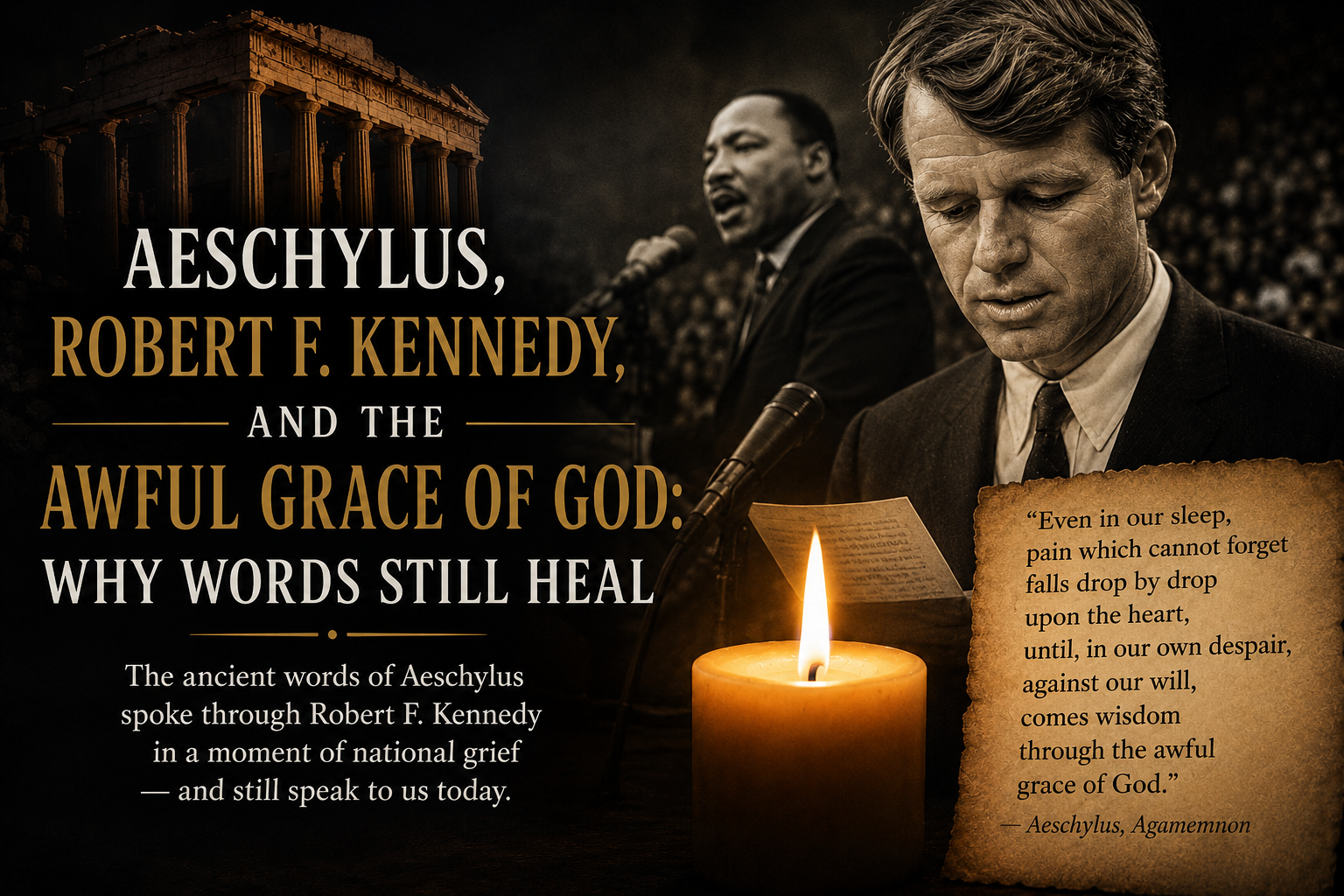
Aeschylus, Robert F. Kennedy, and the Awful Grace of God: Why Words Still Heal
Originally published February 2022 · Updated October 2025
“Even in our sleep, pain which cannot forget falls drop by drop upon the heart,
until, in our own despair, against our will,
comes wisdom through the awful grace of God.”
— Aeschylus, Agamemnon
Updated 2025 Reflection
More than fifty years after Robert F. Kennedy spoke these lines on the night of Dr. Martin Luther King Jr.’s death, the words of Aeschylus still echo with quiet urgency.
“Even in our sleep, pain which cannot forget…” reminds us that wisdom often arrives through suffering and that compassion can grow from shared grief.
In moments of division or uncertainty, poetry still offers what politics or argument rarely can — a language for our common humanity.
Each generation discovers, in its own heartbreak, that empathy is not weakness but a form of courage.
Robert F. Kennedy and the Power of Words
On April 4, 1968, Kennedy stood before a largely Black crowd in Indianapolis and announced the assassination of Dr. King. He had no prepared text.
Instead, he reached for poetry, for the language of an ancient playwright who understood that wisdom often comes “against our will.”
“What we need in the United States is not division;
what we need… is love, and wisdom, and compassion toward one another.”
In that dark moment, Kennedy reminded the nation that language can be an act of leadership.
He chose not to inflame, but to console. He quoted a voice from 2,000 years earlier to remind listeners that grief, though personal, can also be shared.
The same lines would later appear on his tombstone at Arlington National Cemetery — a final gesture toward words that helped him carry a nation’s sorrow.
About Aeschylus
Aeschylus was born around 525 BCE in Eleusis, northwest of Athens. He reportedly began writing after dreaming that the god Dionysus commanded him to bring tragedy to the stage.
Often called the father of tragedy, he wrote with a depth that continues to reach across millennia.
His surviving play Agamemnon explores how suffering shapes the moral conscience — that through pain and reflection, we may become wiser and more humane.
Why These Lines Still Matter
In moments of loss, words often fail, but sometimes they also hold us. That a 2,000-year-old verse could speak to the grief of 1968 and still resonate today shows poetry’s enduring role: not to erase pain, but to give it form.
When Kennedy turned to Aeschylus, he reminded us that our shared vocabulary of sorrow and hope is what allows societies to heal.
Even now, when headlines move too quickly for reflection, this passage invites us to pause:
to let the drops fall, to let the heart remember, and to find, within our own despair, a measure of grace.
The Wisdom We Never Ask For
None of us chooses suffering. We do, however, choose what happens after it.
Looking back over our lives, many of the moments that shaped us most were not victories but disappointments, losses, failures, illnesses, or unexpected turns. We would never have asked for them. Yet those experiences often changed how we understood ourselves and how we treated other people.
That may be why Aeschylus still speaks across twenty-five centuries. He wasn't celebrating pain. He was reminding us that suffering can become wisdom if we allow it to deepen our compassion rather than harden our hearts.
What does "the awful grace of God" mean?
Aeschylus suggests that wisdom often grows from suffering we never wanted. The phrase doesn't glorify pain. Instead, it reflects the idea that hardship can deepen compassion, humility, and understanding.
Perhaps the "awful grace of God" is not that suffering exists, but that even suffering can become part of what teaches us how to live
If this reflection resonated with you, you may also enjoy:
When You Feel Too Small to Matter
Why Life Stories Change
The Night Has a Thousand Eyes
If you're interested in essays exploring meaning, identity, literature, and the moments that quietly shape our lives, you can also subscribe to the What Matters Substack Newsletter , where I publish new reflections each week.
Still I Rise by Maya Angelou →
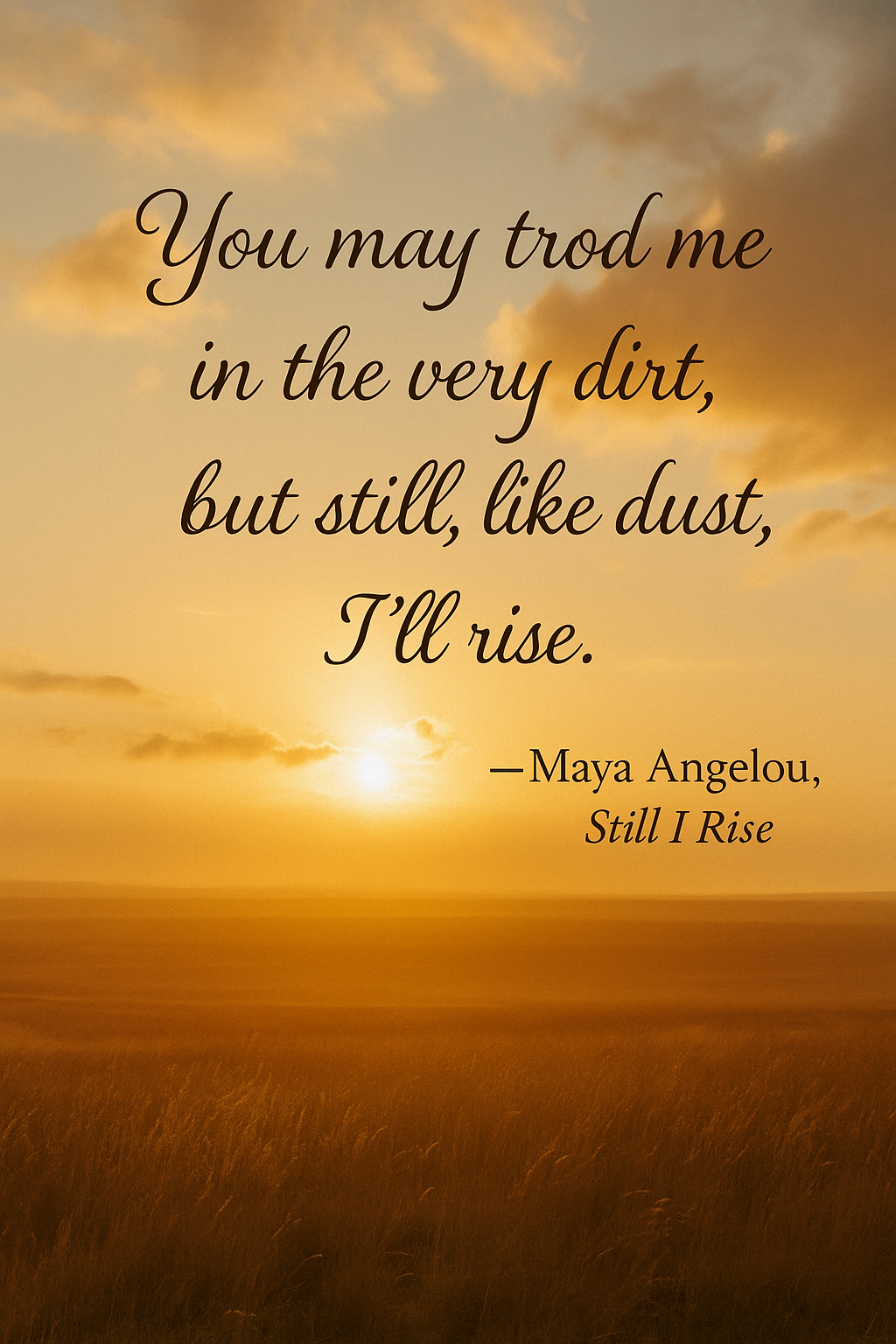
Still, We Rise
“You may trod me in the very dirt
But still, like dust, I’ll rise.”
—Maya Angelou, Still I Rise
Maya Angelou’s words continue to inspire resilience, dignity, and the quiet power of rising above.
This timeless poem reminds us that no matter the challenge, we have the strength to rise.
Angelou speaks from the perspective of someone who has been marginalized, wronged, and underestimated—especially as a Black woman in America—but refuses to let others define her worth or limit her spirit.
If you’ve never read the full poem—or haven’t read it in a while—you can find it here:
🔗 Read Still I Rise by Maya Angelou on Poetry Foundation
The Eagle by Lord Alfred Tennyson →

"He clasps the crag with hooked hands;
Close to the sun in lonely lands,
Ring'd with the azure world, he stands.
The wrinkled sea beneath him crawls;
He watches from his mountain walls,
And like a thunderbolt, he falls."
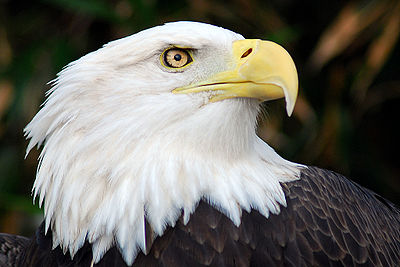
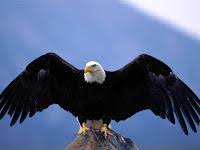

Review of "The Eagle’ by Lord Alfred Tennyson" --
There is a stillness in this poem before there is movement.
The eagle is not introduced in motion, but in position—held, elevated, and alone. The language places it above everything else, not just physically, but in perspective.
“Close to the sun in lonely lands.”
Power, in this sense, is not only height. It is distance.
From that height, everything below appears smaller. The sea does not move as it does to those within it—it “crawls.” Scale changes perception.
But the poem does not stay in stillness.
It ends in motion.
“And like a thunderbolt he falls.”
The shift is immediate. No transition, no hesitation. What was still becomes decisive.
That movement carries a kind of tension.
Height suggests control. Stillness suggests awareness. But the fall reminds us that position does not remove action, it precedes it.
The eagle is not only a symbol of strength. It reflects something more specific: the relationship between perspective and decision.
We often associate clarity with distance, stepping back, rising above, seeing more completely.
But clarity alone is not the conclusion.
At some point, there is movement.
And that movement is rarely gradual.
It arrives with the same suddenness the poem gives it.
The stillness matters. The height matters. The view matters.
But the moment of change is always something else.
It is not observation.
It is action.
I Have A Rendezvous With Death by Alan Seeger →
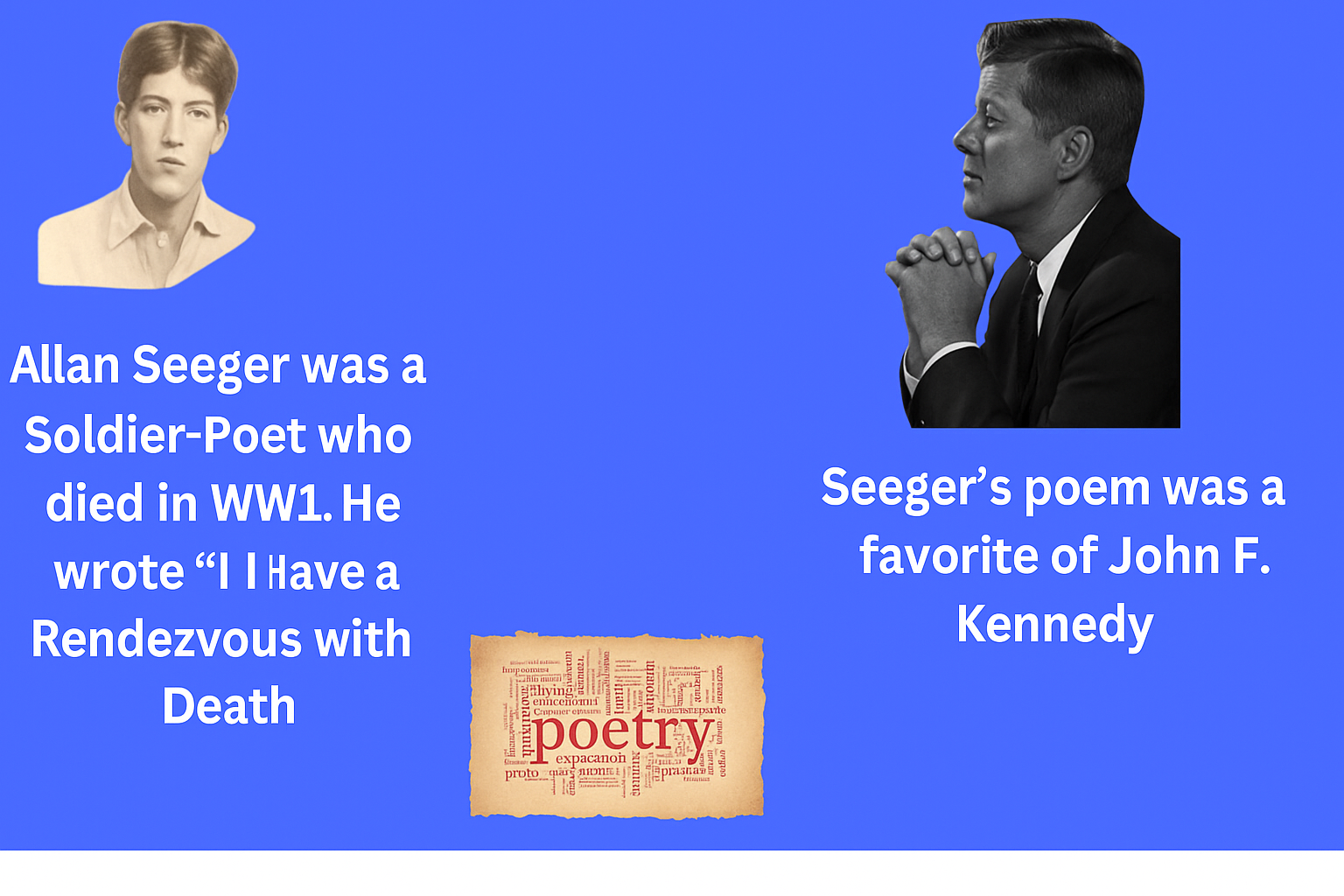
I have a rendezvous with Death
At some disputed barricade,
When Spring comes back with rustling shade
And apple-blossoms fill the air—
I have a rendezvous with Death
When Spring brings back blue days and fair.
It may be he shall take my hand
And lead me into his dark land
And close my eyes and quench my breath—
It may be I shall pass him still.
I have a rendezvous with Death
On some scarred slope of battered hill,
When Spring comes round again this year
And the first meadow-flowers appear.
God knows 'twere better to be deep
Pillowed in silk and scented down,
Where Love throbs out in blissful sleep,
Pulse nigh to pulse, and breath to breath,
Where hushed awakenings are dear ...
But I've a rendezvous with Death
At midnight in some flaming town,
When Spring trips north again this year,
And I to my pledged word am true,
I shall not fail that rendezvous.
Alan Seeger (June 22, 1888 – July 4, 1916) was an American war poet who fought with the French Foreign Legion and was killed in action during the Battle of the Somme in World War I.
His most famous work, “I Have a Rendezvous with Death,” was reportedly a favorite poem of President John F. Kennedy.
Good Timber by Douglas Malloch →

Good Timber by Douglas Malloch
The tree that never had to fight
For sun and sky and air and light,
But stood out in the open plain
And always got its share of rain,
Never became a forest king
But lived and died a scrubby thing.
The man who never had to toil
To gain and farm his patch of soil,
Who never had to win his share
Of sun and sky and light and air,
Never became a manly man
But lived and died as he began.
Good timber does not grow with ease:
The stronger wind, the stronger trees;
The further sky, the greater length;
The more the storm, the more the strength.
By sun and cold, by rain and snow,
In trees and men good timbers grow.
Where thickest lies the forest growth,
We find the patriarchs of both.
And they hold counsel with the stars
Whose broken branches show the scars
Of many winds and much of strife.
This is the common law of life.
A Psalm of Life by Henry Wadsworth Longfellow - with thoughts →

A Psalm of Life
Henry Wadsworth Longfellow - 1807-1882
What the Heart of the Young Man Said to the Psalmist
Tell me not, in mournful numbers,
"Life is but an empty dream!"
For the soul is dead that slumbers,
And things are not what they seem.
Life is real! Life is earnest!
And the grave is not its goal;
"Dust thou art, to dust returnest,"
Was not spoken of the soul.
Not enjoyment, and not sorrow,
Is our destined end or way;
But to act, that each to-morrow
Finds us farther than to-day.
Art is long, and Time is fleeting,
And our hearts, though stout and brave,
Still, like muffled drums, are beating
Funeral marches to the grave.
In the world's broad field of battle,
In the bivouac of Life,
Be not like dumb, driven cattle!
Be a hero in the strife!
Trust no Future, howe'er pleasant!
Let the dead Past bury its dead!
Act,--act in the living Present!
Heart within, and God o'erhead!
Lives of great men all remind us
We can make our lives sublime,
And, departing, leave behind us
Footprints on the sands of time;
Footprints, that perhaps another,
Sailing o'er life's solemn main,
A forlorn and shipwrecked brother,
Seeing shall take heart again.
Let us, then, be up and doing,
With a heart for any fate;
Still achieving, still pursuing
Learn to labor and to wait
Thoughts about this Poem
This poem describes the purpose of life and how one should handle the sorrow and struggles along the way. The poem begins with the speaker contradicting a listener who wants to explain life to him as a matter of numbers and figures. It reminds me of "The Winds of Fate” by Ella Wheeler Wilcox
One ship drives East and another West,
With the self-same winds that blow.
’Tis the set of the sail, and not the gale,
Which tells us the way to go.
Both poems tell us,. “Life is real! Life is earnest!” it is up to us how we let the winds of life influence and direct us.
Both poems inspired me as I wrote the book, “Work Matters: Insights and Strategies for Job Seekers in this Rapidly Changing Economy

“The Hill We Climb” - Amanda Gorman

When day comes we ask ourselves, where can we find light in this neverending shade? The loss we carry, a sea we must wade. We’ve braved the belly of the beast, we’ve learned that quiet isn’t always peace and the norms and notions of what just is, isn’t always justice. And yet the dawn is ours before we knew it, somehow we do it, somehow we’ve weathered and witnessed a nation that isn’t broken but simply unfinished.
We, the successors of a country and a time where a skinny black girl descended from slaves and raised by a single mother can dream of becoming president only to find herself reciting for one. And, yes, we are far from polished, far from pristine, but that doesn’t mean we are striving to form a union that is perfect, we are striving to forge a union with purpose, to compose a country committed to all cultures, colors, characters and conditions of man.
So we lift our gazes not to what stands between us, but what stands before us. We close the divide because we know to put our future first, we must first put our differences aside. We lay down our arms so we can reach out our arms to one another, we seek harm to none and harmony for all.
Let the globe, if nothing else, say this is true: that even as we grieved, we grew, even as we hurt, we hoped, that even as we tired, we tried, that we’ll forever be tied together victorious, not because we will never again know defeat but because we will never again sow division.
Scripture tells us to envision that everyone shall sit under their own vine and fig tree and no one should make them afraid. If we’re to live up to our own time, then victory won’t lie in the blade, but in in all of the bridges we’ve made.
That is the promise to glade, the hill we climb if only we dare it because being American is more than a pride we inherit, it’s the past we step into and how we repair it. We’ve seen a force that would shatter our nation rather than share it. That would destroy our country if it meant delaying democracy, and this effort very nearly succeeded. But while democracy can periodically be delayed, but it can never be permanently defeated.
In this truth, in this faith, we trust, for while we have our eyes on the future, history has its eyes on us, this is the era of just redemption we feared in its inception we did not feel prepared to be the heirs of such a terrifying hour but within it we found the power to author a new chapter, to offer hope and laughter to ourselves, so while once we asked how can we possibly prevail over catastrophe, now we assert how could catastrophe possibly prevail over us.
We will not march back to what was but move to what shall be, a country that is bruised but whole, benevolent but bold, fierce and free, we will not be turned around or interrupted by intimidation because we know our inaction and inertia will be the inheritance of the next generation, our blunders become their burden. But one thing is certain: if we merge mercy with might and might with right, then love becomes our legacy and change our children’s birthright.
So let us leave behind a country better than the one we were left, with every breath from my bronze, pounded chest, we will raise this wounded world into a wondrous one, we will rise from the golden hills of the West, we will rise from the windswept Northeast where our forefathers first realized revolution, we will rise from the lake-rimmed cities of the Midwestern states, we will rise from the sunbaked South, we will rebuild, reconcile, and recover in every known nook of our nation in every corner called our country our people diverse and beautiful will emerge battered and beautiful, when the day comes we step out of the shade aflame and unafraid, the new dawn blooms as we free it, for there is always light if only we’re brave enough to see it, if only we’re brave enough to be it.
“Hope” is the Thing With Feathers, by Emily Dickinson" →

“Hope” is the Thing With feathers
BY EMILY DICKINSON
“Hope” is the thing with feathers -
That perches in the soul -
And sings the tune without the words -
And never stops - at all -
And sweetest - in the Gale - is heard -
And sore must be the storm -
That could abash the little Bird
That kept so many warm -
I’ve heard it in the chillest land -
And on the strangest Sea -
Yet - never - in Extremity,
It asked a crumb of me.
……………………
About this Poem
"'Hope' is the Thing with Feathers" reminds us that hope lives inside us all. We are never alone in tribulation, as hope is there, singing the voice of encouragement.
Serving as a metaphor, it likens the concept of hope to a feathered bird permanently perched in every human's soul.
The symbol of the bird as hope works well in part because the bird is free and self-reliant and also a symbol of spirituality
Mettallica's Enter Sandman: Are these lyrics poetry? →

Words to the song, “Enter Sandman”. Perhaps unexpected with the rythm of the song? Perhaps an intreging blend of thoughts? Perhaps no appropriate? Perhaps just fine?
Say your prayers, little one, don't forget, my son
To include everyone
I tuck you in, warm within, keep you free from sin
'Til the Sandman, he comesSleep with one eye open
Gripping your pillow tightExit light
Enter night
Take my hand
We're off to never-never landSomething's wrong, shut the light, heavy thoughts tonight
And they aren't of Snow White
Dreams of war, dreams of liars, dreams of dragons' fire
And of things that will bite, yeahSleep with one eye open
Gripping your pillow tightExit light
Enter night
Take my hand
We're off to never-never land
Yeah-yeahNow, I lay me down to sleep (now, I lay me down to sleep)
Pray the Lord my soul to keep (pray the Lord my soul to keep)
If I die before I wake (if I die before I wake)
Pray the Lord my soul to take (pray the Lord my soul to take)
Hush, little baby, don't say a word
And never mind that noise you heard
It's just the beast under your bed
In your closet, in your headExit light
Enter night
Grain of sandExit light
Enter night
Take my hand
We're off to never-never land (yeah)Oh! Yeah-yeah, no
We're off to never-never land
Take my hand
We're off to never-never land
Take my hand
We're off to never-never land
We're off to never-never land
We're off to never-never land
We're off to never-never land
The Hill We Climb Poem by Amanda Gorman →

And yet the dawn is ours
before we knew it.
Somehow we do it.
Somehow we've weathered and witnessed
a nation that isn't broken,
but simply unfinished.
We the successors of a country and a time
where a skinny Black girl
descended from slaves and raised by a single mother
can dream of becoming president
only to find herself reciting for one.
And yes we are far from polished.
Far from pristine.
But that doesn't mean we are
striving to form a union that is perfect.
We are striving to forge a union with purpose,
to compose a country committed to all cultures, colors, characters and
conditions of man.
And so we lift our gazes not to what stands between us,
but what stands before us.
We close the divide because we know, to put our future first,
we must first put our differences aside.
We lay down our arms
so we can reach out our arms
to one another.
We seek harm to none and harmony for all.
Let the globe, if nothing else, say this is true,
that even as we grieved, we grew,
that even as we hurt, we hoped,
that even as we tired, we tried,
that we'll forever be tied together, victorious.
Not because we will never again know defeat,
but because we will never again sow division.
Scripture tells us to envision
that everyone shall sit under their own vine and fig tree
and no one shall make them afraid.
If we're to live up to our own time,
then victory won't lie in the blade.
But in all the bridges we've made,
that is the promise to glade,
the hill we climb.
If only we dare.
It's because being American is more than a pride we inherit,
it's the past we step into
and how we repair it.
We've seen a force that would shatter our nation
rather than share it.
Would destroy our country if it meant delaying democracy.
And this effort very nearly succeeded.
But while democracy can be periodically delayed,
it can never be permanently defeated.
In this truth,
in this faith we trust.
For while we have our eyes on the future,
history has its eyes on us.
This is the era of just redemption
we feared at its inception.
We did not feel prepared to be the heirs
of such a terrifying hour
but within it we found the power
to author a new chapter.
To offer hope and laughter to ourselves.
So while once we asked,
how could we possibly prevail over catastrophe?
Now we assert,
How could catastrophe possibly prevail over us?
We will not march back to what was,
but move to what shall be.
A country that is bruised but whole,
benevolent but bold,
fierce and free.
We will not be turned around
or interrupted by intimidation,
because we know our inaction and inertia
will be the inheritance of the next generation.
Our blunders become their burdens.
But one thing is certain,
If we merge mercy with might,
and might with right,
then love becomes our legacy,
and change our children's birthright.
So let us leave behind a country
better than the one we were left with.
Every breath from my bronze-pounded chest,
we will raise this wounded world into a wondrous one.
We will rise from the gold-limbed hills of the west.
We will rise from the windswept northeast,
where our forefathers first realized revolution.
We will rise from the lake-rimmed cities of the midwestern states.
We will rise from the sunbaked south.
We will rebuild, reconcile and recover.
And every known nook of our nation and
every corner called our country,
our people diverse and beautiful will emerge,
battered and beautiful.
When day comes we step out of the shade,
aflame and unafraid,
the new dawn blooms as we free it.
For there is always light,
if only we're brave enough to see it.
If only we're brave enough to be it.
Aeschylus was quoted by Robert Kennedy at Martin Luther King, Jr's death

“What we need in the United States is not division; what we need in the United States is not hatred; what we need in the United States is not violence and lawlessness, but is love, and wisdom, and compassion toward one another, and a feeling of justice toward those who still suffer within our country, whether they be white or whether they be black.”
The quote appears in Robert F. Kennedy’s impromptu speech delivered in Indianapolis, Indiana, on the evening of April 4, 1968, after the assassination of Martin Luther King, Jr. (JFK Library and Museum, and The Library of Congress)
In the John F. Kennedy Library’s archive, it’s part of his “Statement on Assassination of Martin Luther King, Jr., Indianapolis, Indiana, April 4, 1968.” JFK Library and Museum
The full line is included in published transcripts such as Voices of Democracy under “Kennedy Speech Text Rally in Indianapolis.” Voices of Democracy
Wikipedia also cites it in its article on “Robert F. Kennedy’s speech on the assassination of Martin Luther King Jr.” as one of his best known lines.
“Even in our sleep, pain which cannot forget
falls drop by drop upon the heart,
until, in our own despair,
against our will,
comes wisdom
through the awful grace of God.”
Thoughts about this Poem
Robert F. Kennedy also quoted these lines from the poem in his impromptu speech announcing the assassination of Martin Luther King Jr. on April 4, 1968. That moment—raw, unrehearsed, and spoken from the heart—remains one of the most powerful examples of public grief met with quiet strength.
The same lines were later inscribed on Kennedy’s tombstone at Arlington National Cemetery. He once said, “My favorite poet was Aeschylus.” In turning to poetry during one of the nation’s darkest moments, Kennedy reminded us that words—even ancient ones—can still speak into the present.
About Aeschylus
Few reliable sources exist for the life of Aeschylus. He was born around 525 BCE in Eleusis, a town northwest of Athens. As a young man, he worked in a vineyard until, according to tradition, the god Dionysus appeared to him in a dream and inspired him to write for the stage.
At just 26, Aeschylus had his first play performed (499 BCE). Fifteen years later, he won his first prize at the Dionysia festival, Athens’ most prestigious playwriting competition. Often regarded as the father of tragedy, Aeschylus wrote with a depth and weight that transcends centuries. The lines Kennedy quoted come from one of his surviving works, Agamemnon—a meditation on suffering, wisdom, and the human condition.
Why These Lines Still Matter
In moments of loss, words often fail. But sometimes, they also hold us. The fact that a 2,000-year-old line could resonate with the grief of 1968—and still echo today—speaks to poetry’s enduring role: not to solve pain, but to give it shape.
Why I am excited about Amanda Gorman's new book "Call Us What We Carry" →

Inaugural Youth Poet Laureate Amanda Gorman’s poem from the 2021 Inauguration, Call Us What We Carry, was formerly titled The Hill We Climb and Other Poems.
The poem, “The Hill We Climb,” is the moving poem she read at the inauguration of the 46th President of the United States, Joe Biden. Gorman was born March 7th, 1998 and her stunning performance signals an exiting future for her poetry style and a new voice of influence.
Press releases have referred to this book as a “remarkable new collection reveals an energizing and unforgettable voice in American poetry bursting with musical language and exploring themes of identity, grief, and memory”.
Not everyone loves or even likes good poetry. Personally I love good poetry and Gorman’s style is exciting. Her choice of words bring strong focus to her subject and the rhythm and cadence drive the message. You can hear her voice even as you just read the words.

Is Bob Dylan's song Blowin in the Wind (Series of Dreams) Poetry or just a song? →

It is by no means an irrational fancy that, in a future existence, we shall look upon what we think our present existence, as a dream. —Edgar Allan Poe
Dylan’s wrote the words in this song but the question is whether it is a poem or a song? The words work together, not alone. The words make their own music but to focus only on the words isn’t enough.
Poetry is literature that evokes imaginative awareness of experience or a specific emotional response through language chosen and arranged for its meaning, sound, and rhythm.

Series of Dreams
(is it a poem or a song?)
I was thinking of a series of dreams
Where nothing comes up to the top.
Everything stays down where it's wounded
And comes to a permanent stop.
Wasn't thinking of anything specific,
Like in a dream, when someone wakes up and screams.
Nothing truly very scientific,
Just thinking of a series of dreams.
Thinking of a series of dreams
Where the time and the tempo drag,
And there's no exit in any direction
'Cept the one that you can't see with your eyes.
Wasn't making any great connections, Wasn't falling for any intricate schemes.
Nothing that would pass inspection,
Just thinking of a series of dreams.
Dreams where the umbrella is folded, And into the path you are hurled,
And the cards are no good that you're holding
Unless they're from another world.

Click to hear Bob Dylan’s song, Series of Dreams
A Dream Within A Dream, by Edgar Allan Poe →

A Dream Within a Dream
by Edgar Allan Poe
Take this kiss upon the brow!
And, in parting from you now,
Thus much let me avow —
You are not wrong; who deem
That my days have been a dream;
Yet if hope has flown away
In a night, or in a day,
In a vision, or in none,
Is it therefore the less gone?
All that we see or seem
Is but a dream within a dream.
I stand amid the roar
Of a surf-tormented shore,
And I hold within my hand
Grains of the golden sand —
How few! yet how they creep
Through my fingers to the deep,
While I weep — while I weep!
O God! Can I not grasp
Them with a tighter clasp?
O God! can I not save
One from the pitiless wave?
Is all that we see or seem
But a dream within a dream?
Analysis of Poem
By “a dream within a dream”, Poe describes that neither one of those dreams is more real than the other. He adds and implies that in life all we see, or seem to see, is nothing more than a dream within a dream.
The overall message is the poet’s doubt and uncertainty about the nature of reality. He questions whether life itself is just an illusion, trying to understand his own life’s path.
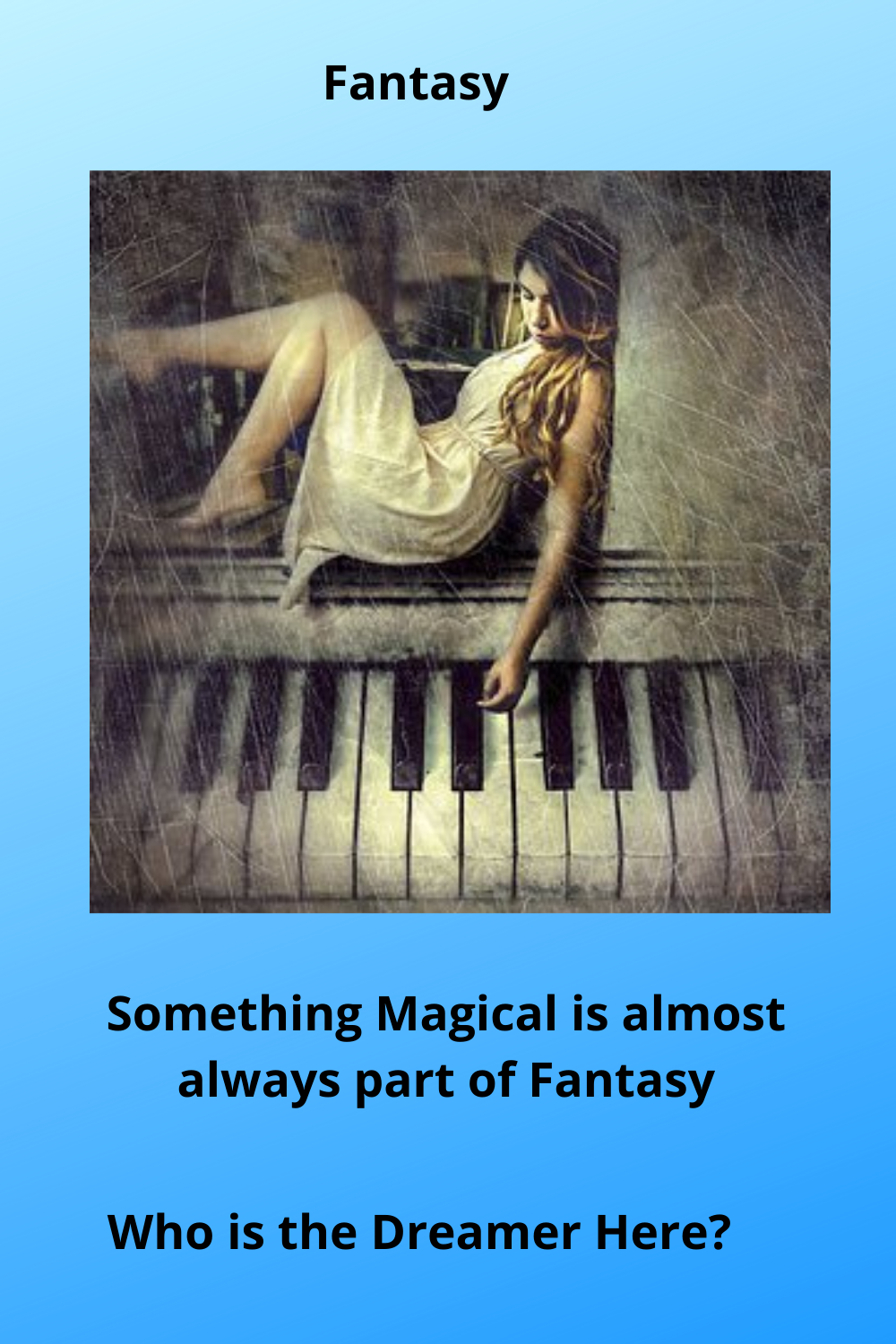
This picture should be labeled fantasy and seems to be a dream within a dream.
A Psalm of Life by Henry Wadsworth Longfellow →

This poem describes the purpose of life, and how one should handle the sorrow and struggles along the way. The phrase “Life is real! Life is earnest” suggests that the intent is to look ahead an offer help rather than back in remorse. I wrote about how this poem and Ella Wheeler Wilcox’s poem, “The Winds of Fate”, both influences me in an unexpected way. As I worked with so many job seekers helping them to find jobs I felt as the poem mentions, “ things are not what they seem” and the power of this final stanza:
Let us, then, be up and doing,
With a heart for any fate;
Still achieving, still pursuing
Learn to labor and to wait.Both of the poems influenced me to write a non fiction book: Work Matters: Insights and Strategies for Job Seekers in this Rapidly Changing Economy
A Psalm of Life
Henry Wadsworth Longfellow - 1807-1882
What the Heart of the Young Man Said to the Psalmist
Tell me not, in mournful numbers,
Life is but an empty dream!
For the soul is dead that slumbers,
And things are not what they seem.
Life is real! Life is earnest!
And the grave is not its goal;
"Dust thou art, to dust returnest,"
Was not spoken of the soul.
Not enjoyment, and not sorrow,
Is our destined end or way;
But to act, that each to-morrow
Finds us farther than to-day.
Art is long, and Time is fleeting,
And our hearts, though stout and brave,
Still, like muffled drums, are beating
Funeral marches to the grave.
In the world's broad field of battle,
In the bivouac of Life,
Be not like dumb, driven cattle!
Be a hero in the strife!
Trust no Future, howe'er pleasant!
Let the dead Past bury its dead!
Act,--act in the living Present!
Heart within, and God o'erhead!
Lives of great men all remind us
We can make our lives sublime,
And, departing, leave behind us
Footprints on the sands of time;
Footprints, that perhaps another,
Sailing o'er life's solemn main,
A forlorn and shipwrecked brother,
Seeing, shall take heart again.
Let us, then, be up and doing,
With a heart for any fate;
Still achieving, still pursuing
Learn to labor and to wait.
*See the post on “Winds of Fate”
Does Poetry inspire Non Fiction? →

Poetry Can Inspire and Shape Feelings and Emotions That can Lead to Nonfiction
Poetry shows the Poet’s feelings and emotions, and in that sense, it is nonfiction. The reader may connect with the implied feelings and emotions as well as the message in the words. That connection can lead to expression by the reader that could be either nonfiction or fiction.
These poems describe the purpose of life and how one should handle the sorrow and struggles along the way. The poem begins with the speaker contradicting a listener who wants to explain life to him as a matter of numbers and figures. It reminds me of:

"The Winds of Fate” by Ella Wheeler Wilcox.
One ship drives east and another west,
With the self-same winds that blow.
’Tis the set of the sail, and not the gale,
Which tells us the way to go.
Both poems tell us, “Life is real! Life is earnest!” it is up to us how we let the winds of life influence and direct us. Both poems inspired me as I wrote the book, “Work Matters: Insights and Strategies for Job Seekers in this Rapidly Changing Economy.”
A Psalm of Life
Henry Wadsworth Longfellow - 1807-1882
