
Some lines stay with us long after we’ve forgotten the plot that carried them.
We may not remember when we first encountered them, or why they appeared at just that moment, but they linger. They resurface years later in conversations, classrooms, essays, or quiet thoughts. Not because they are clever, but because they name something we recognize in ourselves.
This section begins with a simple question: why do certain lines endure?
Literature doesn’t persist because it offers answers. It lasts because it creates space for meaning, space we return to as our lives change.
A line that once felt abstract can become painfully clear years later. Another that once felt definitive may loosen with time. The words don’t change. We do.
This is where meaning lives, not in explanation, but in recognition.
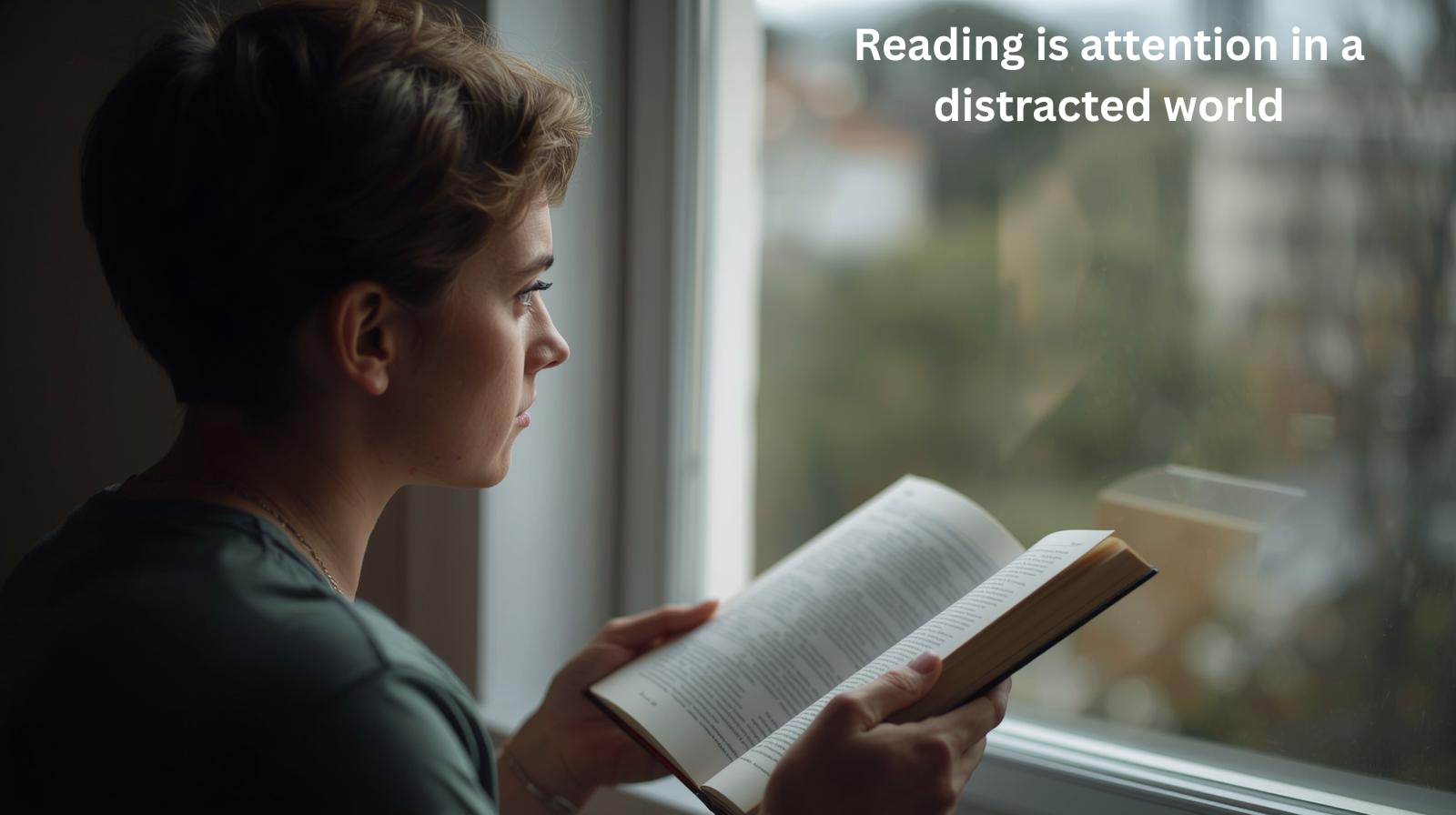
When we return to literature, we aren’t looking for instruction. We’re looking for ourselves, older, changed, more complicated than we were before. A familiar line becomes unfamiliar again. Or suddenly precise. Or quietly unsettling.
That shift isn’t a failure of interpretation. It’s evidence that interpretation is alive.
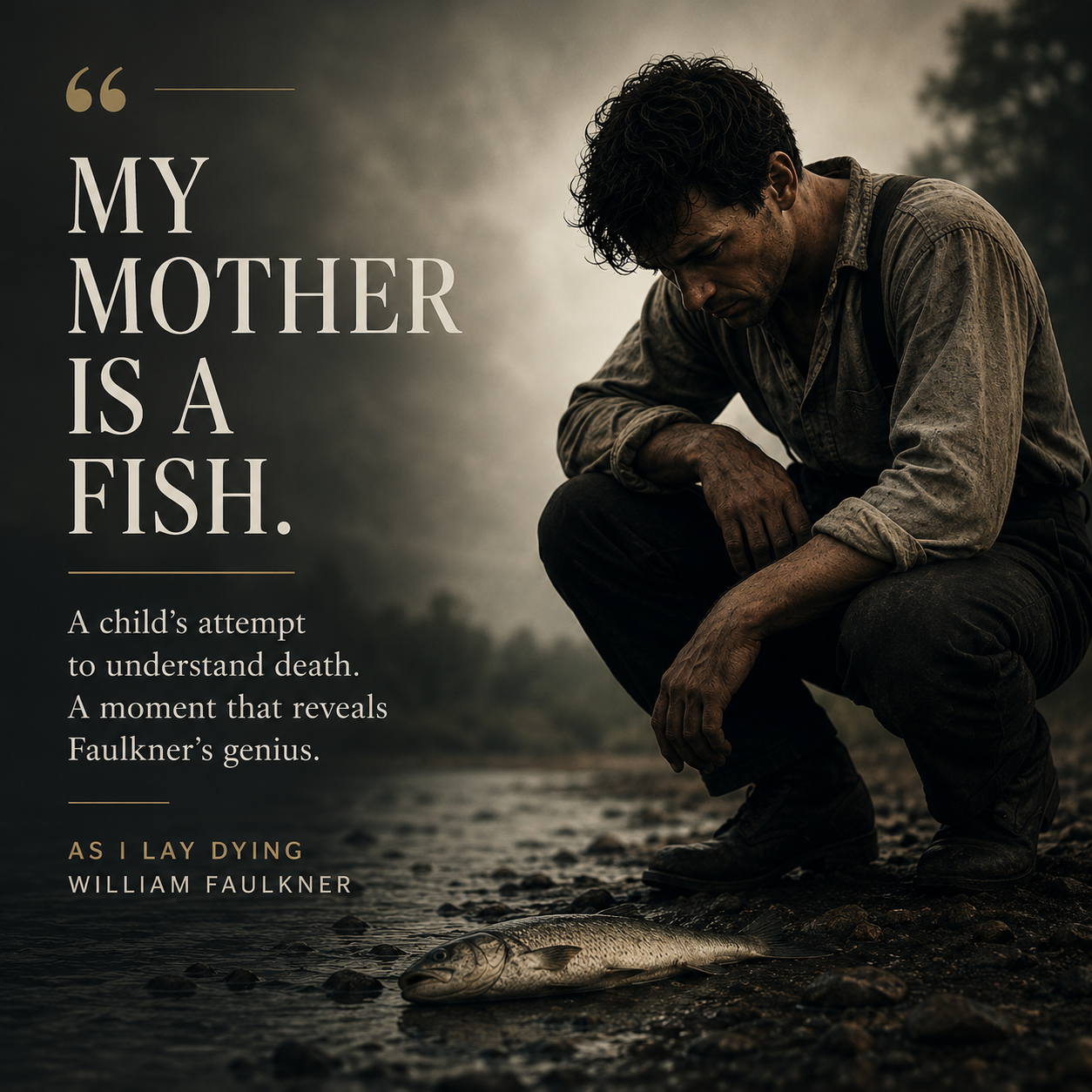
When William Faulkner wrote, “My mother is a fish,” he wasn’t offering clarity. He was naming a fracture, how language strains under grief, memory, and identity. The line unsettles because it refuses to explain itself. It leaves room for the reader to feel what cannot be resolved.
When Aeschylus wrote that wisdom comes through suffering, he wasn’t making a promise. He was acknowledging a pattern, one that readers have recognized across centuries, cultures, and personal histories. The words endure not because they comfort us, but because they remain true in ways we continue to test.
These lines persist because they meet us where certainty fails.
Literature doesn’t tell us what to think. It reminds us what it feels like to think.
Literature & Meaning is a place to pause with words that have endured, not to resolve them, but to sit with what they continue to stir.
Great literature changes because we change. The same words reveal different meanings at different stages of life, much like the stories we tell ourselves about our own lives.