Exploring the unexpected connections that shape our lives
Book Reviews, Comments & Stories, Quotes, & Poetry & More
"Connections and Why They Matter"
Most of what happens in our life will spark a connection. Life connects with what has been found in books. Books connect with what happens in life. Use the connections to help you see more clearly. A love of reading and writing is what motivated the creation of this blog. Thank you for coming to the blog.
There is no story I know more intimately than my own.
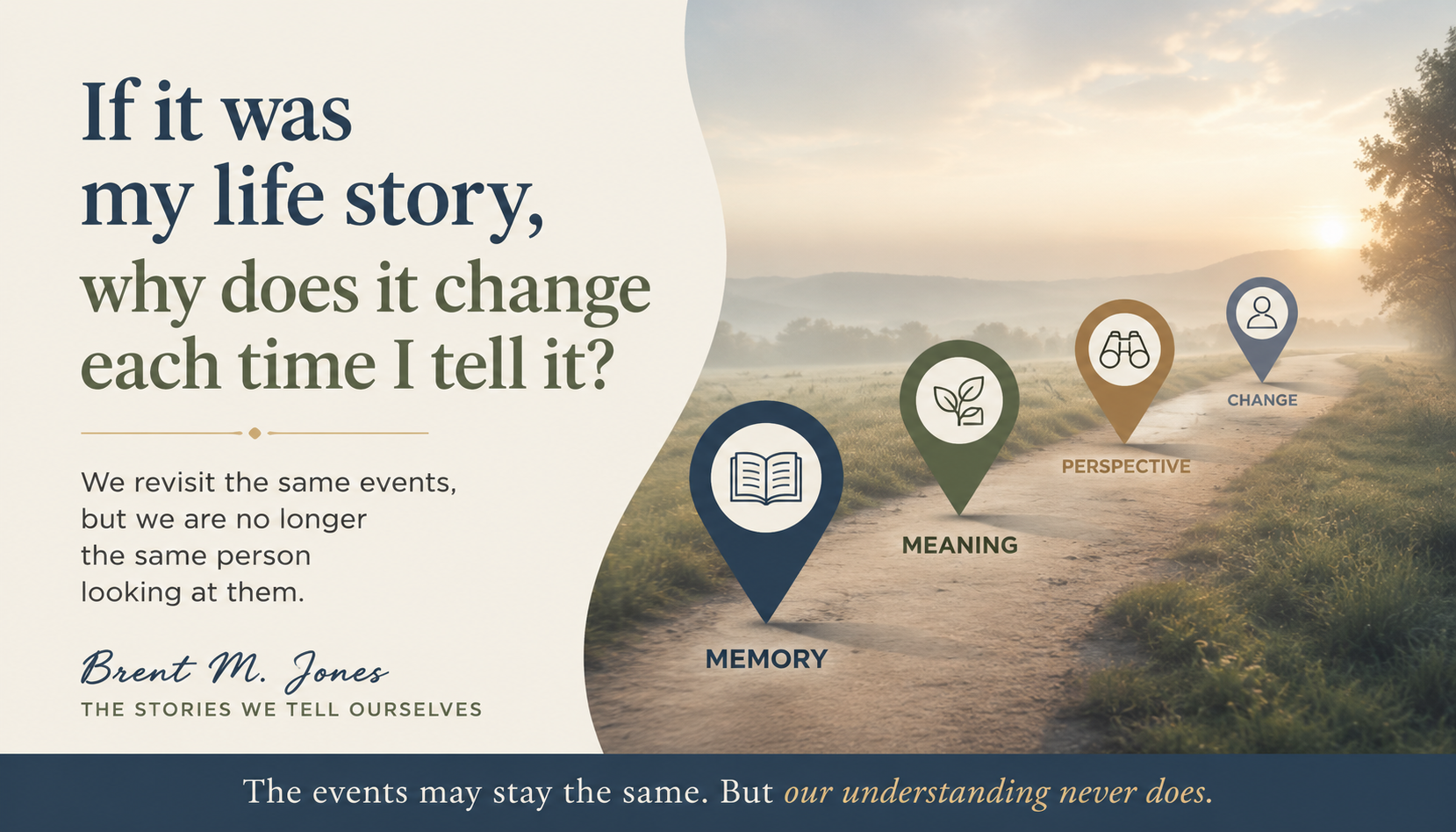
And yet, every time I tell it, something changes.
The facts may remain the same, but the meaning shifts. Details that once felt central begin to fade. Connections I never noticed before suddenly seem obvious. Events that once appeared random begin to reveal a pattern I could not see at the time.
As we grow older, we discover that memory is not fixed. We revisit the past from a different emotional and intellectual place. The story changes because we chang
That realization has shaped much of what I have written about reinvention, communication, identity, and perspective. We do not simply remember our lives. We interpret them. And each new interpretation quietly reshapes who we become.
Author Pat Conroy once wrote:
“The most powerful words in the English language are: Tell me a story.”
Over the years, I witnessed this idea in a men’s group at my local church. For more than three decades, the group met monthly, and during each gathering one person would spend about forty-five minutes telling the story of his life.
The original purpose was simple. We believed that men often struggle to connect deeply and honestly with one another. Sharing our stories became a way to build trust, understanding, and friendship.
As time passed, newer members joined while others moved away. Eventually, some of us began repeating our stories years later. What fascinated me was not how much the stories remained the same, but how differently people understood them.
The events themselves were familiar, but the meaning attached to them often shifted. Experiences once described with disappointment were later described with gratitude. Painful moments sometimes became turning points. Relationships that once seemed ordinary later appeared deeply influential.
I began to realize that when people retold their stories, they were not simply recalling the past. They were discovering new ways of understanding it.
Sometimes the act of telling the story created the insight itself. By speaking the story aloud, connections became visible that had not been fully understood before. The story evolved because the person telling it had evolved.
We all do this.
People come into our lives, influence us, and move on. At the time, we often interpret those moments as coincidence or temporary circumstance. Only later do we begin to understand how much certain people, conversations, failures, or opportunities shaped us.
When we look back, the past can appear entirely different—not because the events changed, but because we now see them through the lens of experience.
That may be one of the quiet truths about being human:
We spend much of our lives becoming the person who can finally understand the story we have already lived.
Perhaps that is why our life story never truly ends. Even when the events remain unchanged, their meaning continues to evolve. Looking back is not about rewriting the past. It is about seeing it more clearly. And each new understanding quietly becomes part of the person we are still becoming.
For years, I assumed our life stories changed because we consciously rewrote them.
Now I believe something different.
The events themselves rarely change. The facts remain where they have always been. What changes is the person looking back at them.
Think about a conversation, a failure, or a relationship you understand differently today than you did ten years ago. The event stayed the same. Your understanding did not.
A childhood memory that once seemed insignificant can suddenly become one of the defining moments of your life. A disappointment that once felt permanent may eventually reveal an unexpected gift. A person you blamed for years may become someone you finally understand with compassion instead of regret.
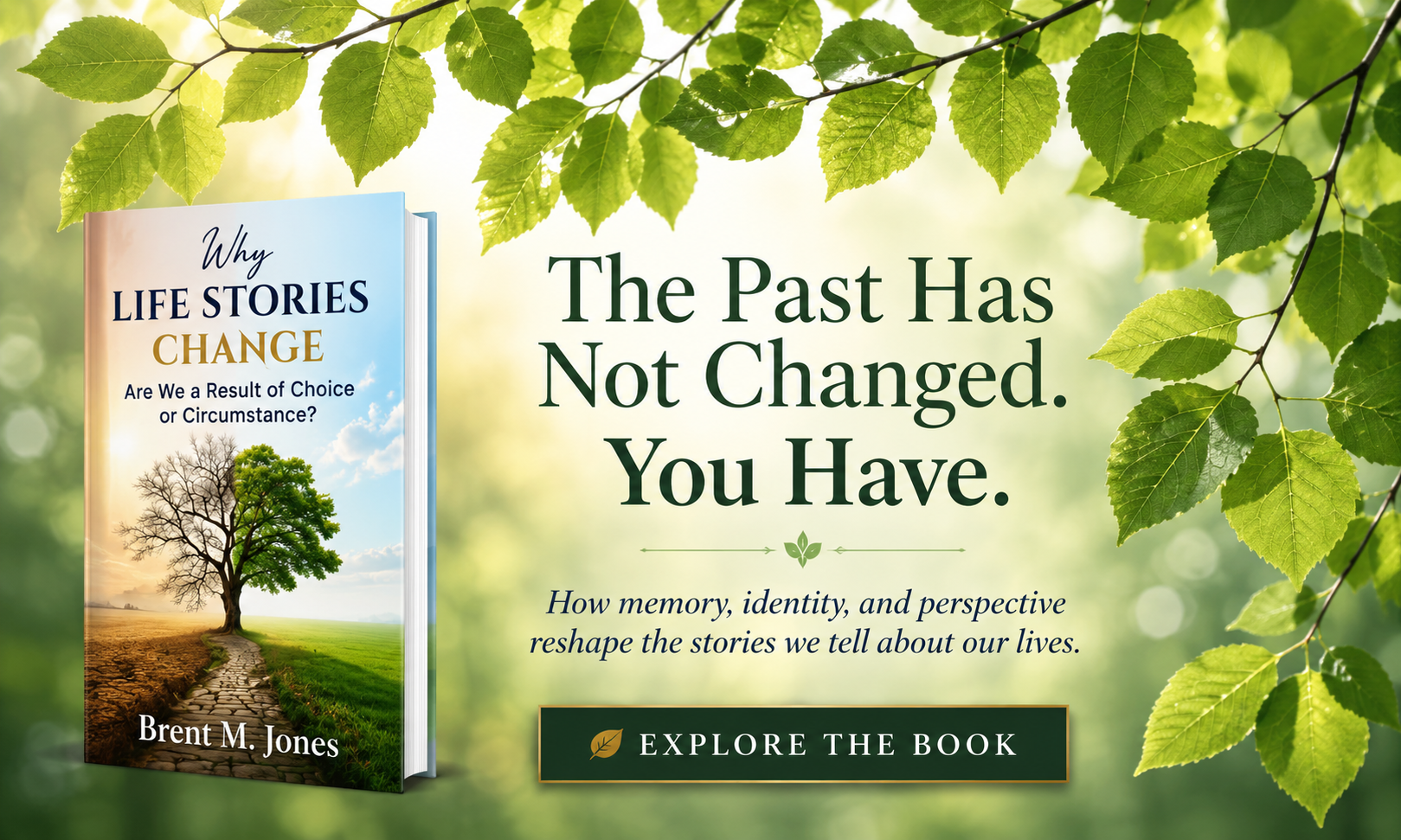
The past has not changed.
You have.
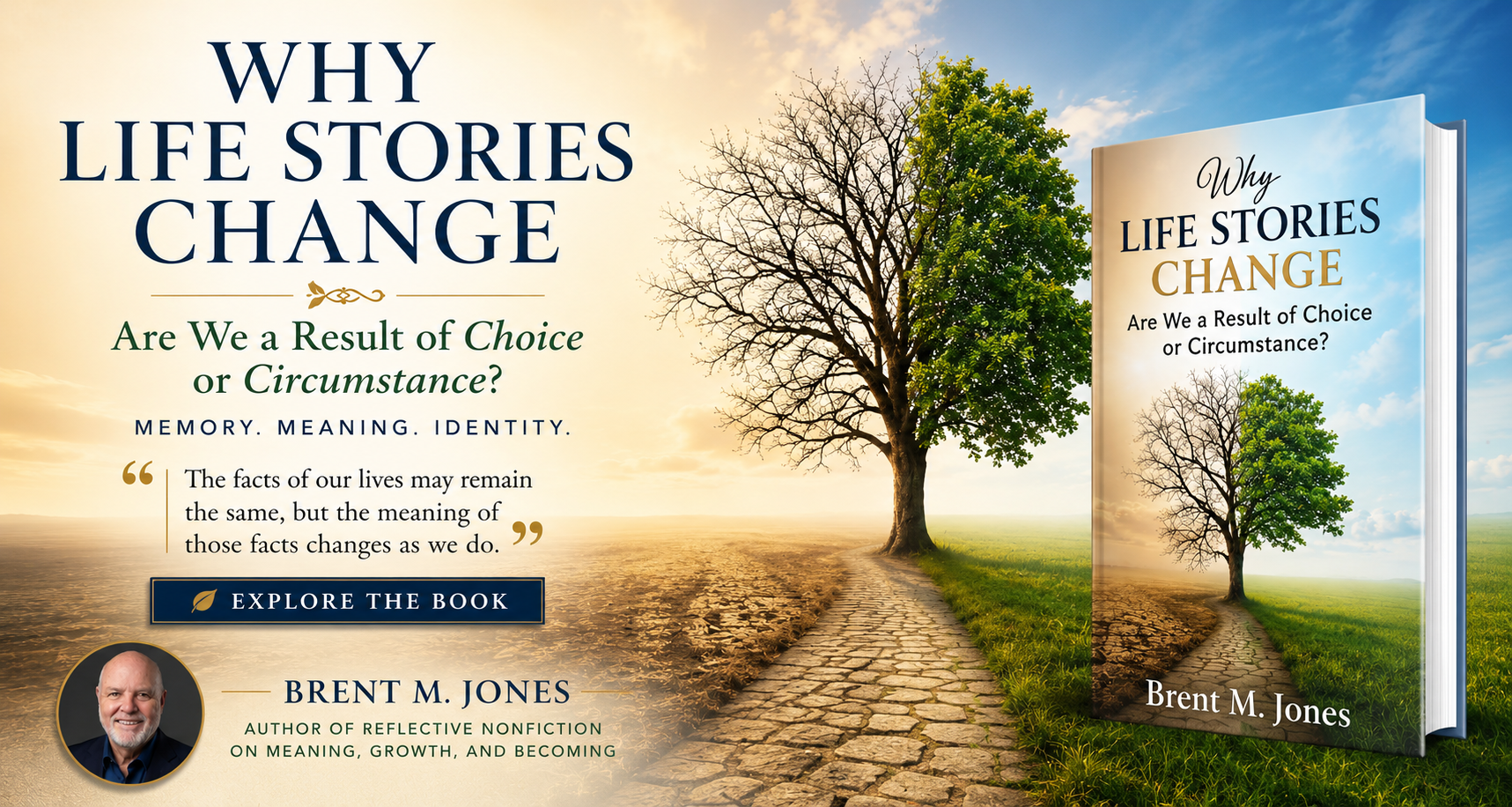
That realization became the foundation of Why Life Stories Change.
The book began with a question many of us eventually ask:
Are we primarily the result of choice or circumstance?
At first, the question seems straightforward. Some people emphasize personal responsibility and the choices we make. Others point to luck, timing, family, opportunity, and circumstances beyond our control.
The longer I considered the question, however, the less interested I became in choosing one side.
Perhaps our lives are shaped by both.
More importantly, perhaps the meaning we assign to those influences continues to evolve throughout our lives.
Memory is not a perfect recording of the past. It is part archive and part interpretation. Every new experience gives us another lens through which to view what has already happened. We revisit old events and discover meanings we simply could not have seen before.
That is not a flaw in memory.
It is one of its greatest gifts.
As we grow older, we often become less interested in defending a fixed version of ourselves and more interested in understanding how that version came to be. Reflection replaces certainty. Awareness becomes more valuable than having all the answers.
The stories we tell about our lives shape our identity, our relationships, our beliefs, and our sense of purpose. Yet those stories are never completely finished. They continue to evolve as long as we remain willing to look back with honesty and forward with curiosity.
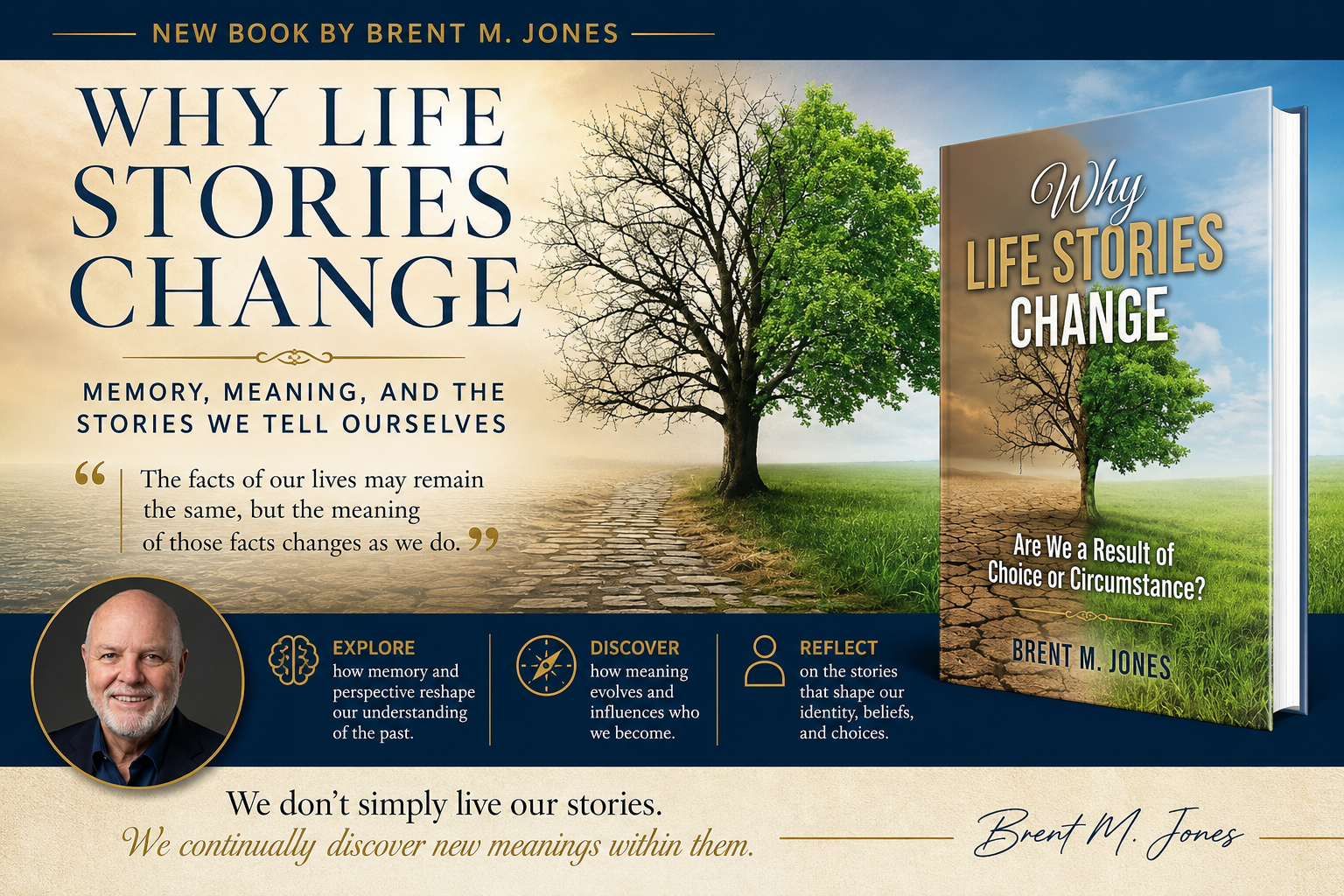
Why Life Stories Change explores memory, identity, meaning, and perspective. It is not a book about rewriting the past.
It is about seeing the past more clearly.
The same events.
A different perspective.
A different story.
And sometimes, a different understanding of ourselves.
If there is one idea at the heart of this book, it is this:
We do not simply live our stories.
We continually discover new meanings within them.
Every stage of life reveals something the earlier chapters could not.
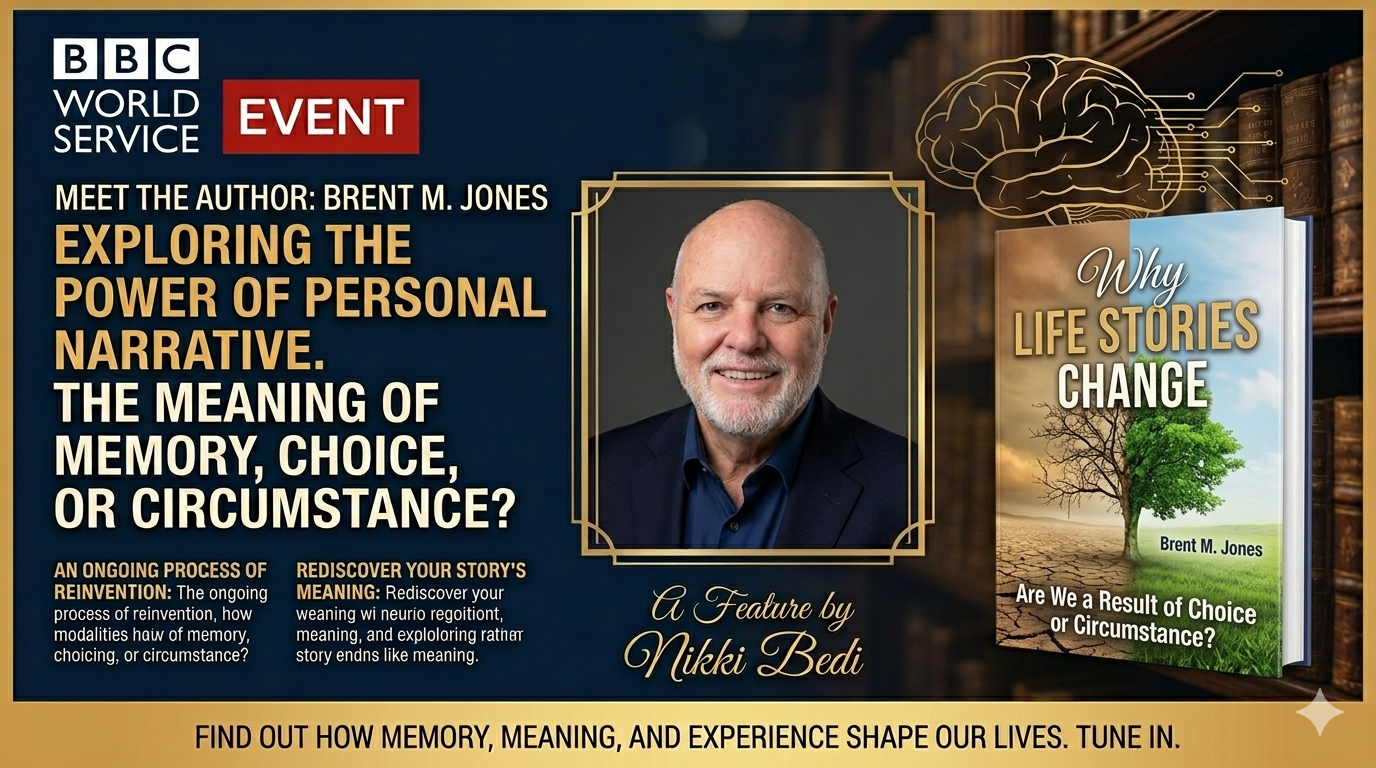
The themes explored in Why Life Stories Change were featured in a conversation with broadcaster Nikki Bedi on BBC World Service's The Arts Hour, examining memory, identity, personal narrative, and the ways our understanding of life experiences evolves over time.
Originally published March 31, 2023. Revised and expanded July 2026.
As we grow, the stories we tell about our lives rarely stay the same.
The facts may remain where they have always been, but the meaning does not.
Experiences that once seemed defining can lose their weight. Moments we barely noticed at the time may later become some of the most important parts of our story. Connections that once felt random begin to reveal patterns we could not have recognized before.
The past has not changed.
We have.
Our life stories are not fixed accounts of what happened. They are interpretations shaped by memory, perspective, and the point in life from which we are looking back. As those change, the story changes too.
That shift isn't about rewriting history.
It is about understanding it more fully.
This idea lies at the heart of Why Life Stories Change. The book explores how identity, memory, and meaning continue to evolve throughout our lives. It asks whether we are shaped more by choice or circumstance, while suggesting that the more important question may be how our understanding of both changes over time.
What feels central today may seem less important years from now. A painful experience may eventually reveal unexpected wisdom. Someone we once misunderstood may become someone we finally see with compassion.
Meaning is never entirely finished.
Neither are we.
Perhaps that is one of memory's greatest gifts. It allows us to revisit familiar experiences with new eyes, discovering meanings that were always there but could only be recognized after we had changed.
The story continues to unfold as long as we remain willing to reflect.
If these ideas resonate with you, you'll find them explored more fully in Why Life Stories Change: Are We a Result of Choice or Circumstance?
You can also explore related essays on identity, memory, and meaning in my Substack newsletter, What Matters, where these themes continue to evolve.