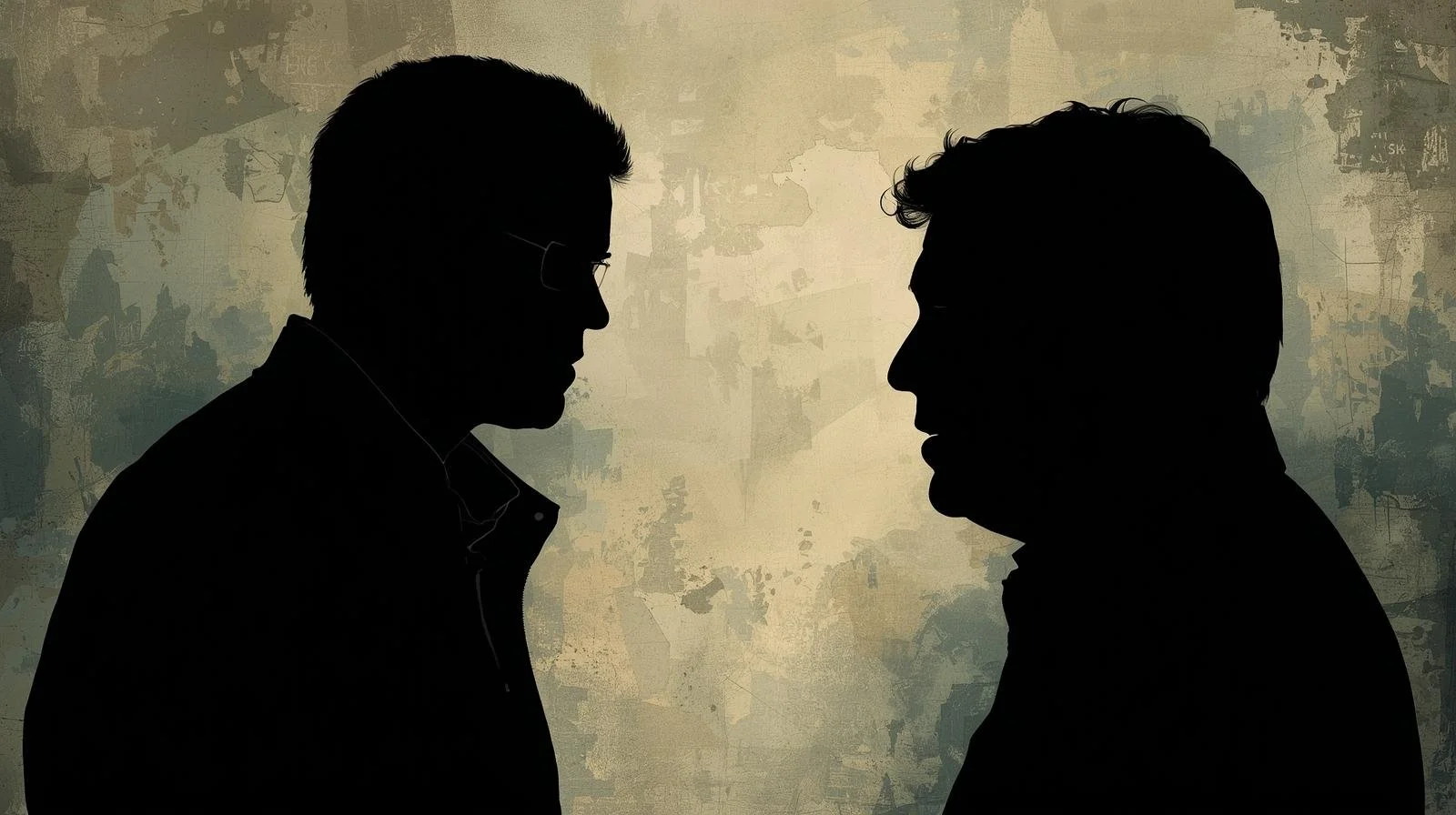
Two people can leave the same conversation carrying entirely different realities.
One feels understood. The other feels dismissed.
The same words were spoken. The same moment occurred. But the experience was not shared.
We often assume we live inside a common world, that events happen, and we all perceive them roughly the same way. Yet most misunderstandings come from the opposite being true. We do not share experiences. We only share situations.
What we call reality is filtered through memory, expectation, mood, and personal history. The moment reaches us, but it does not arrive untouched.
Philosophers have long tried to describe this. Martin Heidegger used the term Dasein — “being there” — to suggest that human life is not simply existing in a world, but existing as someone inside it. We do not stand outside experience and observe it. We participate in shaping it as it happens.
That is why the same day can feel meaningful to one person and empty to another.
Why does advice that feels helpful to one feel intrusive to someone else?
Why does even our past change depending on when we remember it?
Most conflict grows from forgetting this.
We treat our interpretation as the event itself. We assume disagreement means distortion rather than difference.
But if experience is personal before it is shared, understanding becomes less about proving and more about listening. Not listening for agreement, but listening for perspective.
Perhaps subjectivity is not a flaw in how we see the world.
It is the condition that allows each of us to live in it.