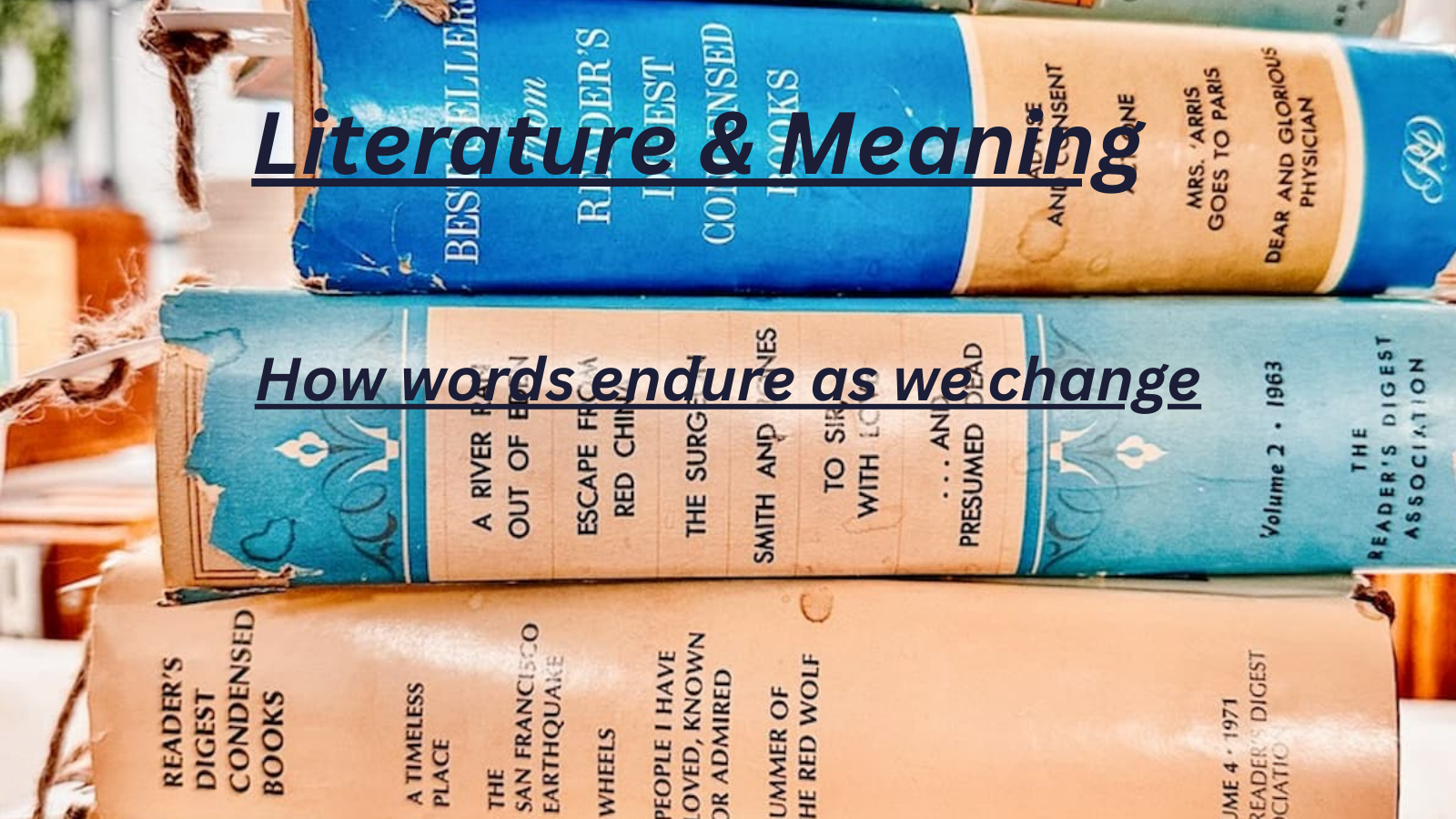
There are words we read. And there are words we carry.
Sometimes they are written in books.Sometimes they are sung, repeated, remembered—long after we’ve forgotten where we first heard them.
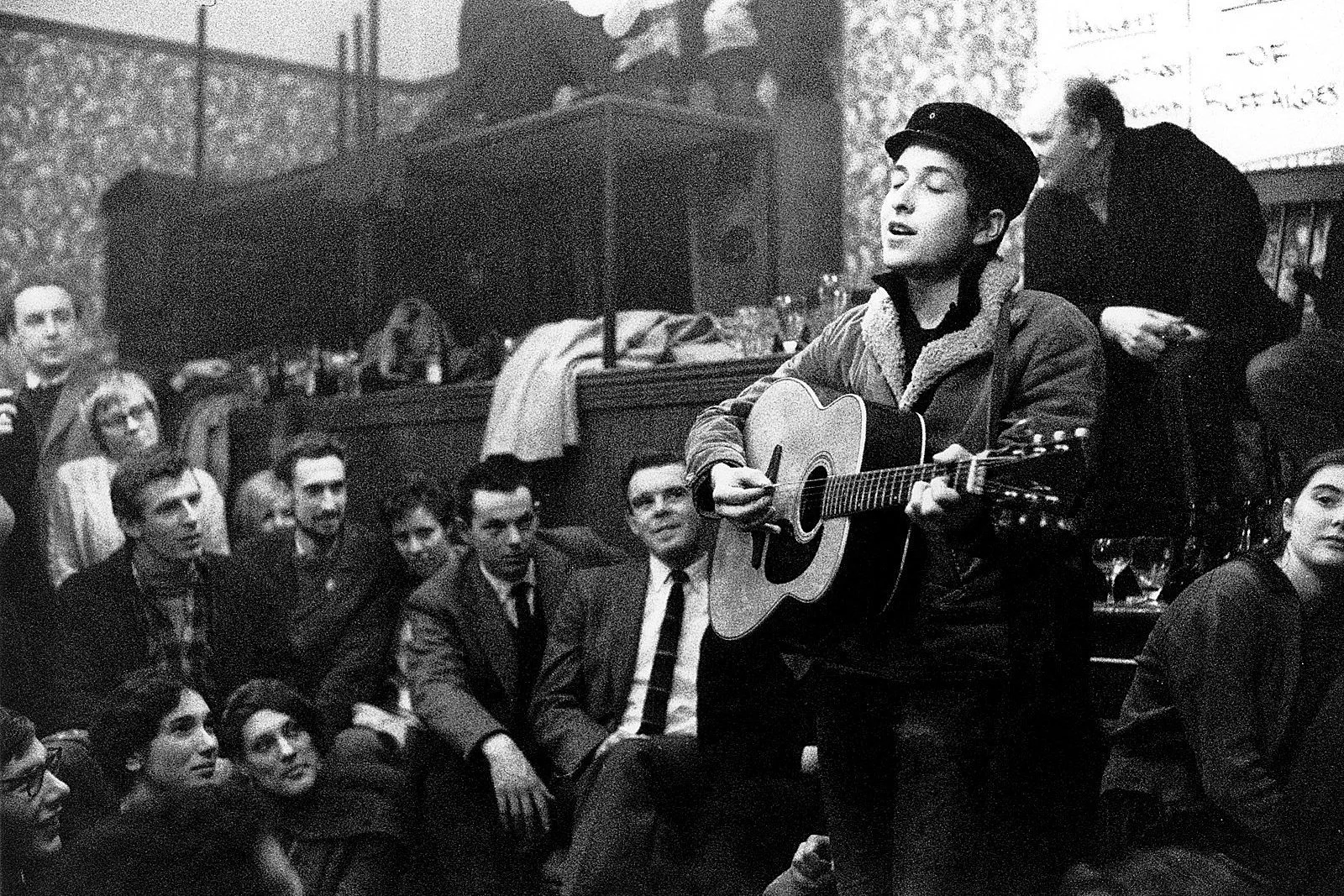
When Bob Dylan was awarded the Nobel Prize in Literature, it raised a question that went beyond one artist or one song.
What counts as literature?
Is it defined by the page? By structure? By tradition?
Or is it something less visible, and more lasting?
A song like “Blowin’ in the Wind” doesn’t present conclusions. It offers questions that seem simple at first, but don’t settle easily. They return in different forms, at different moments, often when we aren’t expecting them.
Not everything meaningful arrives as an answer.
Some things stay with us because they don’t.
We often think of literature as something complete—something shaped, edited, and finished. But meaning doesn’t always work that way. Meaning unfolds. It shifts depending on who we are when we encounter it.
The same words can feel distant at one point in life and deeply personal at another.
That may be what defines literature—not the format, but the endurance of interpretation.
It’s not just what is written. It’s what is remembered. What is revisited. What continues to ask something of us.
We don’t return to certain lines because they explain everything.
We return because they don’t.
Over time, we begin to see that meaning is not fixed inside the words themselves. It emerges through attention, reflection, and repetition—the quiet act of noticing something again, and seeing it differently.
In that sense, literature is not confined to books.
It exists wherever language goes beyond information to shape how we think, how we feel, and how we understand the world around us.
Maybe the distinction isn’t between lyrics and literature.
Maybe it’s between words that pass through us and words that stay.