
Photo Essay or Telescope — Or Both? →
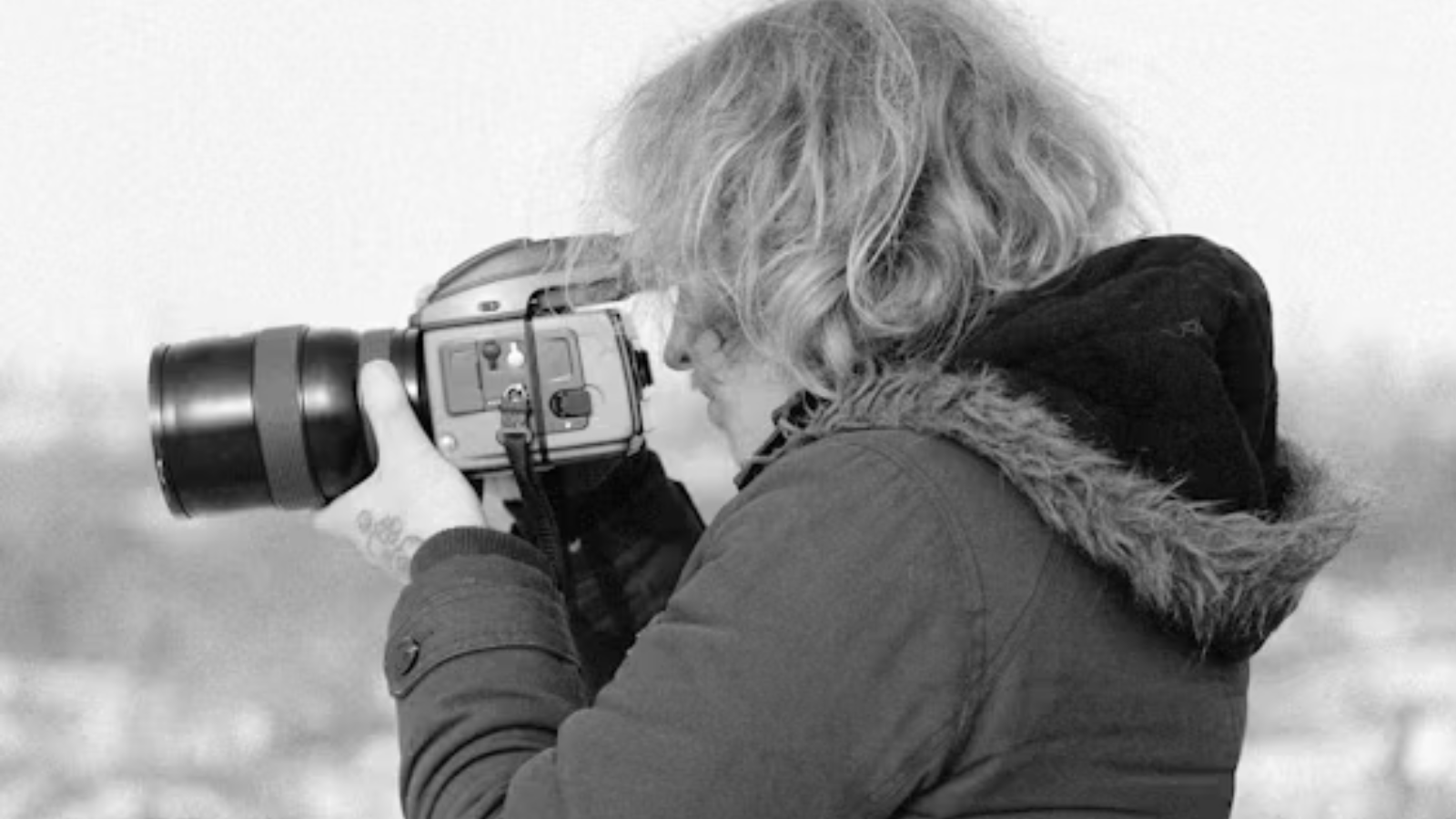
A camera on a tripod, fitted with a long lens, can feel like a telescope.
It watches from a distance. It scans before it chooses.
The telescope gathers information.
The photograph decides.
When the shutter closes, one moment is selected over countless others.
Everything before it.
Everything after it.
Everything that happened just outside the frame.
A photo essay doesn’t claim to show the whole event.
It offers a single point of attention.
What we see is not the moment itself, but a decision made within it.
Not what happened, but what was noticed.
Sociality →
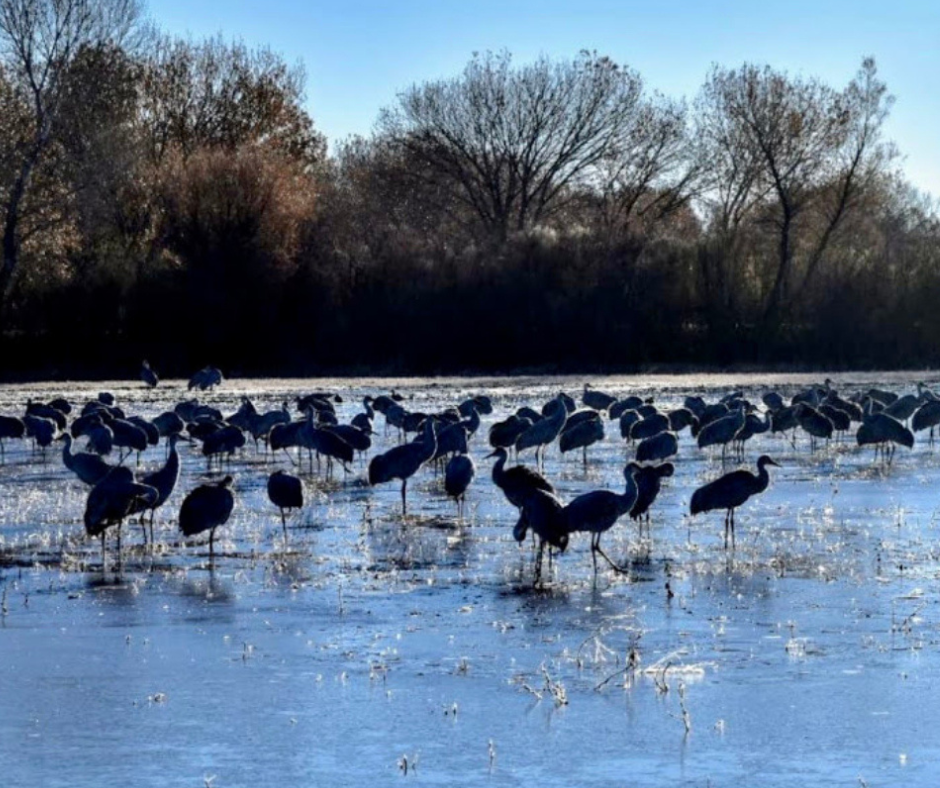
Sociality is a survival response to evolutionary pressures.
Photo essays find you rather than you finding them.
Read moreThe Photo Is the Essay: Why Some Images Outlast Words →

On the morning of June 5, 1989, photographer Jeff Widener stood on a sixth-floor balcony of the Beijing Hotel, documenting the aftermath of the Chinese government’s violent crackdown in Tiananmen Square.
As a column of tanks moved along Chang’an Avenue, a lone man stepped into their path. Widener continued shooting, unsure whether he was witnessing an act of courage—or the man’s final moments. The tanks slowed. Then stopped.
The man climbed onto one of the vehicles, spoke briefly with the crew, and resumed his place in front of the column. Eventually, he was pulled away by bystanders. His identity and fate remain unknown.
Others photographed the scene, but Widener’s image was transmitted over the Associated Press wire and appeared on front pages around the world. In time, the photograph became known simply as Tank Man.
Decades later, the image endures not because we know who the man was, but because we don’t. His anonymity allows the photograph to speak beyond its moment—to stand for resistance, vulnerability, and the quiet force of a single human presence confronting power.
This is why photographs matter.
They do not explain.
They endure.