Exploring the unexpected connections that shape our lives
Book Reviews, Comments & Stories, Quotes, & Poetry & More
"Connections and Why They Matter"
Most of what happens in our life will spark a connection. Life connects with what has been found in books. Books connect with what happens in life. Use the connections to help you see more clearly. A love of reading and writing is what motivated the creation of this blog. Thank you for coming to the blog.
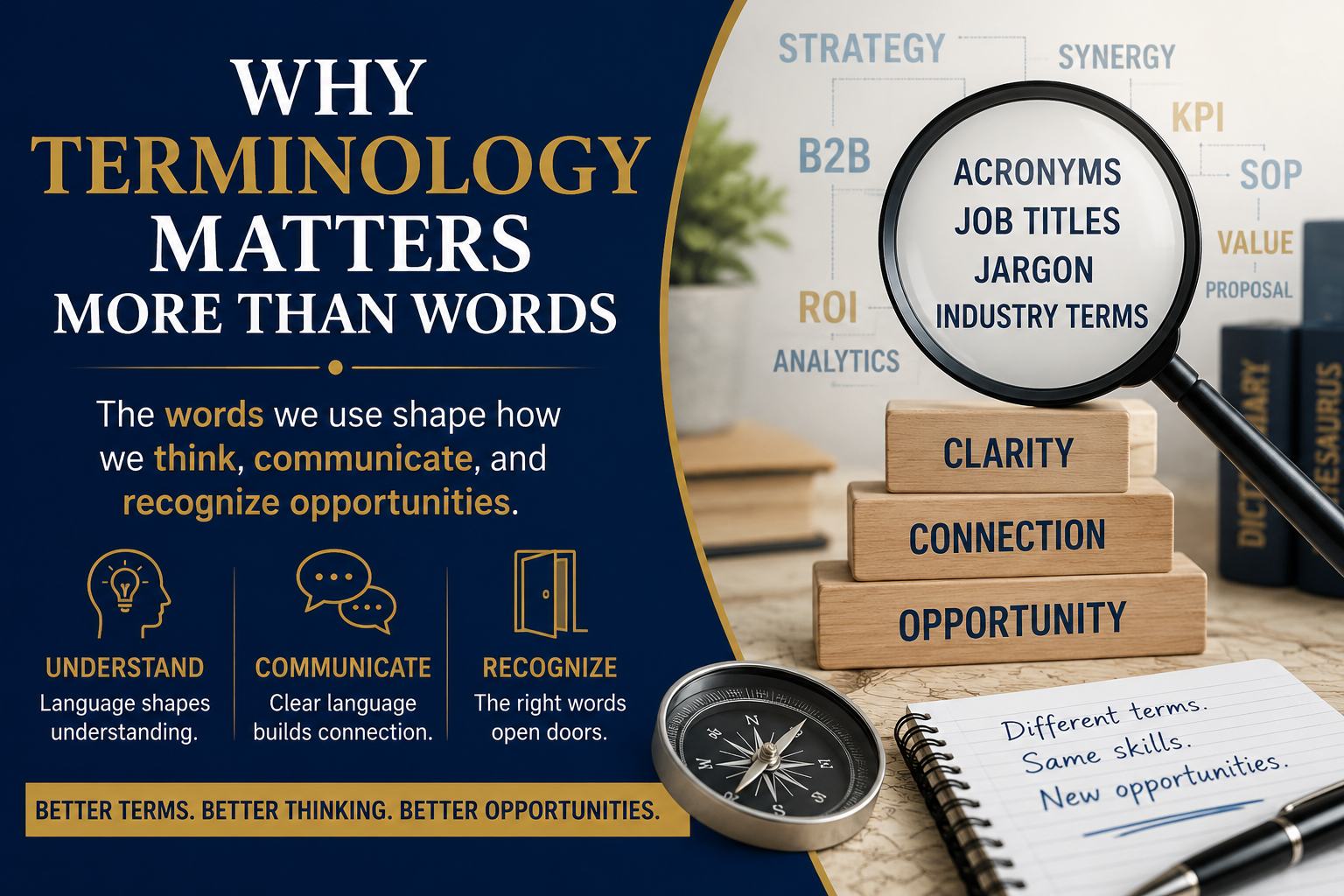
When Warren Buffett observed that "bad terminology is the enemy of good thinking," he was making a point that extends far beyond business language. The words we use influence how we understand problems, communicate ideas, and recognize opportunities.
That observation became one of the inspirations behind Terminology Is More Than Words.
Over the years, I worked with hundreds of professionals on LinkedIn profiles, resumes, networking strategies, and career transitions. Again and again, I noticed that people often possessed the right skills for a position but struggled to recognize the connection because the language used to describe those skills was different.
The challenge was rarely a lack of ability. More often, it was a matter of terminology.
When Job Titles Stop Being Helpful
Many organizations create job titles, acronyms, and internal terminology that make perfect sense inside the company but are unfamiliar to outsiders. In some cases, these labels describe work that has existed for decades under different names. In other cases, they are created to support a particular organizational structure, initiative, or branding effort.
As a result, professionals searching for their next opportunity can find themselves overlooking positions that are actually a strong match for their experience.
A project manager may not recognize a role because the title has changed.
A trainer may not realize that a learning and development position requires many of the same skills.
An operations specialist may discover that another industry uses entirely different terminology to describe nearly identical work.
The skills remain the same. The labels change.
Acronyms Can Hide Opportunities
Industry-specific acronyms often create another barrier.
Everyone inside the industry understands them. Everyone outside the industry is expected to learn them.
The problem is that acronyms can make familiar work appear unfamiliar. A job posting may seem highly specialized until you discover that the underlying responsibilities closely resemble work you have already done.
Understanding industry terminology does more than improve your resume. It helps you recognize opportunities that might otherwise be overlooked.
Networking Helps Translate the Language
One of the best ways to understand unfamiliar terminology is through networking.
Job boards, search engines, recruiters, and resumes all have value, but conversations with people often provide insights that cannot be found elsewhere.
A discussion with someone inside an organization can reveal that a complicated-sounding initiative is simply a different way of describing a process you already know.
I once worked with a project manager from the aerospace industry who noticed a healthcare organization's emphasis on "patient care initiatives." At first glance, the language seemed unrelated to his background. After speaking with people involved in those initiatives, he discovered that many of the processes, goals, and project management principles were remarkably similar to those he had used for years. The primary difference was the terminology.
That conversation opened doors that a job search alone would not have revealed.
Looking Beyond the Acronyms
Company websites often provide clues about how an organization thinks.
Mission statements, strategic goals, initiatives, and committee structures reveal what the organization values and how it describes its priorities. Understanding this language helps you communicate more effectively and identify where your experience aligns with the organization's needs.
In many cases, the people most passionate about those initiatives are willing to discuss them. Those conversations can provide valuable insights while also helping you build meaningful professional connections.
More Than a Career Book
At first glance, a book about terminology, jargon, and acronyms may seem different from my books on communication, networking, personal reinvention, and life stories.
Yet the connection is stronger than it appears.
The words we use influence how we see ourselves, how we explain our experiences, how we communicate with others, and how we identify opportunities for growth.
Terminology is never just about words.
It shapes understanding.
It influences perception.
And sometimes, it determines whether we recognize an opportunity when it appears right in front of us.
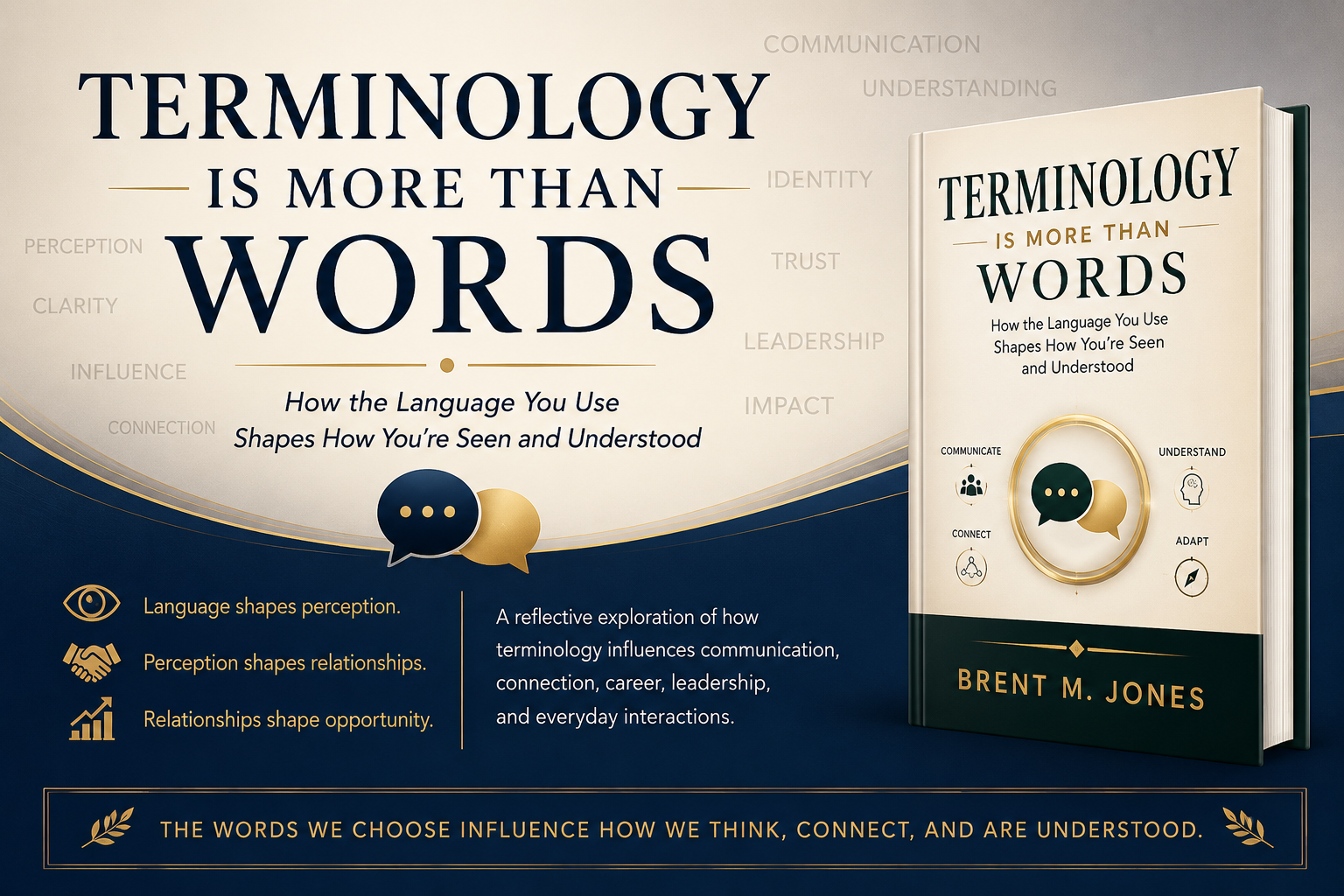
Terminology Is More Than Words: How the Language You Use Shapes How You're Seen and Understood
These three books reinforce the article's central message that language influences connection, visibility, and opportunity.