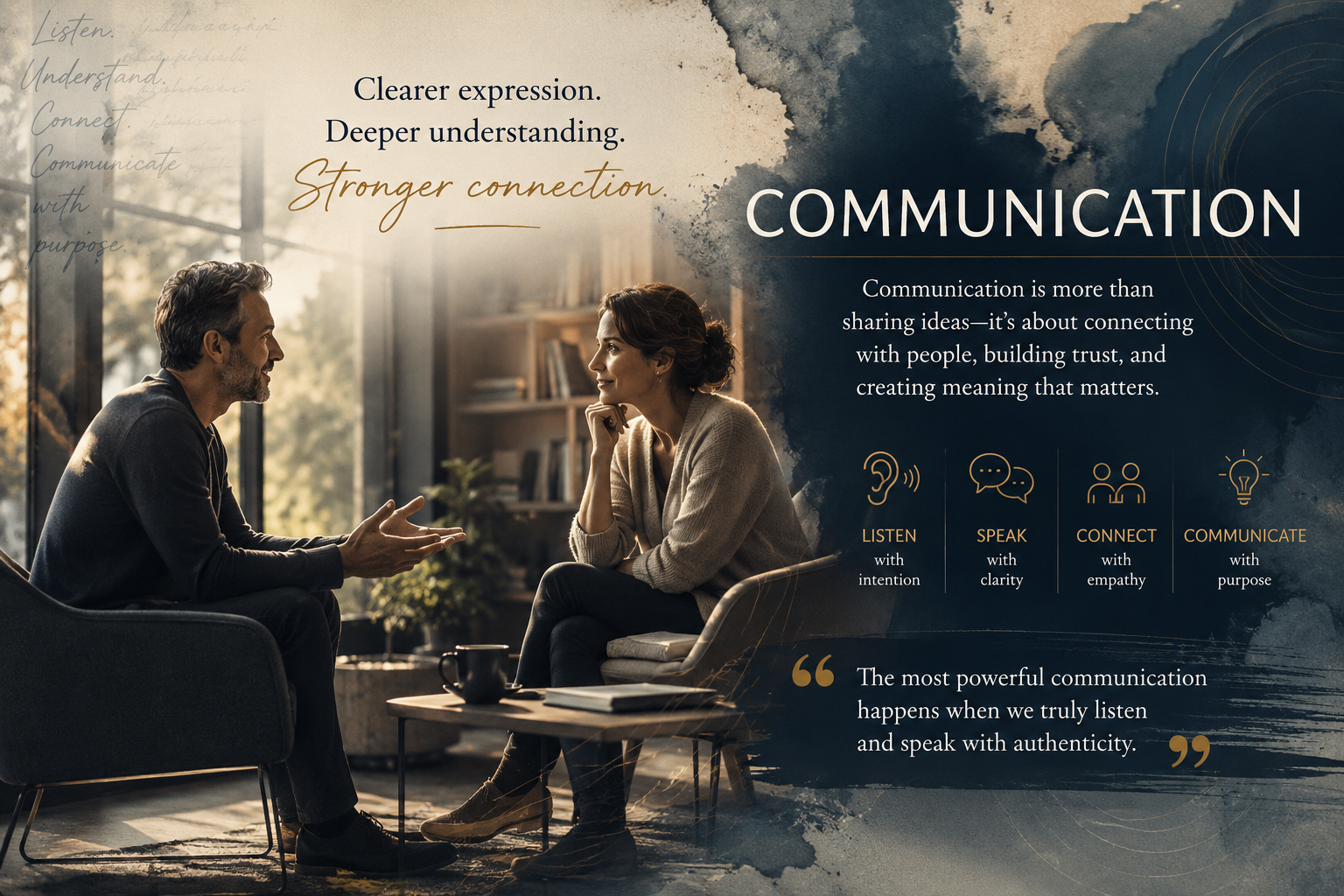
We live in a world full of noise. Everyone is talking, posting, pitching, and performing. But how much of it is genuine communication? Too often, what passes for listening is simply waiting for our turn to speak. The result is a conversation that leaves everyone feeling unheard.
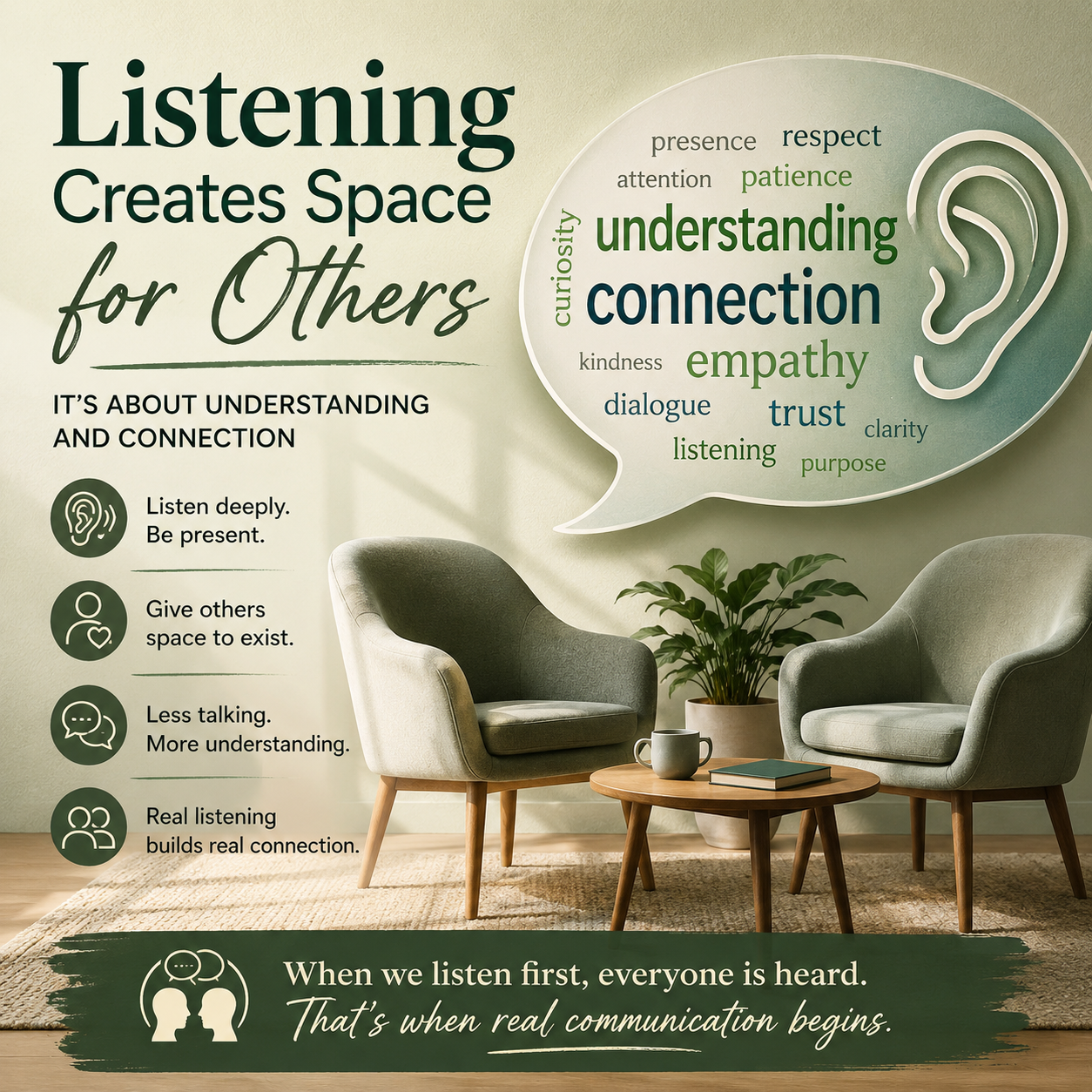
Authentic communication begins with presence. When we listen deeply, we do more than hear words. We give someone else the space to exist fully in that moment. We acknowledge that their perspective matters, that their story has value, and that understanding requires us to pause long enough for their words to take root.
Why would anyone want to talk with someone who only wants to hear themselves? If a person's only purpose is to fill the silence with their own voice, there is little room for real connection. Communication without listening becomes an echo chamber instead of a dialogue.
Listening is not passive. It is an active choice to set aside distractions, judgment, and rehearsed responses. The goal of a conversation is rarely to win or dominate. More often, it is to discover. When we speak, our words should invite others to share their own thoughts, experiences, and perspectives.
The paradox is that when we focus less on speaking and more on listening, our own words become more meaningful. They are shaped by what we've heard, strengthened by the trust we've built, and informed by the context we've gained. Listening makes thoughtful responses possible.
Reflections like these inspired me to write The Power of Authentic Communication. I wanted to explore how small changes in the way we listen, respond, and show up for others can transform not only our conversations, but also our careers, relationships, and understanding of ourselves.
At its heart, communication is not about proving who we are. It is about connecting. And connection begins with listening.
So before your next conversation, ask yourself a simple question:
Am I here to be heard, or am I here to understand?
Sometimes the most powerful contribution we can make is not another sentence. It's creating the space for someone else to speak.