
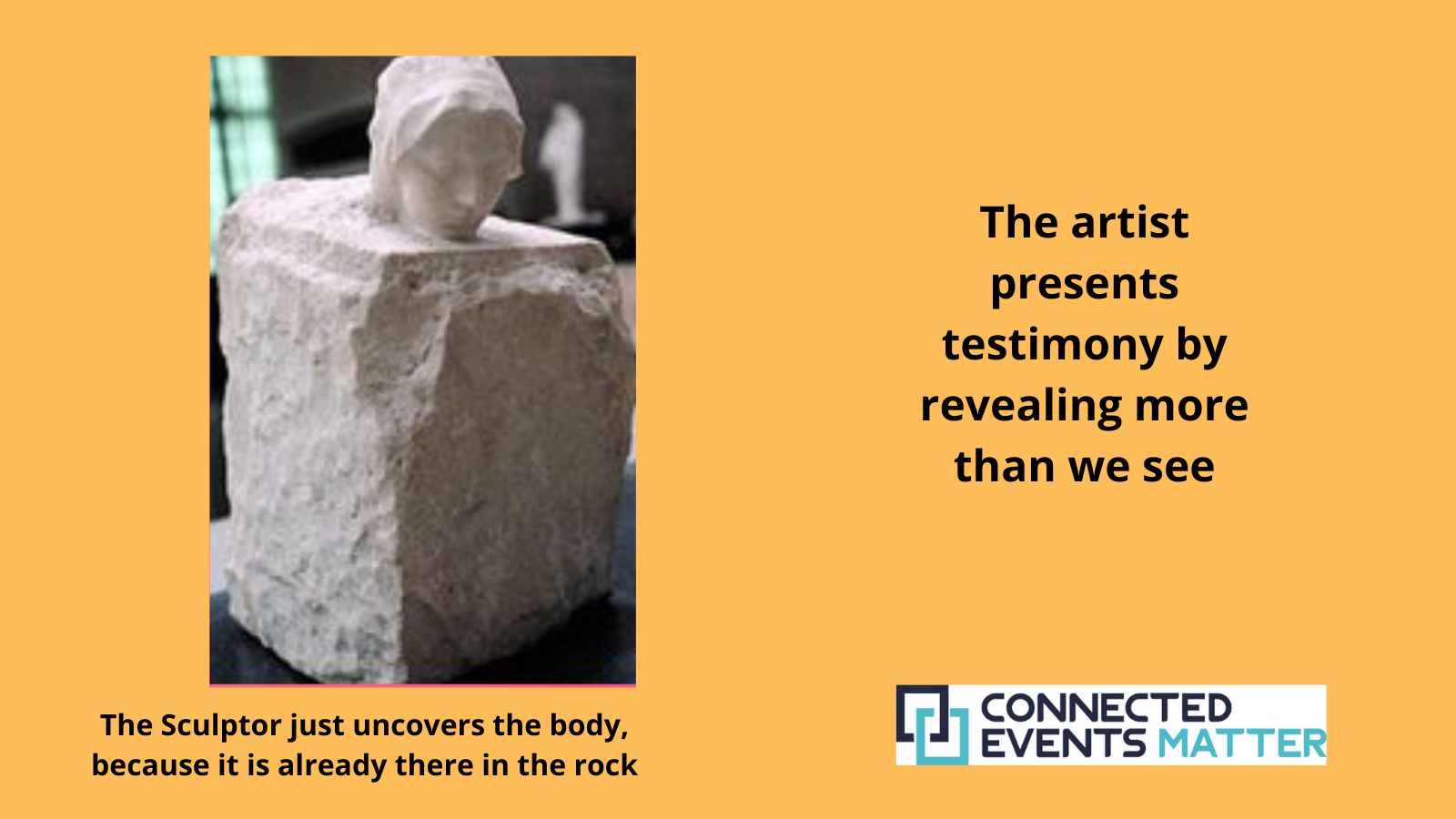
The artist presents testimony by revealing more than we see →

Much has been said about art presenting a message transcending the content. What causes the items portrayed to have a message in addition to what is seen? Where did that message reside?
Perhaps a unique and previously inexperienced view of colors, shapes, and textures brings out memories or suggests them? Maybe it is the intensity of the color or the place of the object that we view that brings a previously unthought message to us?
Could a painting have a spirit of its own, and if so, is that spirit the poetry of the image that speaks to us?
Did the painting, or work of art, exist before it was found, and has it only been revealed? If images and art are displayed, then where and who is the original talent that the painter only uncovered.
Is art the artist’s testimony, or is the artist only the messenger?
Quotes to Ponder
“Painting is poetry that is seen rather than felt, and poetry is a painting that is felt rather than seen.” ― Leonardo da Vinci.
Color fills the space, layers showing light, darkness, movement, peace, and beauty. Purple represents dignity, grandeur, mystery, independence, and especially magic.
“Art washes away from the soul the dust of everyday life.” ― Pablo Picasso.
"He said it wasn’t our decision if “Art was art,” adding that, "We don't inform art, that art informs us.” - Leonardo da Vinci
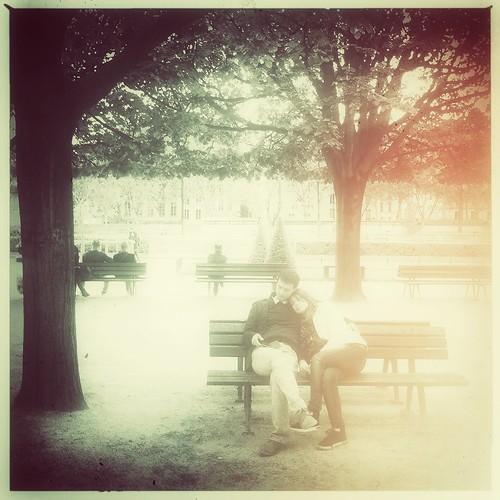
Is this a metaphorical Kiss or just black and white art? →

A kiss is a simple gesture that symbolizes many feelings. It can be an expression of affection, a declaration of love, or respect. The motion contrasts the coldness brought by the lack of color and complete facial identity.
Something is metaphorical when you use it to stand for or symbolize another thing. A metaphor is a figure of speech that is used to make a comparison between two things that aren't alike but do have something in common. This black and white picture compares a kiss and loving lips to the coldness of black and white and the implied absence of flesh.
The emotional power of a black and white image is a robust quality that grabs the viewer’s attention. The emotion of the photo comes from within the subject, and the viewer is forced to pause and take a closer look.
These images conjure up emotions that are difficult to express in words but are universal to all who look at black and white photos.

Natural Art: the perfect setting, the perfect subject, the perfect artist brings inspiration →

The best art has something to say. Sometimes we only feel the words, and sometimes they bring an understanding of the artist.
To speak to the artist sometimes requires a recognition of the weaknesses as well as the talents that come to focus with the talent. Why were the colors used? Why was something placed in the front of the painting, and what was the decision process that those choices required.
To apply the same approaches to this work of art is not possible. The artist used perfection. The message is at least perfect.
"Room in New York" by Edward Hopper →

Room in New York is a 1932 oil on canvas painting by Edward Hopper that portrays two individuals in a New York City flat. It is currently in the collection of the Sheldon Museum of Art. The painting is said to have been inspired by the glimpses of lighted interiors seen by the artist near the district where he lived in Washington Square

Stephen King sits down in front of Hopper’s picture, “Room in New York”, to read the first chapter of his latest book, “If it Bleeds” for a YOU TUBE presentation. King refers to Edward Hopper painting pointing to the picture and saying Hopper is considered “The patron saint of social distancing”. Actually it does seem to fit some of his work.
How does Surrealism Liberate Thought? →
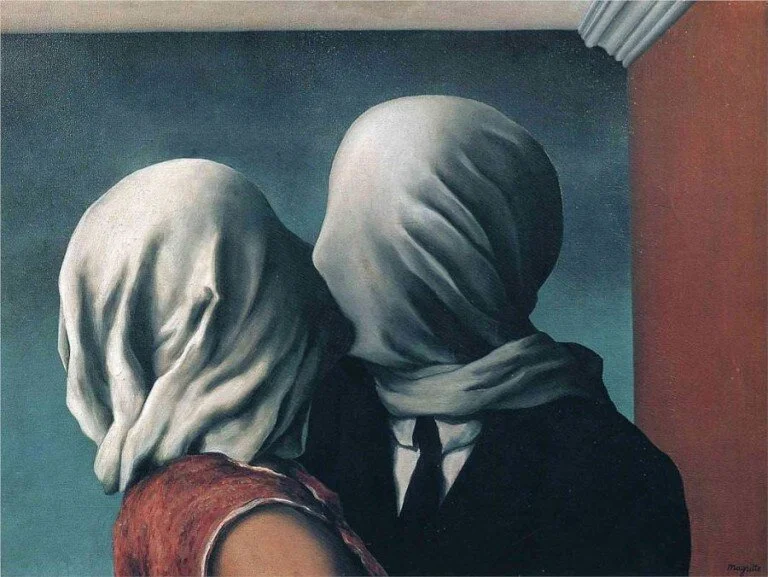
René Magritte’s “The Lovers” (1928) is a harrowing depiction of isolated love as the pair are kept apart by a mere shroud of fabric, preventing a fully loving embrace. Or could it have been a look into the future world of pandemic isolation?
What is the real purpose and object of art, literature, and thought? The obvious answer would be that it is communication, but the question becomes complicated when considering what communication is? Is it the message the artist intended to ask, or is it the scope of how the viewer of the art finds the answer?
Surrealism’s goal was to liberate thought, language, art, and human experience from the oppressive boundaries of rationalism. The consequence of the approach on the artists and writers was the belief that their work was revolutionary or philosophical. Neither the questions nor the answers their work presented mattered as long as the viewer was liberated to inject any variety of options for both.
A beautiful face is natural art →

Although freckles aren’t limited exclusively to fair-skinned redheads, it is fair to say that our red-headed friends get the lion’s share of freckles – and they only make up 4-5 percent of the total world population. So if you not only have freckles, but you’re also a natural redhead, then you’re pretty special, indeed.
“Those freckles make you seem like a galaxy of stars, just waiting to be explored and loved.”
― Nikita Gil

What is behind how we perceive and experience the world? →

We see only so much of the world, limited to what we each have for visiting. That means we see things not as they are but as we are. We know the world not as it is but through the individual peculiarities of our minds.
If we experience the world in black and white, that doesn’t mean it is black and white; of course, we know that it is really in color. But is it only in color? Are there other degrees of vision we may not have?
When you see the world, you enter into the biological, psychological, and sociological reality that I connected to what you see. These connections can also impact how you feel about what you think you see.
Where are our thoughts? Do they stay below the surface, or do we wear them on our faces? Our thoughts and perception about what we see are the lenses through which we view reality.
I
Texture in Art can be Implied or Real →

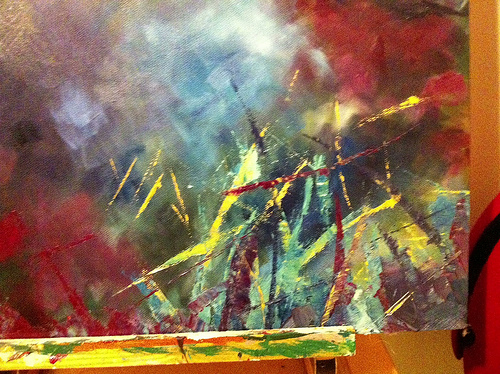
Texture can be implied or be an essential factor in art. The surface is an art element used to bring depth and dimension. It can be told using a combination of long and short strokes but obtaining an actual texture is an important goal.
The texture is usually described as smooth or rough, soft or hard, coarse or fine, matt or glossy, and can be divided into two categories, tactile and visual textures.
Tactile textures refer to the immediate tangible feel of a surface but the texture and how it looks like it will feel if touched.
The texture is one of the seven elements of art. Understanding it fully will lead to more robust drawings and paintings. Surface - an art element that refers to how an object feels to the touch or looks as it may feel.
Smooth strokes create softness, and rough, reckless, and varied strokes convey a message of hardness. Paints can be blended, and three-dimensional effects can be made.
.
Cubism Represents a Multitude of Viewpoints Yielding a Deeper Understanding →
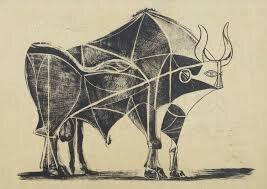
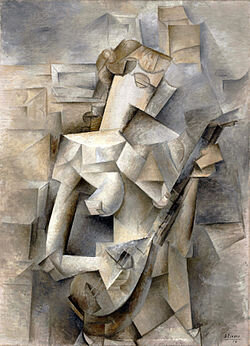
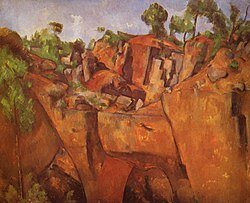


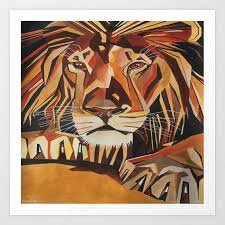
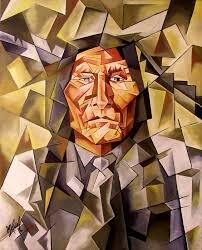


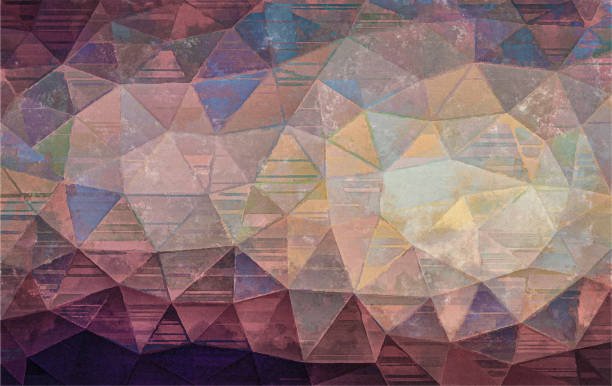
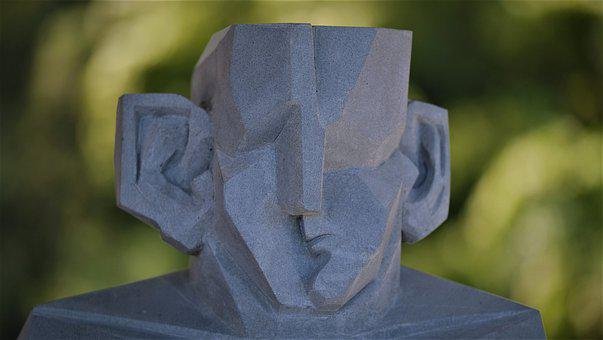

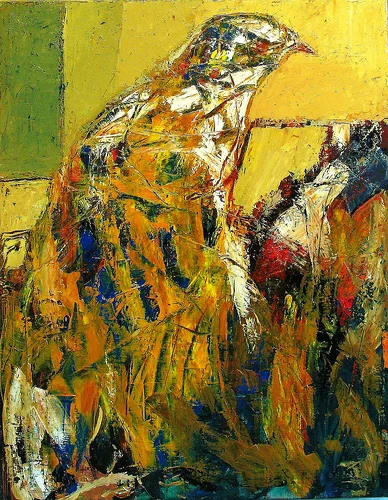
Cubist artwork, some say, is the most influential art movement known. It changed a wide range of ideas as far as art was concerned in the 1910s and 1920s, allowing for the development of abstract modern art movements.
In Cubist artwork, objects are analyzed, broken up, and reassembled in an abstracted form—instead of depicting objects from a single viewpoint, the artist shows the subject from a multitude of perspectives to represent the subject in a greater context.
Cubist art can be described as three-dimensional art consisting of geometric planes and shapes. Works of Pablo Picasso that consist of interlocking shapes and geometric planes are examples.
"The first true Cubist sculpture was Picasso's impressive
“Woman's Head”

Pop Art will show those Abstract Expressionists what real art is or isn't, they said? →
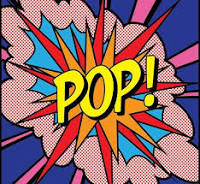
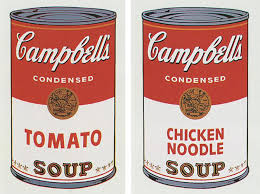
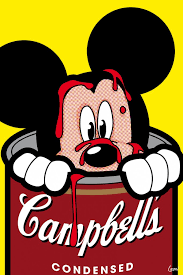
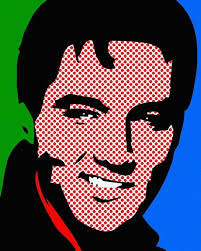

Not to be confused with Abstract Art, Pop Art was the art of popular or “material” culture and was a revolt against the status quo and the traditional views of what art should be.

V
Pop art was and perhaps still is a style of art based on simple, bold images of everyday items, such as soup cans, painted in bright colors. Some say that the pop art movement started as a rebellion against the, which were considered to be pretentious and over-intense. Is putting soup cans and familiar things on the wall not pretentious?
Pretentiousness is the attempt to impress, rather than the object of the attempt. Does putting a can of soup up instead of abstract art impress folks. Perhaps the audacity of it is really more pretentious?
Andy Warhol is remembered for the artistic presentation of a picture of a Campbell’s Soup Can. Some may feel that he is really remembered for his pretentious audacity. The Pop Art approach, that he is credited with being a early leader , evolved to include pictures of consumer product labels and packaging, photos of celebrities, comic strips, and animals.
Pop Art is a genre of art characterized by an interest in popular culture and imaginative interpretations of commercial products.
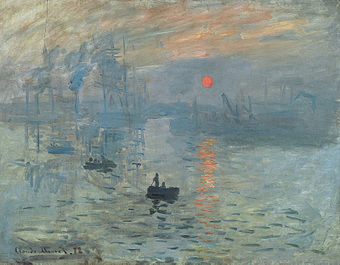
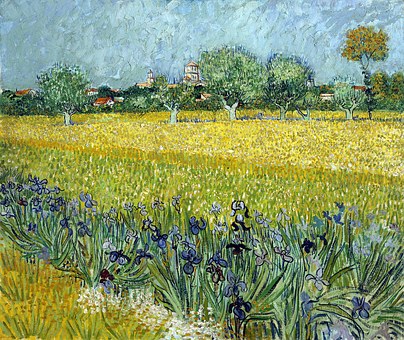
Impressionistic Art often shows the impression of light

Top Picture Example small thin strokes
Impressionistic Art is a 19th-century movement characterized by relatively small, thin, yet visible brush strokes, open composition, and emphasis on accurately depicting light in its changing qualities.
It emphasizes how light changes in the scene—the light changes suggesting a passage of time. Often the colors are soft rather than bold. The colors become more critical than the strokes.
The picture on the left below by Claude Monet titled Impression Sunrise is presented by small thin brush strokes, sometimes barely visible.
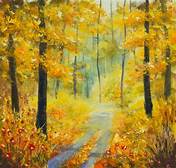
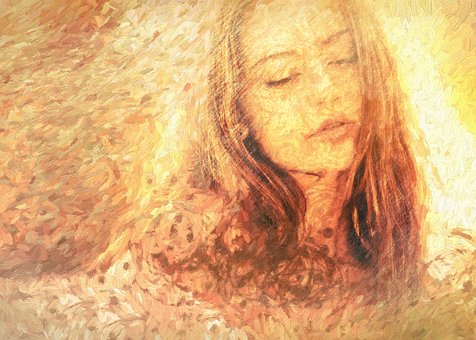
I
Art is About Connections - Real or Implied →



Growing up, I did not think I was a good artist, but even so, I took an art class in the 9th grade. Many in the class were talented, and I wondered if I had made a mistake. Mr. Lampson, the teacher, was passionate about art, and early in the school year, he mentioned a phrase that just drove him crazy.
Even though this class and teacher did not set me on the path to greatness in art, it did get me thinking, and over the years, many things I learned told me that Mr. Lampson was right. Art does have its role and purpose, but the question of whether art reflects the artist’s feelings or if art created those feelings is still unclear. Maybe it is both?
Oscar Wilde, in his 1889 essay, "The Decay of Lying," said: “Life imitates Art, more than Art imitates Life, and what is found in life and nature is not what is there, but is that which artists taught people to find there, through art.”
Do we see what is there, or what an artist taught us to see? It has been found that people do visit what they are conditioned to see. When people are hypnotized and asked about what they saw when they walked through a room, they have very different answers than when not hypnotized. People under hypnosis can remember the number of tiles on the ceiling or even the faces on the magazines on the tables, and they can’t remember those things. Their conscious mind was not interested in them.
Mr. Lampson also showed us how a lump of clay, spinning on a pottery wheel, grasped by an artist's hands, changed into what he imagined the clay to be and said that the clay itself informed the artist through the feelings it brought. He said that the bowls and vases produced were different when finished than the first intended and that the clay could talk to us. He attempted to teach us how to listen.
Writers and artists reveal much about themselves in their work but also find a great deal waiting to be expressed.
Art Gives Feelings Shapes and Shapes Feelings →
Is the object of art to give life a shape, or is it to provide the body with a life? Does art give feelings shape or shape feelings?
How the artist communicates how the artists use line, color, and Seaford space to convey the shapes and feelings of art.



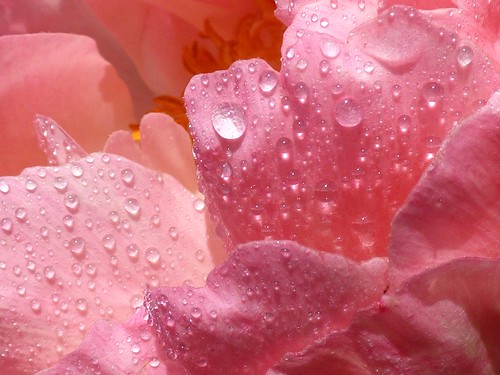
Can the painting of a flower ever surpass the original in beauty and impact? →

Did Shakespeare say that The Object of Art is to give Life a Shape? But which is greater, the art or the artist’s shape? Perhaps the artist adds to the original with emphasis felt.
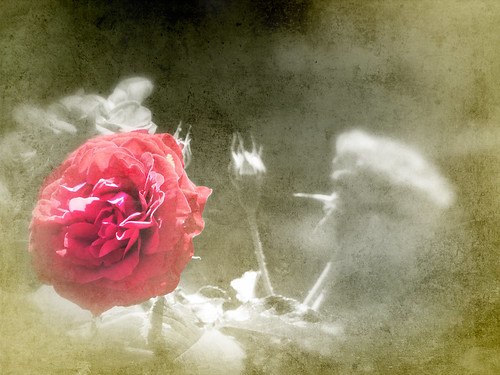
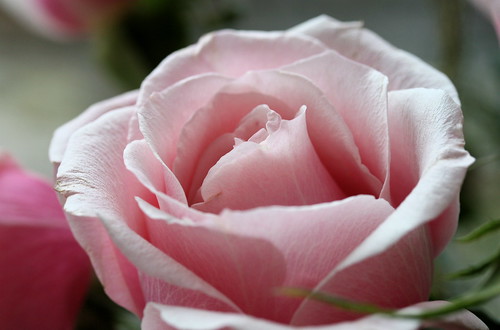
Pink flowers represent grace and elegance and are captured in paintings to communicate feelings.
Does painting a flower ever equal or surpass the original? That is not the question; instead, does the image add to what we had before?


Pottery Art brings the spirit of the earth to art

Clay is modeled, dried, and fired into a vessel or decorative object, usually with a glaze or finish. Clay is a natural product dug from the earth.
The potter’s spirit and the earth come together to inform us of beauty.

PS: Note to those that love Art. See the review of “Art Before Breakfast” by Danny Gregory Click Here.
Quote by Danny Gregory
“It’s ironic that people speak of artists as dreamers. I think they are the most grounded people around. Conscious and present. As an artist, you really see life, connect with its beauty, and create something that shares those observations with others. You notice things.”
Also see review of “What Is Art” by Leo Tolstoy, click here
Street Art Reviewed is in the Eye of the Beholder →

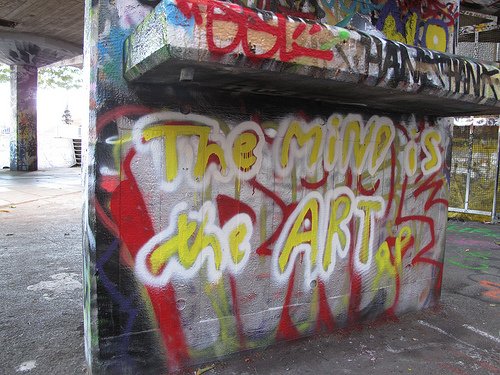
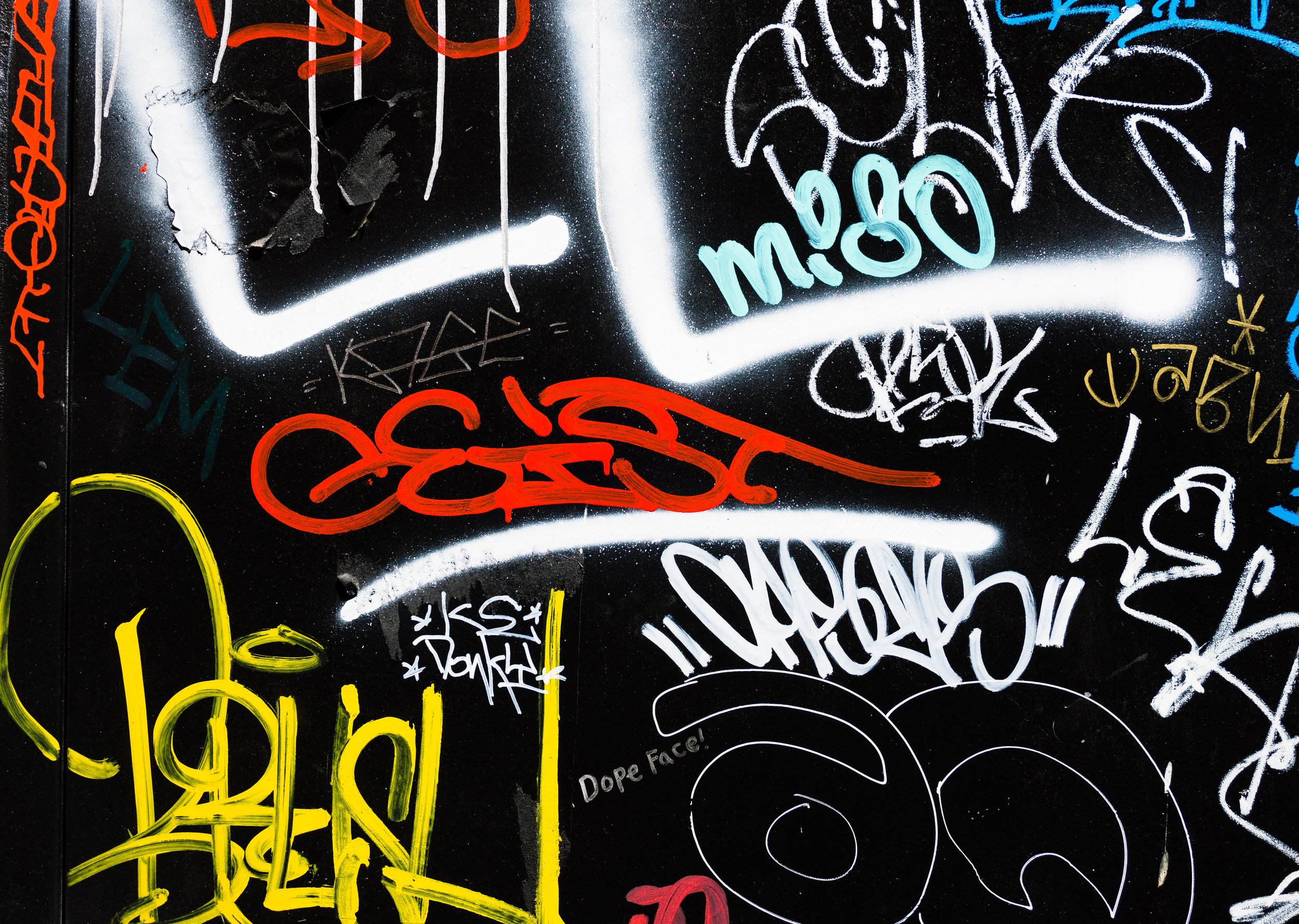
Is Street Art Really Art?
Is the main difference between graffiti and street art the intention behind each approach? Graffiti writers are not interested in the general public understanding their artwork. They are primarily concerned with other graffiti writers who can decipher the coded tags and appreciate the writing style. This ignores the intended public impression created by graffiti which can be complex.
To assume that street art is intended for a different audience still leaves the question of whether it is art? Perhaps it is enhanced skill, but then it is likely in the eye of the beholder to decide.
Contrasts Captures and Compels our Interests in Art →

V
Contrast can be a defining principle of art. When it comes to art, contrast is achieved when contrasting elements are arranged together. Although these elements might be opposites, their arrangement can still be appealing.
Opposite elements of light & dark colors, rough & smooth textures, and large & small shapes create and capture the message. For example, black is the opposite of white, so there's a contrast between black ink and white paper and the colors used together in the picture. But the difference can also happen when the two things are very different. For example, cats and dogs are a contrast, but they're not opposites.
Contrast creates its dominance, and we are drawn to where the artist wants us to go.
If it is art or graffiti, may only be determined in where it is put. →
V