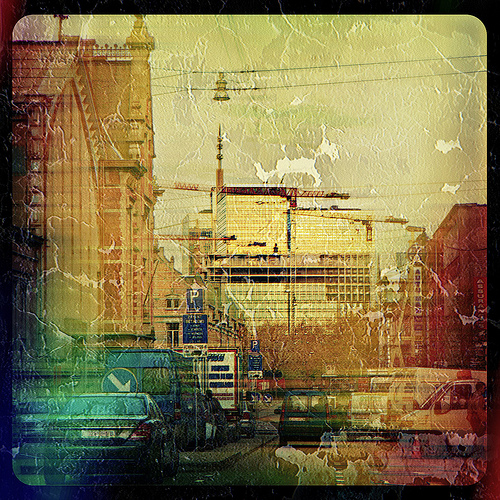

Does art reach out to the artist or result from reaching in to find it? →

Art has the power to change, inspire, and offer us a fresh perspective on the world. Each work of art, a product of the individual artist's unique journey, reflects a specific period, context, or stage in their life. As a result, the artist's works of art become a visual diary, allowing us to witness the evolution of their identity over time, fostering a sense of connection and empathy.
Art, in its essence, is a form of Philosophy, as it mirrors a desired and cherished perception. Wisdom and truth, rather than being discovered externally, are perceived and understood because of our love and desire for them. It is our responsibility to cultivate the vision to recognize them, empowering us to actively seek and appreciate wisdom and truth in art.
Digital Art vs’s Traditonal Art: That is the unnessasy question →

(No, this picture is only a picture of fingers, but yes, they are often referred to as digits, but of course, to some, they may be considered art)
Digital art is an artistic work that uses digital technology as part of the creative or presentation process and is categorized as digital art in two ways: object-oriented artworks and process-oriented visuals.
Anything produced or made on digital media, such as animations, photographs, illustrations, videos, and digital paintings, can be classified as digital art.
Digital painting is thought to have less value because it can be printed out an infinite number of times, and it doesn't have the “only one of its kind” factor going for it.
Traditional art has a variety of mediums that have existed and been developed and improved over time. At the same time, digital art uses digital technologies to produce art. This leaves digital alone with one medium to compare to the scope of traditional art, but then that doesn’t rule out that it is art.
Types of Digital Art
Fractal/Algorithmic Art.
Data-Moshing.
Dynamic Painting.
2D Computer Graphics.
3D Computer Graphics.
Pixel Art.
Digital Photography.
Photo-painting.

Pop Art will show those Abstract Expressionists what real art is or isn't, they said? →
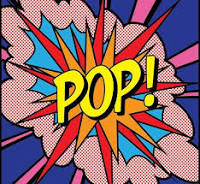
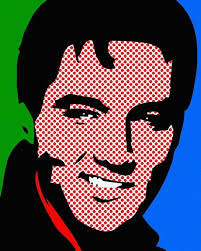

Not to be confused with Abstract Art, Pop Art was the art of popular or “material” culture and was a revolt against the status quo and the traditional views of what art should be.

V
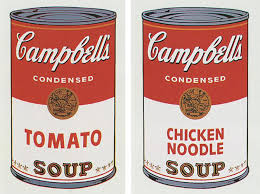
Pop art was and perhaps still is a style of art based on simple, bold images of everyday items, such as soup cans, painted in bright colors. Some say that the pop art movement started as a rebellion against the, which were considered to be pretentious and over-intense. Is putting soup cans and familiar things on the wall not pretentious?
Pretentiousness is the attempt to impress, rather than the object of the attempt. Does putting a can of soup up instead of abstract art impress folks. Perhaps the audacity of it is really more pretentious?
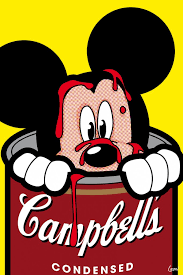
Andy Warhol is remembered for the artistic presentation of a picture of a Campbell’s Soup Can. Some may feel that he is really remembered for his pretentious audacity. The Pop Art approach, that he is credited with being a early leader , evolved to include pictures of consumer product labels and packaging, photos of celebrities, comic strips, and animals.
Pop Art is a genre of art characterized by an interest in popular culture and imaginative interpretations of commercial products.
Art comes from Knowing When To Listen
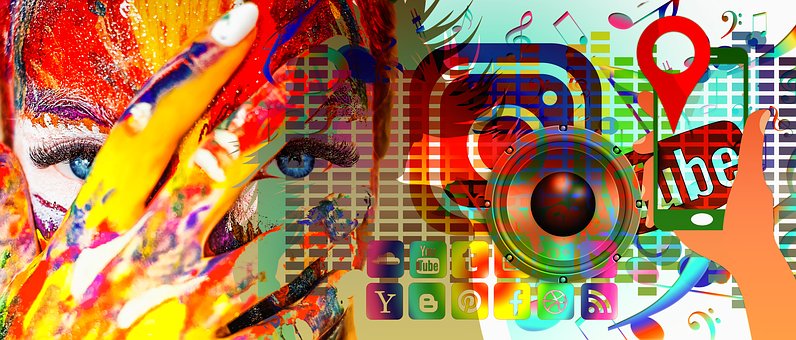
“We don't make mistakes, just happy little accidents” - Bob Ross
“A picture is a poem without words” - Horace
“Every artist was first an amateur” -Ralph Waldo Emerson

Listening is an art that requires work, focus, insight, self-discipline, and skill. Art springs from knowing when to listen …………………….
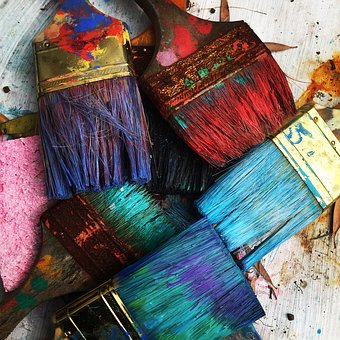
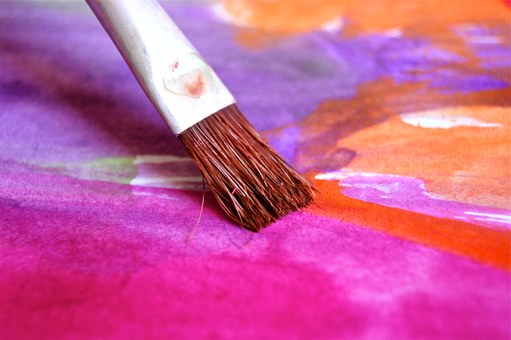
See prior posts: The Texture of Art, Natural Art, Does Street Art Speak to the Marketplace, Painting is Poetry and More
The Texture of Art

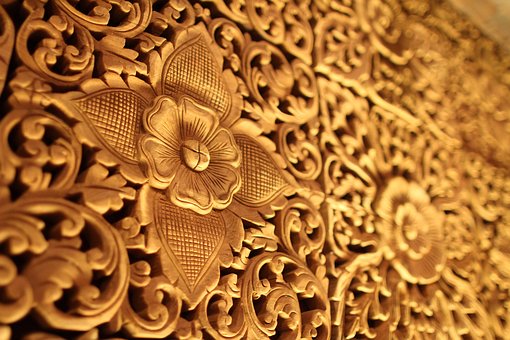
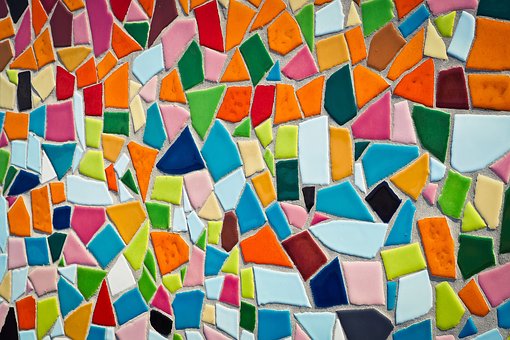
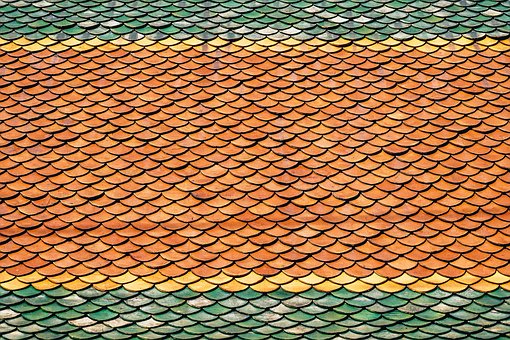
The texture is used to depict depth and dimension. It is an element of two-dimensional and three-dimensional designs and is distinguished by its perceived visual and physical properties. The use of texture, along with other aspects of design, can convey various messages and emotions.
Some things feel just as they appear, called accurate or actual texture. Some things look like they are rough but are smooth. The texture created to look like something it is not is called visual or implied texture.