LinkedIn vs. Your Resume: Why Both Matter in Today’s Job Market

In today’s digital age, technology drives nearly every job search and career transition. Among the many tools available, LinkedIn stands out as one of the most powerful platforms for professionals. It connects you with recruiters, potential employers, and industry peers while also offering insights and opportunities you won’t find elsewhere.
Your résumé is a targeted document—a snapshot of your education, qualifications, and experience tailored to a specific job posting. Each version should be customized to the role you’re applying for, increasing your chances of landing an interview.
By contrast, your LinkedIn profile serves a broader, ongoing purpose. It’s a dynamic, always-accessible representation of your professional identity. Here you can showcase your skills, achievements, and career journey in a way that helps employers find you. LinkedIn’s search algorithms use your profile details to match you with opportunities, making it a critical tool for visibility and networking.
Crafting a Strong LinkedIn Profile
The “About” Section
This is your personal introduction—a summary of your background, skills, and career highlights. Unlike your résumé, it doesn’t need to be tied to a single application. Instead, use it to tell your professional story, showcase your expertise, and demonstrate the unique value you bring.
Experience and Skills
Your experience section should align with your résumé but can expand on details. LinkedIn also allows you to list up to 50 skills—giving you more chances to highlight expertise and appear in recruiter searches.
Networking Power
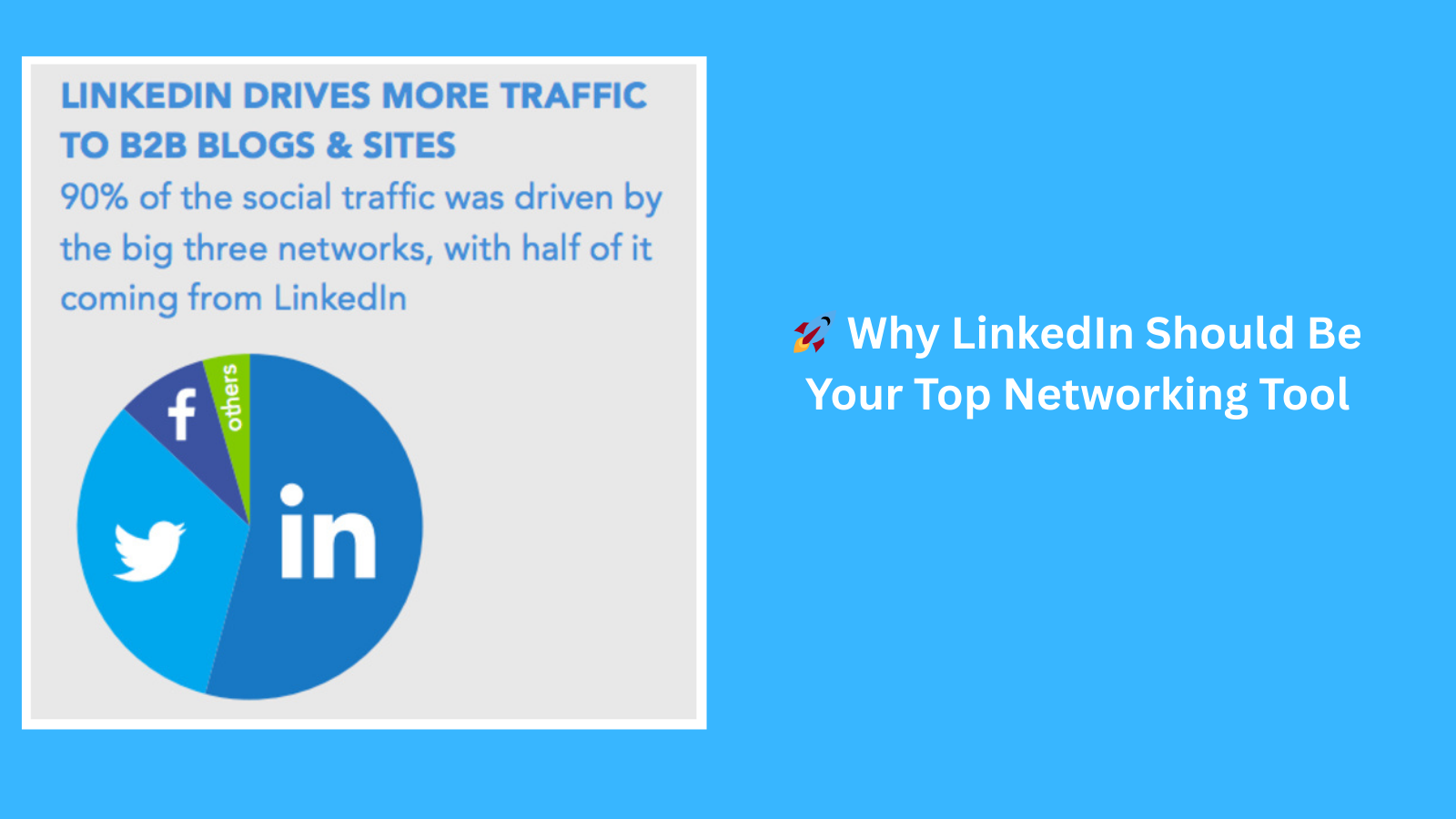
With over 800 million professional profiles, 58 million companies, and 15 million job listings, LinkedIn offers unparalleled networking opportunities. Whether you’re actively job hunting or simply building your professional brand, it’s a space where relationships and opportunities converge.
The Bottom Line
LinkedIn is not just a digital résumé—it’s a career accelerator. By optimizing your profile, you increase your chances of being discovered by employers, expand your professional network, and gain access to opportunities that can shape your future.