Exploring the unexpected connections that shape our lives
Book Reviews, Comments & Stories, Quotes, & Poetry & More
"Connections and Why They Matter"
Most of what happens in our life will spark a connection. Life connects with what has been found in books. Books connect with what happens in life. Use the connections to help you see more clearly. A love of reading and writing is what motivated the creation of this blog. Thank you for coming to the blog.
Sometimes the questions we ask ourselves matter more than the answers we find.
We all reach moments in life when we feel uncertain about our direction. We may question decisions we've made, wonder why familiar patterns keep repeating, or struggle to understand what we really want.
Often, we look outside ourselves for answers. We seek advice, read books, listen to others, or wait for circumstances to change.
But what if some of the answers we're looking for are already within us? What if we simply haven't asked ourselves the right questions?
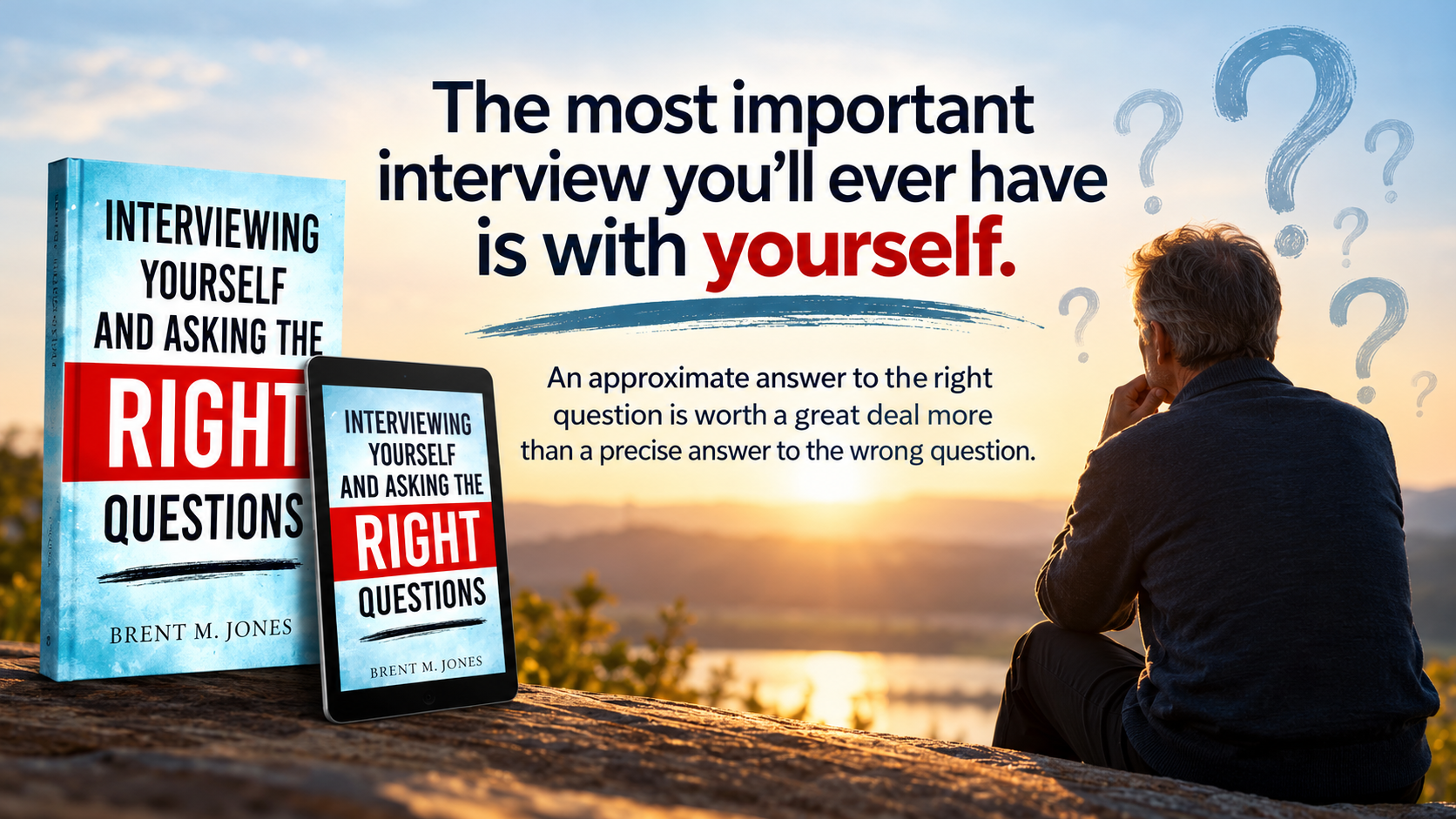
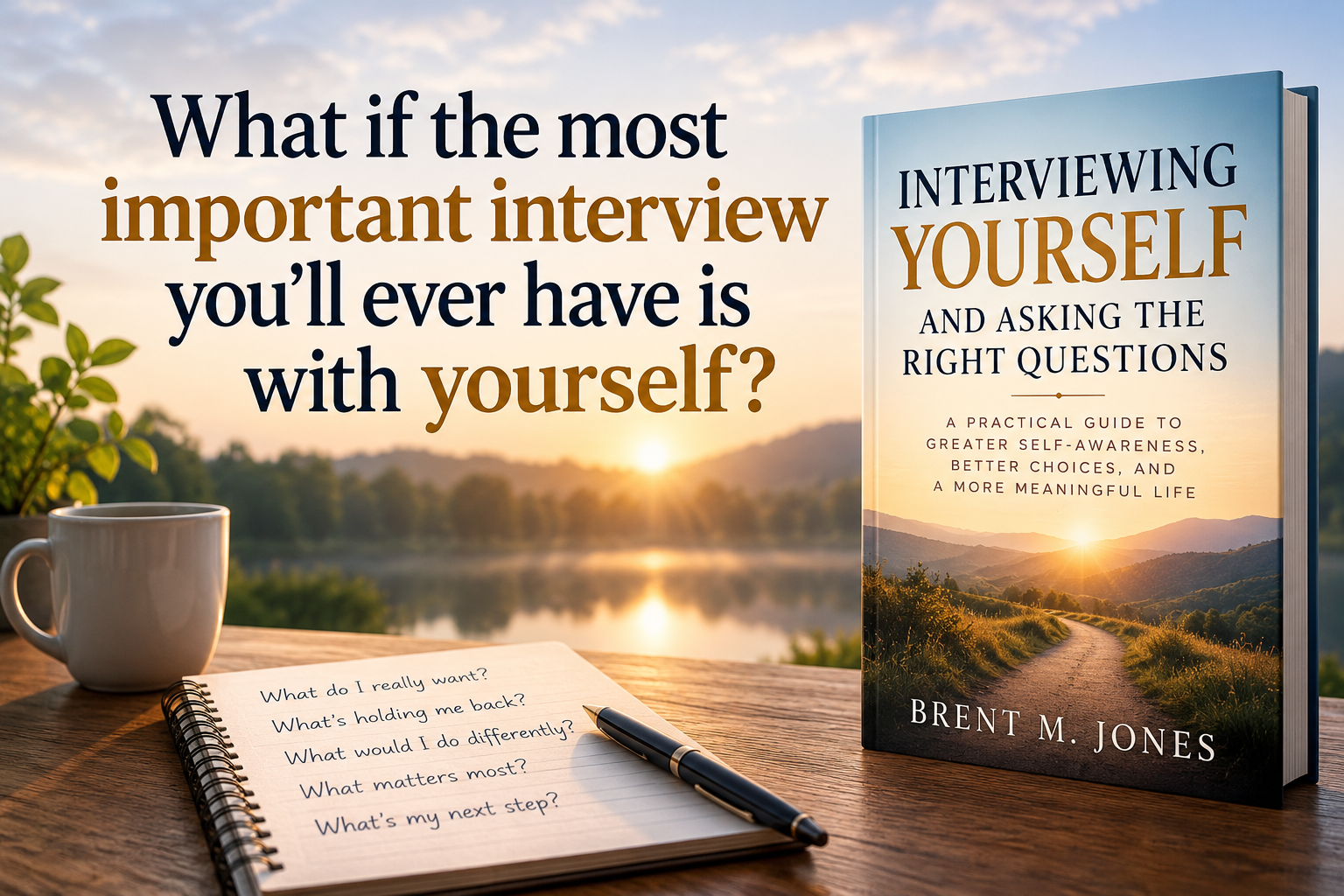
That idea is at the heart of my book, Interviewing Yourself and Asking the Right Questions.
The book explores a simple but powerful possibility: The questions we choose to ask can influence not only the answers we discover but also the direction our lives take.
Why the Questions Matter More Than We Think
We tend to focus on finding answers. We want solutions to problems, explanations for our behavior, and reassurance that we're making the right decisions.
But every answer begins with a question, and the way we frame that question can determine what we're willing to see.
Consider the difference between asking:
Why does this always happen to me?
And asking:
What choices or circumstances have contributed to this situation, and what can I do differently?
The first question may keep us focused on frustration. The second invites examination, responsibility, and the possibility of change.
Neither question guarantees an answer. But they lead our thinking in very different directions.
Our questions shape what we notice, what we consider possible, and sometimes what we choose to do next.
The questions we ask ourselves can become the boundaries of the answers we're willing to consider.
The Most Important Interview May Be the One You Have With Yourself
Throughout our lives, we participate in interviews. We answer questions about our qualifications, experiences, opinions, and goals.
We prepare for those conversations because we understand that the answers may influence important opportunities.
Yet how often do we prepare to interview ourselves?
How often do we seriously examine our assumptions, motivations, priorities, and beliefs?
An honest interview with ourselves requires something more than casual reflection. It requires a willingness to ask questions whose answers might make us uncomfortable.
We may discover that some of our goals no longer matter as much as they once did. We may recognize habits that have limited us or realize that decisions we thought were entirely our own were heavily influenced by the expectations of others.
Self-awareness doesn't always produce comfortable answers. Sometimes it challenges the stories we've been telling ourselves for years.
But that discomfort can be useful.
Understanding ourselves more clearly gives us an opportunity to make choices based on who we are today rather than simply repeating the decisions of yesterday.
Never Ask a Question Unless the Answer Makes a Difference
One of the central ideas in my book is this:
"Never ask a question unless the answer makes a difference."
I don't mean that every question must lead to an immediate decision. Curiosity and exploration have value of their own.
Rather, when we are examining our lives and considering meaningful change, we should think carefully about why we're asking a particular question.
What will we do with the answer?
Are we genuinely seeking understanding, or are we hoping to confirm something we already believe?
Are we willing to reconsider our assumptions if the answer challenges them?
A question becomes especially valuable when we're prepared to let the answer influence our thinking or behavior.
And sometimes the greatest benefit comes not from discovering something new, but from recognizing something we've known for a long time and have been reluctant to acknowledge.
Five Questions Worth Asking Yourself
Meaningful self-reflection doesn't require complicated exercises. Sometimes a few carefully chosen questions can reveal more than hours of unfocused thinking.
Consider these five:
1. What do I believe about myself that may no longer be true?
Our identities are shaped by experience, relationships, successes, and disappointments. But the conclusions we reached years ago may no longer describe who we've become.
2. Am I making this choice because it's right for me or because it's what others expect?
The influence of family, friends, professional expectations, and social pressures can be difficult to separate from our own priorities.
3. What patterns keep repeating in my life, and what role do I play in them?
Not everything that happens to us is within our control. But examining our responses and decisions may reveal opportunities to approach familiar situations differently.
4. What am I avoiding because the answer might require me to change?
Sometimes uncertainty feels safer than clarity. Knowing what needs to change can create an uncomfortable responsibility to act.
5. If I could begin again with what I know today, what would I do differently?
We cannot rewrite the past, but we can use what we've learned to influence the choices still ahead of us.
These questions aren't intended to produce perfect answers. Their purpose is to encourage a more thoughtful conversation with ourselves.
Change Begins With Understanding, but It Doesn't End There
Self-reflection is valuable, but understanding alone doesn't necessarily change our lives.
We can recognize an unhelpful habit and continue repeating it. We can identify a goal without taking the steps necessary to achieve it. We can understand why we made a poor decision and still make a similar one again.
That's why interviewing yourself involves more than asking questions.
It also means considering what your answers reveal and accepting responsibility for the choices within your control.
There is an important difference between recognizing what needs to change and deciding what you're willing to do about it.
Real growth often happens gradually, through small adjustments in how we think, respond, and make decisions.
The objective isn't to become someone entirely different. It is to understand ourselves well enough to make more intentional choices about the person we're becoming.
Your Life Is Still an Unfinished Story
One of the things I've come to appreciate is that our understanding of our own lives changes over time.
Events that once seemed insignificant may eventually become meaningful. Decisions we considered mistakes may lead to unexpected opportunities. Experiences we thought we understood may take on different meanings as we grow older.
Our past doesn't change, but the way we interpret it often does.
That is one reason asking ourselves questions remains valuable throughout life.
The questions that mattered when we were younger may be very different from those we ask later. Our priorities evolve, our circumstances change, and our understanding of what matters becomes more personal.
We never reach a point where there is nothing more to learn about ourselves.
And perhaps that's the greatest value of interviewing yourself. It reminds us that self-understanding isn't a destination. It's an ongoing conversation.
About the Book: Interviewing Yourself and Asking the Right Questions
In Interviewing Yourself and Asking the Right Questions, I explore how thoughtful self-examination can help us better understand our motivations, challenge assumptions, clarify goals, and take greater responsibility for our decisions.
The book offers a practical approach to asking meaningful questions, understanding the answers, and using that understanding to guide personal and professional growth.
It isn't about finding a perfect version of yourself or pretending that every circumstance is within your control.
It's about becoming more aware of who you are, what matters to you, and how your choices influence the life you're creating.
Sometimes the most meaningful change begins with a question we haven't yet had the courage to ask.