Exploring the unexpected connections that shape our lives
Book Reviews, Comments & Stories, Quotes, & Poetry & More
"Connections and Why They Matter"
Most of what happens in our life will spark a connection. Life connects with what has been found in books. Books connect with what happens in life. Use the connections to help you see more clearly. A love of reading and writing is what motivated the creation of this blog. Thank you for coming to the blog.
The best networking conversations aren't about asking for a job. They're about asking the right questions, listening carefully, and building relationships that lead to better opportunities.
Think about the people whose friendships and relationships you value most. Chances are, they ask thoughtful questions, listen to your answers, and show genuine interest in what you have to say.
In many ways, they're already practicing the skills that make informational interviews so valuable.
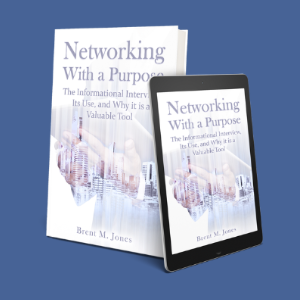
An informational interview is a conversation with someone who has knowledge or experience you want to understand. Unlike a job interview, its purpose isn't to secure employment. It's to learn.
For job seekers, these conversations can provide insights that job postings, company websites, and online research rarely offer.
Three Things Every Job Seeker Should Understand
Before pursuing a position, you should understand three things:
The industry: How does it operate? Who are the major competitors? What trends and challenges are shaping its future?
The company: What makes it successful? How does it compare with competitors? What is its culture, and where might your experience fit?
The job: What does the work actually involve? Which skills matter most? How do people in similar positions describe their responsibilities?
Informational interviews help answer these questions through firsthand experience.
Someone working in your target industry can explain its terminology, competitive environment, and opportunities. A current or former employee may offer insights into a company's culture and expectations. Someone performing the job you want can explain what success requires.
This knowledge helps you make better career decisions and prepares you to speak more confidently when an actual job interview comes along.
Your Existing Network Is the Best Place to Start
Many people underestimate the network they already have.
Former coworkers, supervisors, customers, suppliers, competitors, friends, neighbors, and professional acquaintances may know someone in the industry or company you're researching.
You don't need to know the right person directly. You may only need to know someone who can introduce you.
LinkedIn makes identifying potential contacts easier, but finding a name isn't the same as building a relationship.
A brief personal conversation, whether face-to-face, by telephone, or through video, often provides insights that exchanging online messages cannot.
The goal isn’t to collect contacts. It's to develop relationships through meaningful conversations.
How to Conduct an Effective Informational Interview
Begin by asking someone in your network for an introduction. Explain that you're researching an industry, company, or position and would appreciate 15 to 30 minutes with someone who knows it well.
Before the conversation, research the person's background and prepare a few thoughtful questions.
Ask about their career path, the challenges facing their industry, the skills employers value, and what they would recommend to someone exploring similar opportunities.
Listen carefully, especially to the language they use. Understanding an industry's terminology can help you communicate more effectively with future employers.
At the end, thank them and ask whether they might suggest someone else who could offer another perspective.
Follow up with a personal thank-you message.
And remember one essential rule: Don't turn an informational interview into a request for employment.
You're there to learn and build a relationship. Job opportunities may follow, but they shouldn't be the immediate expectation.
Networking Should Continue Throughout Your Career
Informational interviews aren't just for people entering the workforce or actively seeking employment.
Experienced professionals benefit from them, too.
Industries change. Technology advances. Skills that were valuable ten years ago may need updating. Conversations with people working in different companies or related industries help professionals remain informed and recognize opportunities they might otherwise overlook.
The most effective networkers also understand that relationships work both ways.
Share useful information. Make introductions when appropriate. Offer encouragement and assistance without expecting an immediate return.
When people recognize that you genuinely want to help them succeed, they're more likely to remember you when opportunities arise.
The Real Purpose of Networking
An informational interview may eventually lead to a job, but its immediate value is greater understanding.
It helps you discover where your experience fits, what you still need to learn, and which opportunities deserve your attention.
Networking with a purpose means building relationships that make both people better informed, better connected, and better prepared for what comes next.
The right conversation may not produce a job offer today. It may, however, introduce you to the person, knowledge, or opportunity that changes your career tomorrow.