By Kurt Brown
When your calendar is full and your life outside work needs attention, staying ready for a new job can feel like another job in itself. There is always a resume to update, a connection to make, or a skill to learn. The pressure to remain marketable can leave you feeling as though you should never switch off.
But being prepared does not require a constant job search. A small, regular investment in your resume, relationships, and skills can help you respond to opportunities without letting career preparation take over your evenings.
Make Career Readiness a Routine
Career readiness starts with three basics: keeping your resume current, maintaining professional relationships, and developing useful skills. These are easier to manage when you give them a little attention regularly. Even checking that your contact information is up to date removes one small obstacle before you need to apply.
Professional relationships matter because people can introduce you to opportunities, share useful context, and help others understand what you bring to a role. This discussion of the importance of networking reinforces the value of staying connected before you need a referral.
Think of it as keeping your passport valid. You do not have to be planning a trip to benefit from being ready. Updating a recent accomplishment or checking in with a former colleague gives you less to catch up on when an interesting opportunity appears.
Use Workforce Insights to Choose a Focus
Staying informed is useful when it helps you decide where to put your effort. It becomes less useful when every headline makes you feel behind.
Choose a few resources relevant to your work. Research such as UoPX workforce insights can offer a broader perspective on careers and workforce issues. Compare what you read with the requirements in job descriptions that genuinely interest you. Look for recurring skills and responsibilities rather than reacting to every new trend.
Then ask one practical question: What is one thing I could strengthen that would help me in my current work and prepare me for the kind of role I might want next? Let that answer guide your attention for the next few weeks.
Try a 15-Minute Weekly Tune-Up
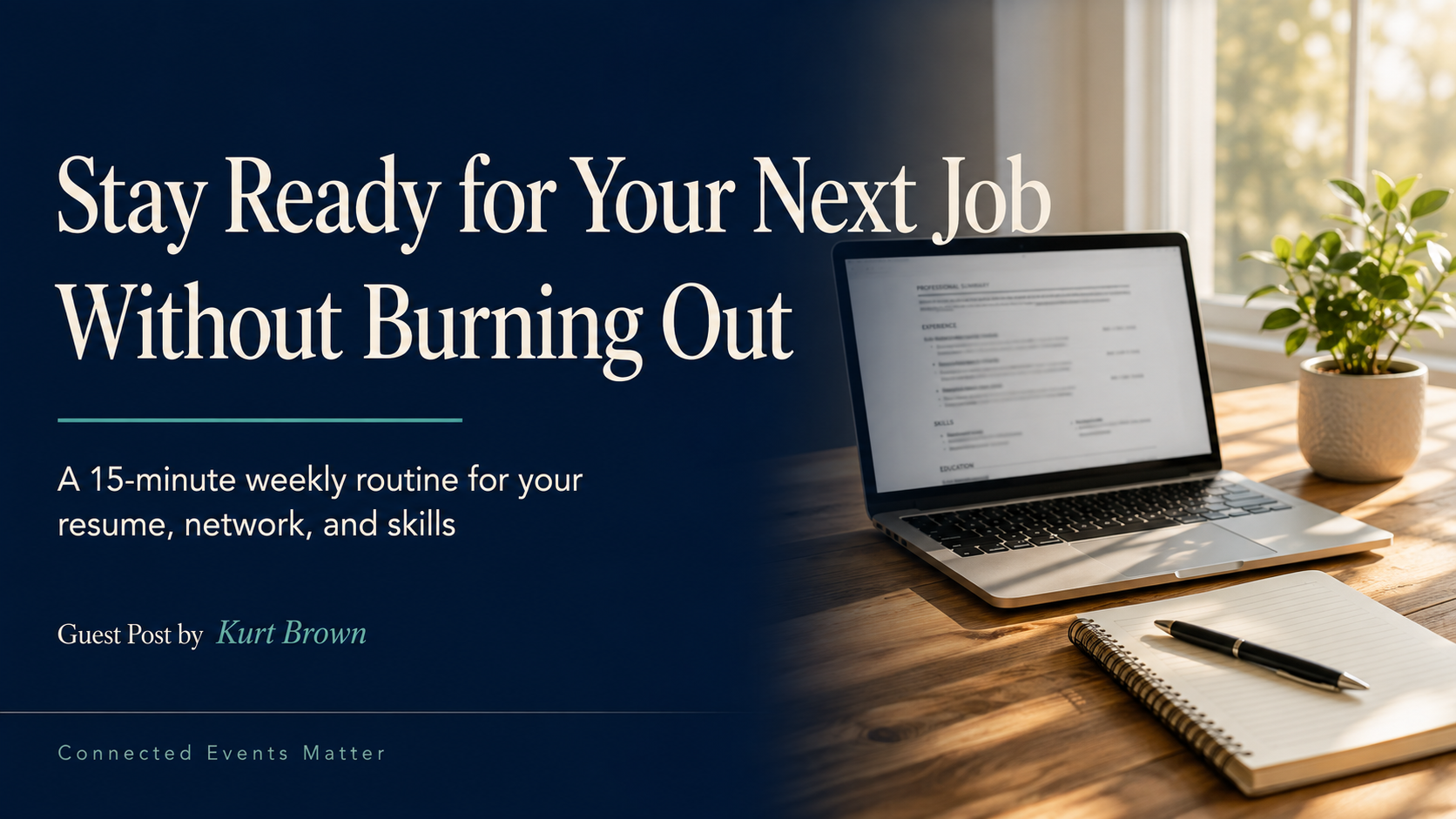
Set aside one recurring 15-minute appointment each week. Divide it into five minutes for your resume, five for your network, and five for a skill. This is a maintenance routine. Larger projects can have their own scheduled time when you need it.
Five Minutes: Update One Resume Line
Open your resume or LinkedIn profile and improve one item. Add a recent accomplishment, clarify a responsibility, or include a measurable result where you have one. Focus on work that demonstrates the abilities your target roles require.
If you cannot find the right wording immediately, record the facts in a running accomplishments note: what you did, why it mattered, and what changed. You can polish the language later. Capturing the details while they are fresh is the useful part.
Five Minutes: Make One Meaningful Connection
Send a brief message to a former colleague, congratulate someone on a new role, or share something relevant to their work. You might write: “I saw your update about the new project. What have you found most interesting about it so far?”
The advice to be yourself, show interest in others is a useful starting point. A message feels more natural when you have a genuine reason to send it and give the other person something specific to respond to.
If a direct message feels like too much that week, leave a thoughtful comment on a post or follow up on an earlier conversation. Choosing a regular day to check in with your connections can make this a manageable habit. One sincere interaction is enough for your weekly check-in.
Five Minutes: Practice One Useful Skill
Choose a skill that appears repeatedly in the roles you are considering. Spend five minutes on one small exercise: try a spreadsheet function, revise a paragraph in a report, or watch a short tutorial segment and apply one idea.
Keep a simple “Proof of Skill” note with examples, screenshots, or a brief account of what you practiced. Over time, those notes can help you describe your progress in an interview and identify where you need more practice.
Five minutes will not be enough for every learning task. If a skill needs deeper work, schedule a separate session with a clear objective and a realistic stopping point. The weekly routine helps you keep it in view.
Stop When the Time Is Up
The time limit is part of the routine. When the 15 minutes are over, write down anything you want to return to and close your files. An unfinished task can wait for a planned session.
During a demanding week, make the routine smaller. Capture one accomplishment or send one message. There is no backlog to repay and no reason to turn a missed week into a lost weekend. Your preparation should fit alongside your work, relationships, and rest.
Common Questions
What if networking still feels awkward?
Start with people you already know and subjects you genuinely care about. Thinking of networking as nurturing an ecosystem can help: relationships grow through attention, shared interests, and mutual support. You do not need to turn every conversation into a request or an opportunity.
What if career preparation is adding to my exhaustion?
If the extra tasks leave you dreading another commitment, reduce them or pause them. Discussions of burnout often describe deep-seated exhaustion, which deserves more attention than a productivity adjustment. Do not turn staying prepared into another test of how much you can endure.
What if I hate updating my resume?
Keep a running note of accomplishments instead. Include a problem you solved, a project you completed, or useful feedback you received. When you return to your resume, you will have specific material to work with rather than trying to reconstruct months of work from memory.
Be Ready Without Being Always On
You can value the job you have and still prepare for what might come next. A current resume, a few maintained relationships, and steady practice give you a place to start when your circumstances or interests change.
Choose a 15-minute slot this week. Improve one resume line, connect with one person, and practice one useful skill. Then stop and give the rest of your day your attention.
Informational interviews offer a practical way to build those relationships. Read “Informational Interviews: Networking With a Purpose” for a closer look at how thoughtful conversations can help you explore career options and learn from others’ experience.