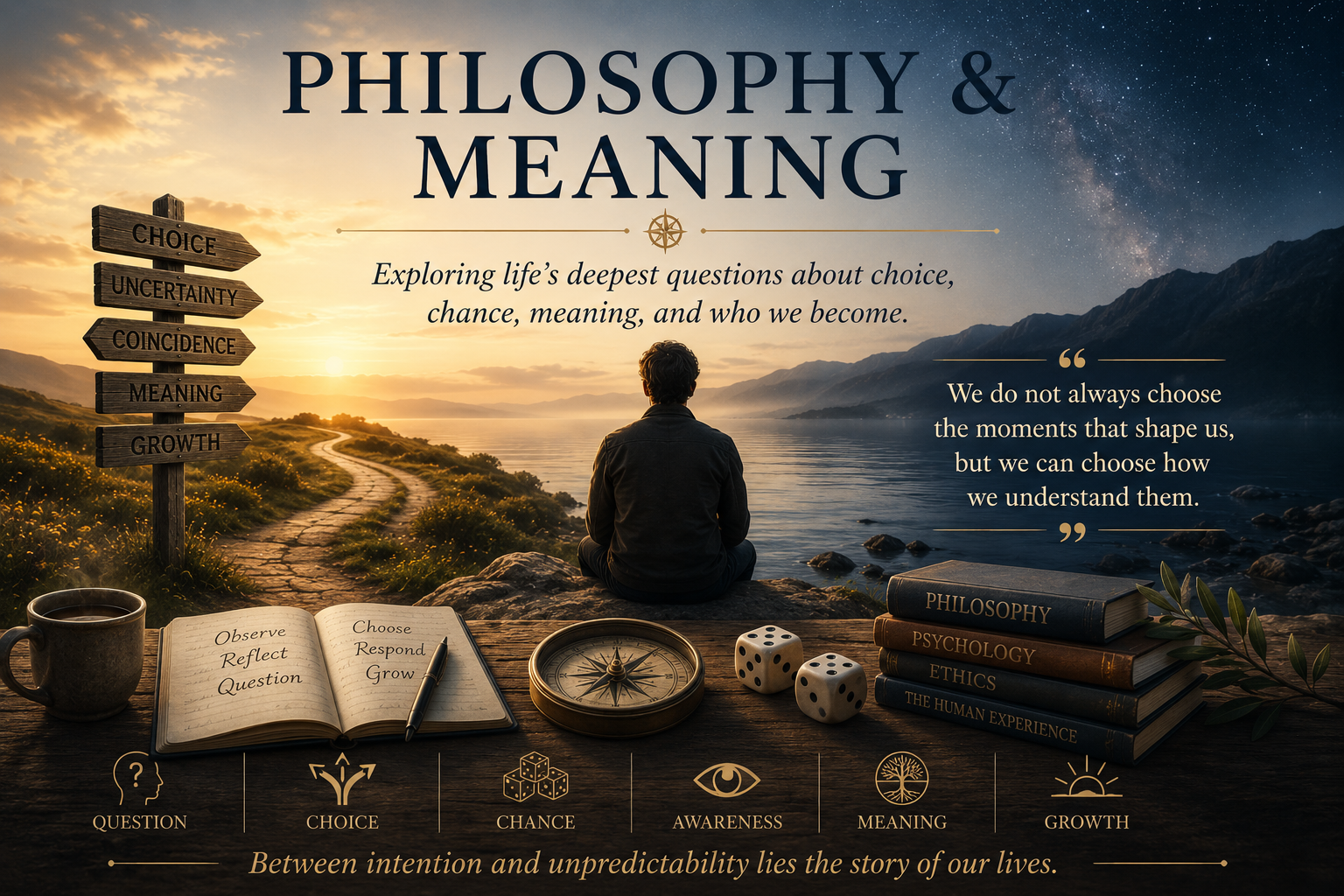
Long before the modern self-help industry existed, ancient Greek and Roman philosophers were asking the same questions many readers still carry today. How should I live? What leads to a good life? What does it mean to flourish?
Thinkers like Aristotle, Plato, Socrates, and others weren’t writing to motivate or market. They were trying to understand happiness, character, and moral responsibility. Their work focused on ethics, reason, self-knowledge, and the habits that shape a meaningful life.
What makes their writing feel surprisingly modern is its practicality. These philosophers weren’t interested in abstract theory alone. They believed reflection should change how a person lives. Their students were encouraged to examine their actions, values, and assumptions, not just admire ideas from a distance.
In many ways, today’s self-help books continue this same tradition. They invite readers to pause, take inventory, and become more intentional. The language has changed, but the underlying goal has not. Growth begins with awareness. Improvement follows attention.
We all have parts of our lives we want to understand better and skills we hope to develop. A good self-help book doesn’t promise transformation overnight. It offers a starting point. A framework. A way of thinking that encourages responsibility, resilience, and clarity.
The ancient philosophers understood something that still matters now: a better life doesn’t come from shortcuts or slogans, but from sustained reflection and deliberate practice.
In that sense, the distance between philosophy and modern self-help isn’t very wide at all.
If these ideas resonate, they are explored more fully in my book Philosophers Are Self-Help Authors and throughout the What Matters essay collection, where I return to the same enduring questions about meaning, attention, and how we shape our lives through reflection.