Originally published February 26, 2021 | Updated November 2026
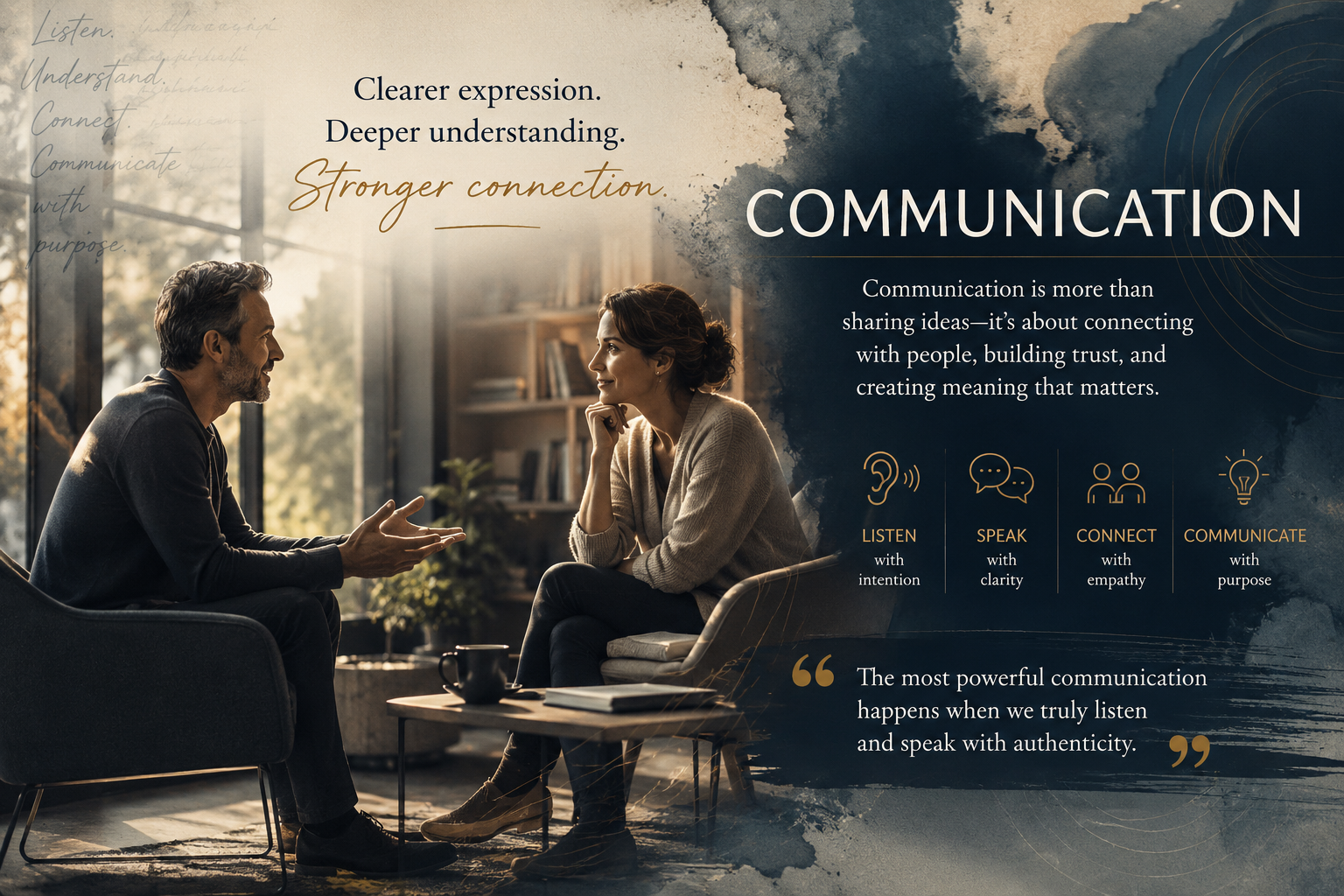
How much do we communicate without ever saying a word?
Think about the last conversation you had. You probably remember some of what was said. But do you remember the other person's facial expressions, posture, eye contact, or tone of voice?
Perhaps they smiled while telling you everything was fine, but something about their expression suggested otherwise. Maybe they listened without interrupting, yet their body language made you wonder whether they were interested.
Communication involves much more than the words we choose. Sometimes, what we communicate without speaking has as much influence on how we are understood as the words themselves.
Nonverbal communication is one of the most important parts of human interaction because it influences how we interpret emotions, intentions, attitudes, and relationships.
Learning to recognize these signals can improve our conversations, strengthen relationships, and help us become more thoughtful communicators.
Why Nonverbal Communication Matters
Communication is one of life's most valuable skills. It allows us to share experiences, express feelings, exchange information, and understand one another.
Yet effective communication requires more than speaking clearly. It also requires paying attention to how our messages are received and recognizing what others may be communicating beyond their words.
Our nonverbal behavior can reinforce what we say, contradict it, or add meaning that words alone cannot convey.
When our expressions, gestures, and tone align with our words, we often appear more sincere and trustworthy. When they conflict, people may become uncertain about what we really mean.
For example, imagine someone saying, "I'm happy to help," while avoiding eye contact, speaking impatiently, and turning away.
The words express willingness, but the nonverbal signals suggest something different.
That doesn't necessarily mean the person is being dishonest. They might be distracted, uncomfortable, or dealing with something unrelated to the conversation.
This illustrates an important principle: Body language provides clues, not proof.
Understanding nonverbal communication means considering the person, the situation, and the combination of signals rather than drawing conclusions from one gesture.
1. Gestures, Hand Movements, and Body Language
Our hands and bodies often communicate alongside our words.
We point, wave, nod, shrug, and move our hands to emphasize ideas. These gestures can make conversations more expressive and help others understand what we mean.
Consider how differently a message might be received when someone speaks enthusiastically with open gestures compared with someone who appears withdrawn or physically tense.
Neither style automatically reveals a person's true feelings, but both can influence how others interpret the interaction.
Gestures also vary across cultures. A movement considered friendly or respectful in one setting may have a different meaning elsewhere.
What to practice: Become aware of your own gestures. Do they reinforce your message, distract from it, or unintentionally create distance?
2. Facial Expressions: The Emotions Behind Our Words
Our faces are among our most expressive communication tools.
A smile can communicate warmth, friendliness, or encouragement. A frown may suggest concern or disagreement. Raised eyebrows might indicate surprise, curiosity, or uncertainty.
Facial expressions often influence the emotional tone of a conversation before anyone has spoken.
Think about the difference between being greeted by someone who smiles naturally and someone whose expression appears impatient.
Even when both say exactly the same words, the experience can feel very different.
However, facial expressions are not always straightforward. People sometimes smile when nervous, conceal disappointment, or appear serious when concentrating.
What to practice: Pay attention to whether your facial expressions support the feelings and intentions you want to communicate. When interpreting others, avoid assuming that one expression tells the entire story.
3. Eye Contact: Showing Attention and Interest
Eye contact can be a powerful way of communicating attention.
When someone looks toward us during a conversation, we often interpret it as a sign that they are listening and interested.
Appropriate eye contact can help establish connection, especially when discussing important or personal subjects.
But eye contact is also highly individual.
Some people naturally maintain more eye contact than others. Cultural expectations, personality, neurodiversity, anxiety, and the circumstances of a conversation can all influence how comfortable someone feels looking directly at another person.
Avoiding eye contact does not automatically indicate dishonesty or disinterest.
What to practice: Use comfortable, natural eye contact while listening. The objective is not to stare but to communicate that the other person has your attention.
4. Posture: How We Present Ourselves
The way we sit, stand, and position our bodies can influence how others perceive us.
Leaning slightly toward someone may suggest engagement. Turning away might be interpreted as a desire to end the conversation. Sitting upright can sometimes convey confidence or attentiveness.
Even small changes in posture can affect the atmosphere of an interaction.
Consider a job interview.
An applicant who sits comfortably, faces the interviewer, and appears attentive may create a different impression from someone who continually turns away or seems distracted.
Yet posture alone cannot reliably reveal confidence, honesty, or interest. Physical discomfort, fatigue, disabilities, and personal habits can all influence how someone sits or stands.
What to practice: Notice whether your posture communicates the attention and respect you intend. Try to remain comfortable and engaged rather than forcing yourself into an unnatural position.
5. Personal Space: Respecting Physical Boundaries
The physical distance we maintain between ourselves and others communicates something about our relationships and comfort levels.
We generally stand closer to people with whom we have personal relationships than to strangers or professional acquaintances.
However, expectations about personal space differ among individuals, cultures, and situations.
Standing too close may make someone uncomfortable, even when our intentions are friendly. Standing too far away may sometimes create an impression of detachment.
Understanding personal space requires sensitivity to the other person's reactions.
If someone steps backward, for example, giving them more room may be a considerate response.
What to practice: Respect personal boundaries and recognize that your preferred conversational distance may not be the same as someone else's.
6. Tone of Voice: It's Not Just What We Say
Words carry information, but our voices influence how that information is understood.
Pitch, volume, pace, pauses, and emphasis can dramatically change the meaning of a sentence.
Consider the simple phrase:
"I'm glad you're here."
Spoken warmly, it can express genuine appreciation. Spoken impatiently or sarcastically, the same words may communicate an entirely different message.
Tone can express encouragement, frustration, enthusiasm, uncertainty, or compassion.
It can also influence whether people feel comfortable continuing a conversation.
One of the most valuable communication skills is learning to recognize how our tone affects others.
What to practice: Listen to yourself during conversations, especially when discussing something important or emotionally charged. Does your tone support the message you want the other person to receive?
7. Touch: Communicating Through Physical Contact
Touch can communicate reassurance, affection, encouragement, or support.
A handshake may establish a professional greeting. A hug can express affection. A gentle touch on the shoulder may communicate comfort in an appropriate relationship.
However, physical contact is particularly dependent on personal boundaries, culture, and circumstances.
A gesture intended as friendly may be unwelcome or uncomfortable to someone else.
Even handshakes can carry different expectations. A firm handshake may be interpreted positively in some professional settings, but the strength of a handshake tells us little about someone's actual character or abilities.
What to practice: Respect the other person's comfort and preferences. Meaningful communication depends on consideration, not simply on our intentions.
Understanding Others Requires More Than Reading Body Language
Recognizing nonverbal signals can help us become more observant, but observation is not the same as understanding.
We sometimes make quick judgments about others based on their expressions, gestures, or posture.
Someone who crosses their arms might appear defensive. But they could simply be cold, comfortable in that position, or concentrating on what is being said.
Someone who speaks quietly may be mistaken for lacking confidence when they are simply thoughtful or reserved.
The danger comes when we confuse our interpretation of someone's behavior with knowledge of what they are actually thinking.
Effective communication requires curiosity, patience, and a willingness to question our assumptions.
Rather than deciding what another person feels, we can ask thoughtful questions and listen carefully to the answers.
Body language should help us become more attentive, not more judgmental.
Becoming More Aware of Our Own Nonverbal Communication
We often focus on learning how to read other people, but there is another side to nonverbal communication that deserves equal attention.
What are we communicating to others?
Do our facial expressions show interest when someone is speaking?
Does our tone communicate respect, even when we disagree?
Are we listening to understand, or are we simply waiting for an opportunity to respond?
These questions matter because effective communication is not simply about delivering a message. It is about creating understanding.
When we become more aware of our own expressions, gestures, posture, and tone, we can begin to recognize how others may experience conversations with us.
This awareness can strengthen personal relationships, improve professional interactions, and help prevent misunderstandings.
And like most communication skills, it can improve with attention and practice.
What We Communicate Without Words May Matter Most
Our words tell people what we want them to know.
Our nonverbal behavior often influences how they experience what we say.
A thoughtful expression, a patient pause, a welcoming smile, or a respectful tone can make someone feel heard and valued.
Sometimes these small signals are remembered long after the conversation itself has been forgotten.
Perhaps the most important lesson about nonverbal communication is not simply learning to read other people.
It is learning to become more aware of how our own behavior affects the people around us.
Because communication is not just about what we intend to say.
It is also about what others experience when we say it.
And that difference can shape the quality of our relationships, our conversations, and the connections we build throughout our lives.
Brent M. Jones writes about communication, personal growth, relationships, and the everyday experiences that shape how we understand ourselves and others at Connected Events Matter