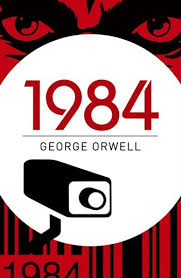
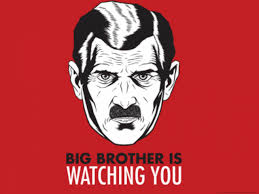
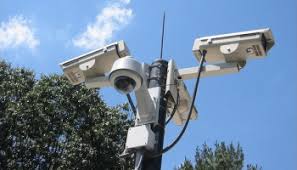
1984 takes place in Oceania, specifically Airstrip One (formerly Britain), during a perpetual war. The Party controls every aspect of life through constant surveillance and telescreens. Even language is being reshaped—Newspeak is replacing Oldspeak—in order to limit thought and ensure loyalty. By shrinking language, the Party makes independent thinking and even truth itself harder to maintain. The Thought Police enforce these rules, and everything ultimately answers to Big Brother.
Winston Smith is a member of the Outer Party who works at the Ministry of Truth, where he alters historical records to match the Party’s current narrative. Although he understands what he is doing, he suppresses his doubts. Secretly, he hates the Party and begins a forbidden relationship with Julia. He believes O’Brien shares his views, but O’Brien is loyal to the Party and betrays him. Winston is arrested and tortured in the Ministry of Love, where he is psychologically broken—especially in Room 101, where he faces his worst fear. In the end, he betrays Julia and is reshaped into someone who genuinely loves Big Brother.
The novel is widely regarded as one of the most important works of the 20th century, and the term “1984” has come to represent extreme government control and manipulation of truth.
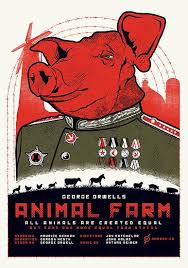
1984 and Animal Farm are both satirical works that explore the corruption of power. Inspired in part by Stalin’s Russia, they show how systems that promise equality can become oppressive.
Reading 1984 doesn’t determine your politics, but it does make you more aware of how power can shape reality, language, and belief