William Shakespeare (1564–1616) was an English poet, playwright, and actor whose influence on the English language and on storytelling is unmatched. He’s often called the greatest writer in the English language, and it’s hard to argue with that. Few authors have shaped a language the way Shakespeare shaped ours. His command of diction—his instinct for the exact word—expanded English in a way no one else has. Scholars estimate he used more than 20,000 words across his works and coined roughly 1,700 of them.
For anyone who cares about writing, Shakespeare becomes more than a historical figure; he’s a reminder of what language can do when imagination and precision meet. His impact reaches into every corner of literature. Many writers influence other writers. Shakespeare influenced the language itself. That’s a different level of legacy.
The New York Times, quoting Harold Bloom, once wrote that “after 400 years, Shakespeare’s genius is alive and well.” Bloom took that further, calling The Complete Works of William Shakespeare a kind of “secular scripture” — a source we draw from when we talk about human nature, emotion, psychology, and even myth. Bloom, a longtime Yale professor and one of Shakespeare’s most dedicated interpreters, is almost impossible to avoid when discussing Shakespeare’s reach and relevance.
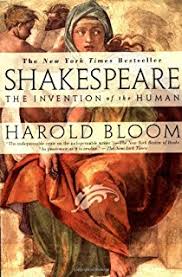
Samuel Johnson said, “The essence of poetry is invention,” and invention is where Shakespeare excelled. Bloom used that idea to title his own book Shakespeare: The Invention of the Human, arguing that Shakespeare didn’t just create stories — he created characters with such depth, contradiction, and inner life that they felt unprecedented. They weren’t just believable; they were revelatory.
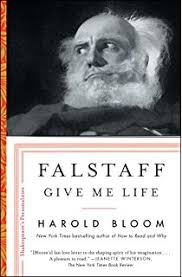
Good authors often say they discover their characters first, that the story reveals itself once they learn who those characters are. Shakespeare’s characters don’t just reveal plots — they reveal themselves in layers. They surprise, they shift, they grow. Falstaff and Hamlet, Bloom said, were “free artists of themselves,” constantly reshaping who they were through their choices. Shakespeare’s gift wasn’t just language; it was the way he used diction to open a window into the human mind.
Four centuries later, we still turn to Shakespeare because he understood people. And when language and insight come together at that level, they don’t fade. They stay.
Quotes
“Shakespeare is the happy hunting ground of all minds that have lost their balance.”
“With mirth and laughter, let old wrinkles come.”
“With mirth and laughter, let old wrinkles come.”
“Et Tu, Brute?”
“Wise “All's well that ends well.”
“Better a witty fool than a foolish wit.”