

The Joy of Painting with Bob Ross/ and comments on Bob
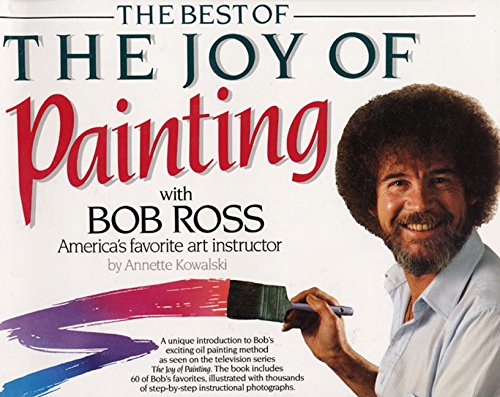
The Joy of Painting with Bob Ross
Painter of the Happy Little Tree
This post on Bob Ross may be a little surprise. Many will not remember him. His show on television (1983 - 1994) was a delight to watch. He would talk with his soft voice while he painted. He would talk about what he was painting and the approach he was using. He really had a talent and when he painted a tree it was like magic. It just came into existence right in front of your eyes.
Often he would take his brush to a place and begin to paint and would say that he was painting a "Happy Little Tree". Loved it when he did that. I have thought of that phrase so many times over the years. O yes, "A Happy Little Tree". Bob Ross had a passion for what he loved.
I was surprised looking at Amazon, where his book is listed and can be bought, that you can go to a merchandise list for Bob Ross items. You can, for example, buy Bob Ross Socks. Wow! That is interesting.
Passion for what you love is the message that Bob still conveys.
bird by bird by Anne Lamott
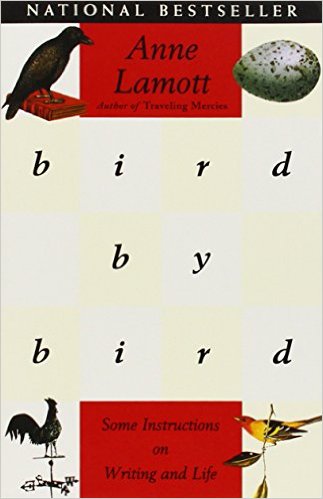
Bird by Bird: Some Instructions on Writing and Life by Anne Lamott
Books about writing. especially those that are done by someone who is very skilled at the process, give you a boost and renew you.
Carolyn See, Natalie Goldberg, Mary Karr, Anne Lamott, Anne Dillard and a few others are all very talented, and it is just a pleasure to read what they write about writing.
Anne Lamott's seems to have been born a writer. I mean most of these talented people loved writing and books from an early age, but she really seems to have been a actual writer at an early age.
Her father was a writer and her accounts of her early life and his influence are a unique side of her. In this book she transitions into her chapters on writing technique from her own life story and the advice her father gave her brother. The book took it's name from that advice where he counseled him to tackle his story on birds, one bird at a time.
Her advice on writing is pretty basic, but it just feels different. It is her ability to offer simple advice in such a easy to read, free flowing style, that is so effective. You find yourself relaxing and just enjoying her language and her perspective on the process.
Some authors seem to put an unusual word or phrase into the dialog to "wake you up", but with Anne she evolves quite naturally from instruction to the language of life itself.
It is a good book and it can help you go back and "sharpen the saw" as Steven Covey would say.
Into the Water Paula Hawkins /and will her new book do well?
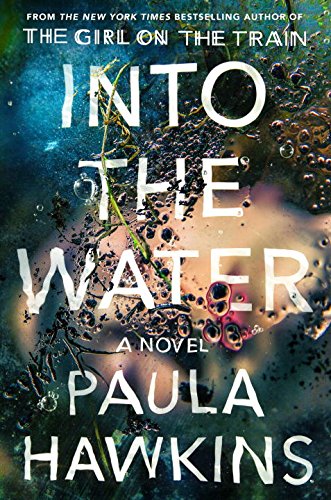
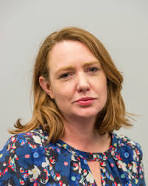
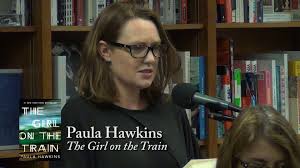
Into the Water Hardcover by Paula Hawkins
Paula Hawkins is a British author who wrote "The Girl on the Train". It has been published in over forty languages, has been a #1 bestseller around the world, and is now a major motion picture starring Emily Blunt. The book is a psychological thriller novel which deals with themes of domestic violence, alcohol, and drug abuse. The books success is amazing. Amazon has over 56,000 reviews for the book. Even though the overall rating is 4 stars out of 5 there are negative comments and people have mixed comments. The negatives are that book is a “fast read”. The plot moves you quickly, but it doesn’t stick with you too long when you finish.
With this kind of former success, and another book coming, you wonder how the new book will do?
I wanted to know more about this author? She worked as a journalist for fifteen years before turning her hand to fiction. She was born and brought up in Zimbabwe. Paula moved to London in 1989. She moved to darker fiction as a style after her book The Money Goddess: The Complete Financial Makeover was released in 2007.
"Into the Water", is scheduled to be released May 2, 2017. It is her second dark fiction thriller.
Will “Into the Water” do as well as “The Girl on the Train”? We will have to wait to see. The book will be released on May 2nd, 2017.
You can click on the book link and order it here through Amazon or just put it on your to buy list.
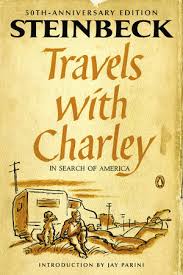
Travels with Charley In Search of America by John Steinbeck
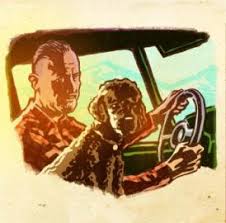
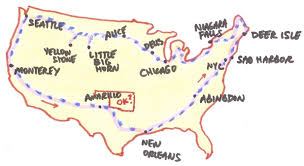
This is a book that surprises you. It surprises because reading Steinbeck isn't like this, I thought. Yes it is about the land but it is about the man, the dog, and the camper crossing it.
It was first published in 1980 and told the story of a 1960 road trip the author had taken. The three key characters in the plot are Steinbeck, the dog, and the camper.

His dog is a French Poodle named Charley who is the perfect dog for Steinbeck. The pick up truck is a camper that he created, ahead of his time, and was named Rocinnte.
It seems likely that Steinbeck gave some thought to choosing the name, Rocinante, which was also the name of Don Quixote's horse in the novel Don Quixote by Miguel de Cervantes. In many ways, Rocinante was not only Don Quixote's horse, but also his double: like Don Quixote, he was awkward, past his prime, and engaged in a task beyond his level of skill.
Steinbeck wrote that he was moved by a desire to see his country on a personal level, since he made his living writing about it. I felt like I was learning about the land and the people through his eyes. The dog was an important character in this story and seeing the land through Steinbeck’s eyes was the story.
I had never had a high regard for French Poodles but apparently I was wrong.
Quotes
“I was born lost and take no pleasure in being found.” ..
“I have always lived violently, drunk hugely, eaten too much or not at all, slept around the clock or missed two nights of sleeping, worked too hard and too long in glory, or slobbed for a time in utter laziness.
“A sad soul can kill you quicker, far quicker, than a germ.”
“I am happy to report that in the war between reality and romance, reality is not the stronger.”
“I wonder why progress looks so much like destruction.”
“We value virtue but do not discuss it. The honest bookkeeper, the faithful wife, the earnest scholar get little of our attention compared to the embezzler, the tramp, the cheat.”

The My Late-Life New Reinvention Old Meredith Maran Me /Do we all reinvent ourselves over and over?
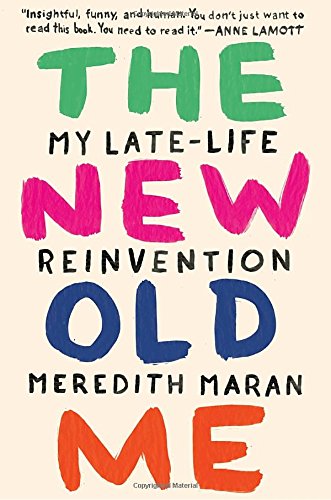
Just released today. With a great title! Look forward to reading this book. I found this part of her author's profile interesting. "Like a lot of women her age, MEREDITH MARAN has a hard time believing she’s a woman of her age. And yet she’s published more than a dozen books". I think she is an author worth following.
(Click on titles and order here)
The New Old Me: My Late-Life Reinvention by Meredeith Maran
Another new book that caught our attention is................. Oath of Honor: A Thriller by Matthew Betley
This book's author spent 10 years in the Marines. The book has Marines and the FBI and a lot of action and holds your attention. The book has just become available.
Portraits of Courage by George W. Bush / He paints and shows his heart.

The new book that has recently been released by George W. Bush is a wonderful book. Portraits of Courage: A Commander in Chief's Tribute to America's Warriors
I don't know how, as a reviewer, I could do this book justice it deserves? To find a former President and Commander in Chief who shows his heart this long after his term was over, and to do it in in such a touching way, is the real message.
He wrote about why he took up painting, and also why he focused on veterans. I just don't want to try to improve on what he said.
The book contains has his own paintings and then brief stories about those in each painting. He talks about their challenges. The faces are real, and it makes the book real. Buy the book. If you buy it online, click here to do so. If not here then just go to some of the many book review sites or pick it up locally.
His book matters.
The 7 Habits of Highly Effective People /Are you understood?
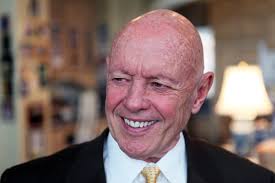
Several years ago I had an opportunity to speak to a group as one of two planned speakers. The other speaker was Stephen Covey. Yes, it was a little intimidating and before I mention one of his books I will tell you a little about it. It was at a Singles Ward in our Church. He was the invited speaker and I was the assigned speaker from our Stake. I had no idea that I was going to precede him that day. I sat by this bald guy on the stand and wondered who he was at first.
At the time we were living in Salt Lake City and it was easy enough to pull a speaker from the Provo area if someone had a connection. I wish I could tell you what I talked about that day, or even what he talked about. I just don't remember but I do remember how I felt. This is sort of the flip side of Maya Angelo. Remember she said:
“At the end of the day people won't remember what you said or did, they will remember how you made them feel.” Well I could change that to read like this: At the end of 20 years you won't remember anything about what you said when you were the first speaker with a man like Stephen Covey, but you will remember how you felt. I remember clearly that no matter what I said as the first speaker that no one would want me to be taking up the time.
When I was in college I took a speech class. The last time we each presented a talk to the class was a big factor in our grades. I had a very good speech ready and knew I would do well. What I didn't know was that the speech before me was so good it blew everyone away. We were awestruck. When I got up I just gave my speech. I should have gotten an A. It was a good. When the instructor discussed my talk with the class afterwards he said the lesson to be learned was that when you follow a amazing speech the only chance you have is to diffuse the excitement. He said don't just jump in with your message but comment on how wonderful the other message was and let the excitement come down a little. I got a B because I didn't do that.
When I preceded Stephen Covey I did think of that. I figured the excitement was coming, so I shortened my talk some. I also mentioned that I was excited to hear from him. It seemed to work.
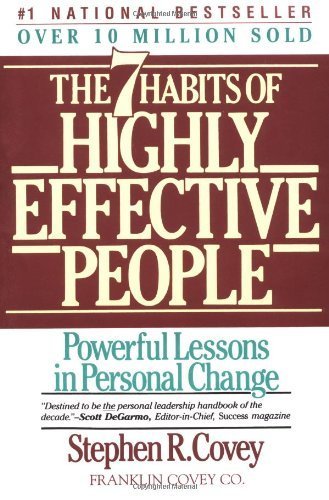
I wrote a new post in the Creativity Tab about "The Habit of Creativity". In that post I mentioned Stephen Coveys book The 7 Habits of Highly Effective People. I do want to recommend that book. Those habits can help creativity, and also help us develop personal excellence.
Aristotle said “Excellence is never an accident. It is always the result of high intention, sincere effort, and intelligent execution; it represents the wise choice of many alternatives. It is choice, not chance that determines your destiny.” It seems clear that excellence can be the end result of good habits.
The 7 habits are listed below. The book was first written in 1989 just a couple of years before my speaking event happened. These habits are still of value and I would recommend the book and these habits for your study.
1. Be Proactive
2. Begin with the End in Mind
3. Put First Things First
4. Think Win Win
5. Seek First to Understand, Then to Be Understood
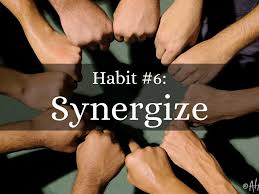
6. Synergize
7. Sharpen The Saw

How Bad Writing Destroyed the World by Adam Weiner / Any Rand and the Literary Origins of the Financial Crisis
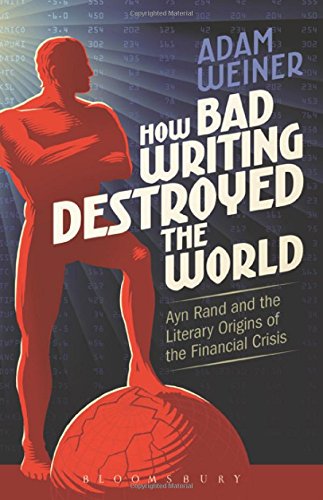

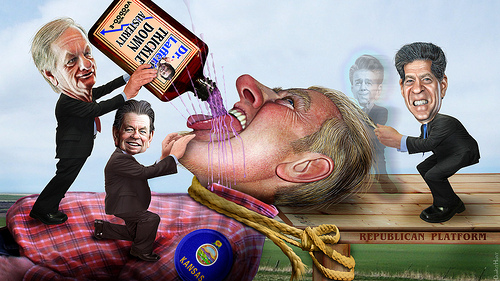
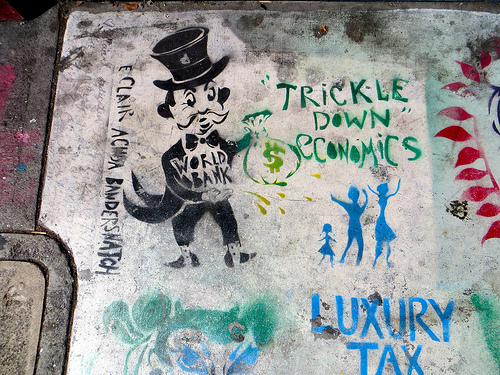
Adam Weiner's book, "How Bad Writing Destroyed The World" takes some of the thinking that has influenced the world for the last 75+ years and ties it to a surprising source.
The "Bad Writing" refers to a Russian author, Chernyshevsky. In 1863 he wrote a book "What is to Be Done". One chapter in the book, "The most atrocious work of Russian literature", sums it up.
Chernyshevsky socialist philosophy was called "rational egoism". How this philosophy became the foundation of Ayn Rand, the arch-capitalist, is the shared belief that "the rational pursuit of selfish gain on the part of each individual must give rise to the ideal form of society". The book also caught the attention Lenin, Dostoevsky, and Nabokov. How their philosophies (also?) meshed with the book was also also discussed in the book.
Ayn Rand's fled to the south where she went to the University of Petrograd. Years later she came to the United States.
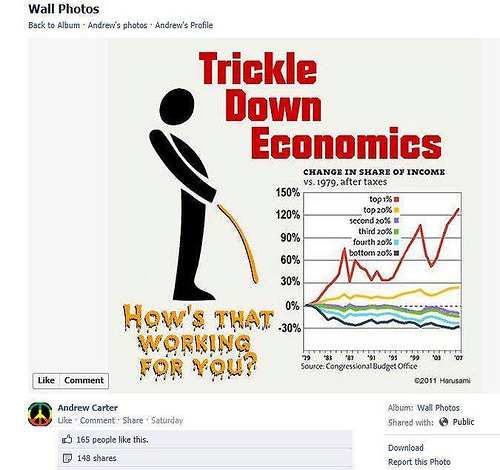
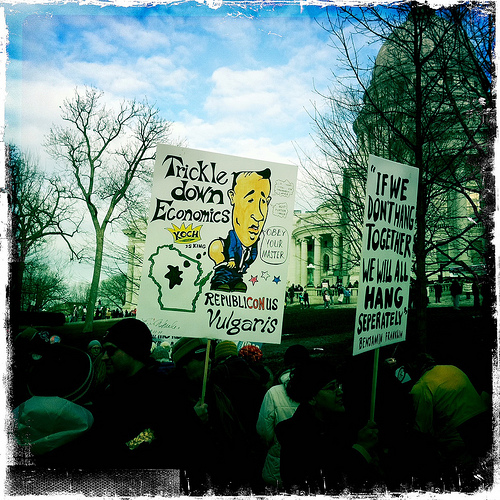
She is best known for her book "Atlas Shrugged" and "Fountainhead". Capitalism, limited government, the individual, the free market, and eventually trickle down economics, were her areas of focus.
Her book "Atlas Shrugged" was reviewed by Whittaker Chambers who, with William Buckley, were the other well known conservatives of the last century. When Chambers said of her book that it was a "fairy tale" their relationships ended. (I think he was right)
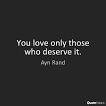
In other writings Rand said of herself that she was the smartest philosopher the world had ever had, except Aristotle. She also said that with a free market that, the rich get richer and the poor are hurt sometimes, but then "they deserve it". For her the free market rewarded brains. She thought people would naturally do the right think in a free market, because self interest meant people would protect their reputation.
A early disciple of her's was Alan Greenspan. He would later say he knew economics but didn't know why people acted the way they did. He felt Ayn Rand had helped him with that.
By the time he served as Chairman of the Federal Reserve from 1987 to 2006 he was very much in her influence. After the banks crashed in 2008 the congress called him in and asked him why he had reduced all the regulation that was in place that seemed to have caused the crash? He said he had made a mistake. He said he knew economics but didn't understand people, and felt that the free market would cause people to do the right thing for the sake of their reputation. He misjudged greed, and admitted it.
The book is interesting, relevant, and worth reading.
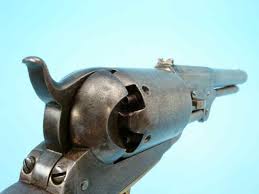
The Empty Land, by Louis L'Amour

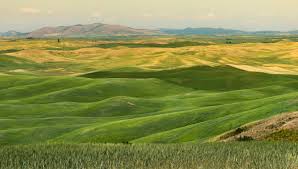
A trapper found a chunk of gold, and in six days Confusion, a new gold-mining boom town near todays Ely, Nevada, appeared where there had been nothing for thousands of years. New discoveries always attracted honest men who came to work the mines, but along with them came thieves, gamblers and outlaws. In just a few days several thousand men and some women came.
Dick Felton was committed to digging his fortune out of a muddy hillside but the town itself was his biggest challenge. Matt Coburn found himself in the new town and his reputation for being a hardened realist and a man that had cleaned up tough towns before had followed him. The town lacked law and order and the mines themselves became the target of a violent plot. Matt Coburn wanted no part of Confusion because too many of his enemies knew he was there, but he found himself with only one way out with honor, but it could cost him his life.
On one side are those who understand only brute force. On the other are men who want law and order but are ready to use a noose to achieve their ends. Matt Coburn and Dick Felton are the only thing separating these two sides, outnumbered and outgunned, they can’t afford to be outmaneuvered. For as the two unlikely allies confront corruption, betrayal, and murder to tame a town where the discovery of gold can mean either the fortune of a lifetime or a sentence of death, they realize that any move could be their last.
Humans of New York & Why we write about ourselves
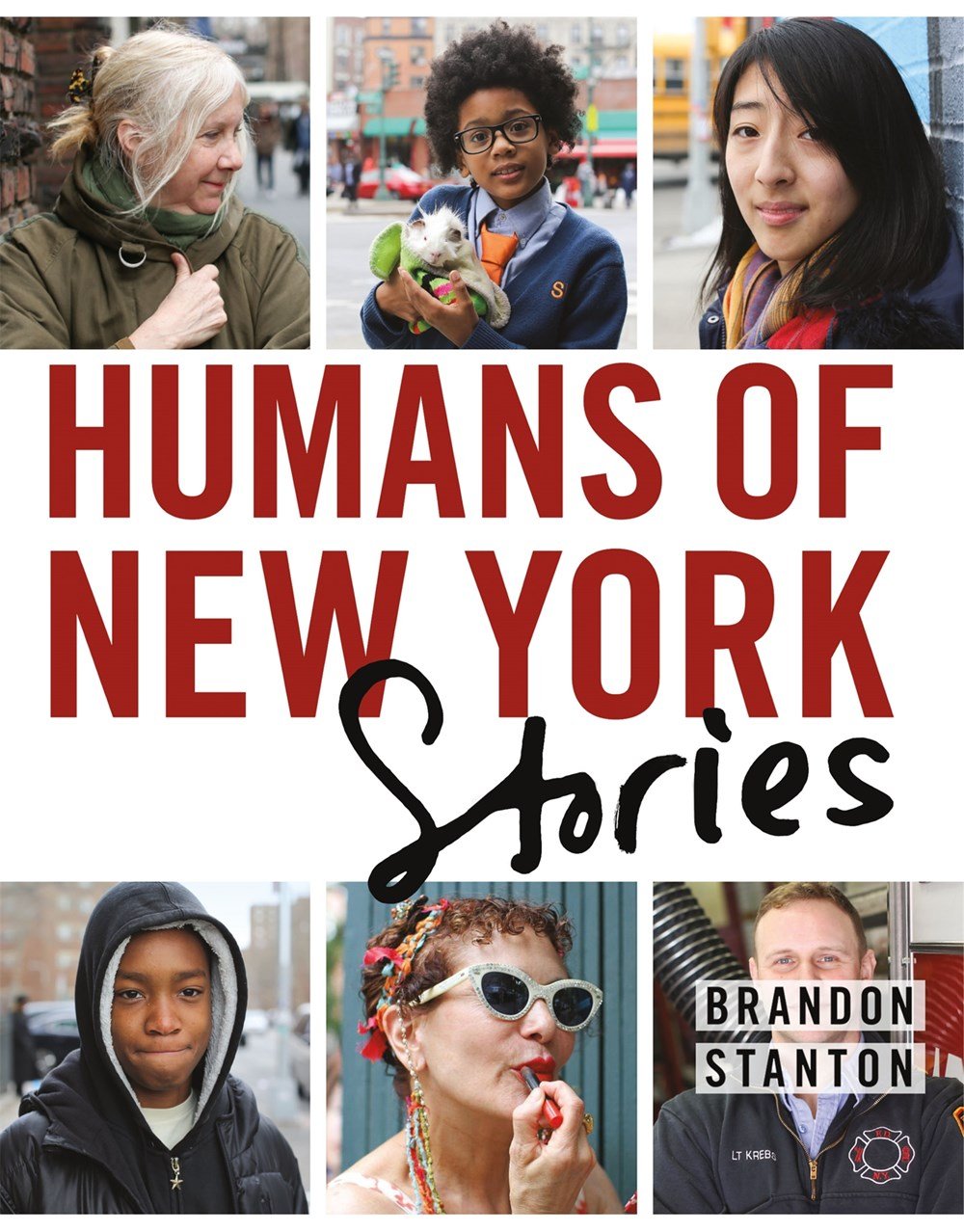
Humans of New York, by Brandon Stanton came out in 2013. It was the next step for a blog that had been started in 2010. Currently the blog, including social media, has almost 25 million followers.
The appeal of the book was of course the quality of the photography, but it also was the real interest in the people in the pictures. People wanted to know more about their lives. Brandon must have gotten a lot of feedback telling him that and that lead to the most recent version, Humans of New York, Stories. The key thing is that stories telling more about the lives of the people were added.
We want to know more about each other and that has come up in many of this blog's posts. My very first post on this blog talked about experiences I had with a group of men listening regularly to their life stories. We grew closer together and we saw our own lives differently. The success of Humans of New York and our interest in personal stories points to the rise of the the literary genre of Memoirs.
This blog contains a lot of pictures in the various tab sections. This is because the visual images take you out of where you are, and stimulate thoughts, so that you can then connect with the images.
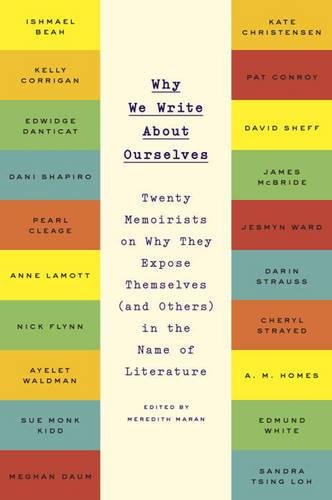
The author/editor, Meredith Maran, put together a book on the subject of life stories and memoirs; her approach is a good next step looking into why this is so interesting.
“Why we Write About Ourselves, Twenty Memoirists on Why They Expose Themselves (and others) in the name of Literature.
She wrote the introduction and provided comments in the book. She presented twenty successful and interesting authors thoughts on "why they wrote works of memoir". She compared this to the age-old tradition of oral history as well as their strong popularity.
I can relate to the idea of learning life stories through oral histories. My father told me stories of all our ancestors, as he recalled them. Great Grandparents, Uncles, Aunts, Cousins and more. He told their stories and I should add that he did it over and over again. I often thought that I might just tell him, “Dad, I heard that story before” but I never did. I'm glad I didn’t.
The twenty writers chosen by Merideth presented their thoughts in similar formats. They each answered the question of "why they wrote about themselves".
One author, Ishmael Beah, is well known for his memoir “A Long Way Gone: Memories of a Boy Soldier”. I remember when this was released, some critics said it wasn't authentic. It was about the author having been pushed into service in the army of his country, Sierra Leone, as a 12 year old boy. This author talked in Merideth's book about how that made him feel to be called a fake. He also addressed the question of why he wrote, saying he wrote his memoir to “prove his existence”.
Kate Christensen has written several books, and her comments about her memoir caught my attention, particularly when she discussed her divorce at about age 50, and then marrying a man 20 years younger than her. She said it worked out great and talked about it some. She said that over her years as a writer, journal-keeping had really helped her develop her skills. She also said that at a young age she became enthralled with autobiographies, biographies, and journals, especially of famous people, and that she wanted to explore the existence of others. (She wrote The Great Man and other books)
Kelly Corrigan, explained that “she had an insatiable hunger to know the intimate details of other people’s lives”. It seemed like that helped her to understand that her readers could want to know more about her. A lot of what she is about relates to her family. (She wrote Glitter and Glue: A Memoir and others)
Jesmyn Ward tells her story of being a poor black women growing up in rural Mississippi. It is a success story, even though her life had plenty of challenges. She started out as a fiction writer. Like so many good writers she had a purpose. She said “that there were other people out there living through (what she did) who were wondering why nothing of their experience was being reflected back to them in the media, TV, books, or anything.” They couldn’t see themselves in the outside world and she wanted her book to reach them. (See wrote Salvage the Bones: A Novel and others)
These books have similar implications. They show the interests we have in each other. The book “Why we Write About Ourselves" was well worth it.
The Gifts of Imperfection by Brene`Brown
Thank you to those new people who logged on to see the post on “Craft A Life You Love, by Amy Tangerine. The book had a good story and good message that has application to gaining insight into inspiration and creativity.
I also like the book “The Art of Memoir, by Mary Karr”. It’s focus is on writing and a the love of literature but it still reveals a lot about what real passion for one’s craft or work is. Right at the beginning she says that “there is a place in hell for writers that quote themselves………….” It worries me! It was a great book. Her love of writing just shines through the message.
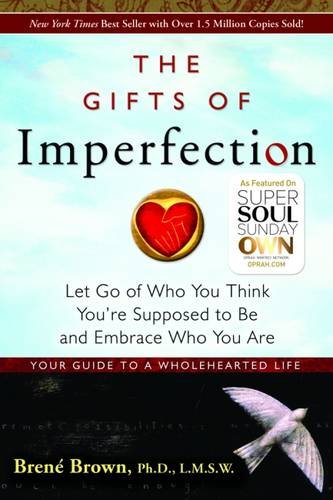
Brene` Brown is a well-known author. She comes across very polished as does her book. The Gifts of Imperfection, Let Go of Who You Think Your're Supposed to Be and Embrace Who You Are, Your Guide To A Wholehearted Life, by Brene` Brown.
The book is very well done. In some ways I would call it polished. Dr. Brown seems polished too. It put me off a little, at first.
I have read so many self-help books that they tend to blur together. Remembering her talking on "Ted talks", giving a flawless presentation, just reminded me that the subject of personal imperfections just doesn’t have solutions that can be presented with such polish.
Her book started out to quickly take her out of the world of research she had spent so many years in, and bring her to the same table with those many folks who had such personal struggles with self-doubt and identity. She needed and obtained common ground with the problems she discussed.
In the preface of her book she said:
“How much we know and understand ourselves is critically important, but there is something that is even more essential to living a “Wholeharted life”: loving ourselves.”
She presented her own version of re-inventing herself, to tell her story, and this is the book that resulted from that. She suggested that love and compassion were the keys to the change but early in the book talked about the challenging reality of digging into those type of subjects.
I liked her finding and comment that we only can love others to the degree that we love ourselves.
I thought this finding was interesting in that it verifies how insightful many of the scriptures are. Both the books of Matthew and Mark talk about the two greatest commandments. First, to love the Lord, and the second was, "Thou shalt love thy neighbor as thyself. Loving your neighbor, according to this advice, needs to follow having learned to love yourself first. This was an important part of Dr. Browns message, and her findings also.
I liked her comments on how we define our self. She observed that people struggle with the question often asked, “What do you do”? She said offering a simple answer just for the sake of the one asking it, was and is, unfair. Her approach of instead saying “How much time do you have?” was great.
I also liked the idea of offering a series of answers since we are all somewhat complicated. If it were me answering I might say that I am a Thinker/Reader/Writer/Entrepreneur/Business Owner/Business Executive/Lover of a good movie/the Utah Jazz/ and a night out. This answer works for me.
Reading her book softened the perception I had of Brene` Brown. Her insight was real and based on hard work on her part.
I don’t think there is any one book on self-improvement that I would say is the solution. She talked about her point in time when her imperfections forced her to look in the mirror. The right book might do that for you. If it is the right 20th book that is ok too.
Click on the link. Go to Amazon and buy her book. Check out our Books Tab and our Arts and Creativity Tab
Craft, A Life you Love by Amy Tangerine

Does loving what you do attract creativity? Does it feed your soul?
The book "A Life You Love by Amy Tangerine” discusses how to “craft a life and soul that you love.” Amy asks, “what is it that we love?” She then presents this quote from Howard Thurman, an influential African-American author, philosopher, theologian, educator, and civil rights leader. “Don’t ask yourself what the world needs. Ask yourself what makes you come alive, and go do that because the world needs people who have come alive.”Amy makes you feel her love for her craft, which is an excellent book.
Thoughts on Creativity
Emotions and feelings fuel action and are discussed as tools to break through to the subconscious. The conclusion is evident that we need to find ways to think good thoughts and have good feelings.
Leonardo da Vinci said that artists are "links in a chain.” They build on what they find, and what they add becomes something the next artist can continue to build on. "Creativity" is what is added.
Connected Life Events flow from books, your creativity, and the invention of others.

Stories of Your Life and Others by Ted Chiang & The Movie
Which was better, the book or the movie?
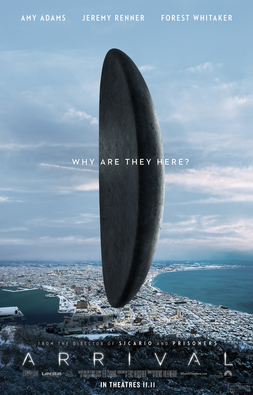
The book “Stories of Your Life and Others” by Ted Chiang was a different reading experience for me. This is because I went to the show and saw the movie when I finished the book. “Arrival” is based on one of the nine chapters in this book. I went to the front the same day I finished the book.
This proved to be very revealing. Usually, a book is the better option between movies and books, and there are many good reasons for that.
The plot usually is better in a book. You can see into the character’s minds and thoughts. You know more about the characters. You know their history. You may be exposed to a lot of side stories. When they do something, it can be clearer why they are doing it with more depth of knowledge.
You have more freedom to imagine the surroundings in your way. When you read, you can use all of your own experiences to add to the descriptions and things that happen.
In a movie, sometimes the actors do a poor job or are poorly cast for their roles. They can be such beautiful, or maybe ugly people, that their presence distracts from the plot. You can be influenced by sound or poor acting to the extent that you lose track of the plot's intent.
This movie and this book were significant exceptions to what usually is the case.
The first problem was the plot. The plot in the book seemed to be the central theme of aliens landing in several places on the earth and efforts made in trying to communicate with them. What seemed like a subplot in the book were the memories of the linguist, Dr. Louise Banks. She kept remembering her daughter’s death and many specific events in her short life. Those memories popped up in paragraphs that just seemed at times as a sidebar thought and not the main story. That more important story of the alien’s arrival appeared to be the main storyline in the book. The purpose of those memories wasn’t clear or understood until the end of the story in the book.
We were left too much room to project our thoughts about why the memories were occurring and didn’t see the connections.
In the movie, those memories turned out to be as necessary or more important than the alien’s visit. The movie seemed to have more control over the memories plot. It could emphasize some of those very relevant memories to the overall event. The power was in the advantage of being able to imply connections to things by flashbacks. The repetition was itself a statement. Seeing the facial expressions as the mother remembered things was a real advantage.
The relationship that evolved between the two key actors was detected much sooner in the movie, again because you could see their faces by just watching them together. This is another area where it wasn’t clear in the book how they felt about each other until the end.
This movie was better than the book.
The movie “Arrival” left me in awe at the plot. Not just the arrival but all that happened. The book “Stories of Your Life” left me unclear about what brought about the event.
Books often precede good movies. They are usually so much better that it is assumed that you’re better off with the book. It isn't unusual to walk out of the theater and hear someone saying to a friend, "O, the book was so much better.”
Both books and movies are influences of importance. Both can teach you and help you understand yourself better. Through both, you can have experiences you wouldn’t have otherwise been able to. Don’t discount movies as being literary influences.

