
Finding Your Creative Potential through Open-Mindedness →
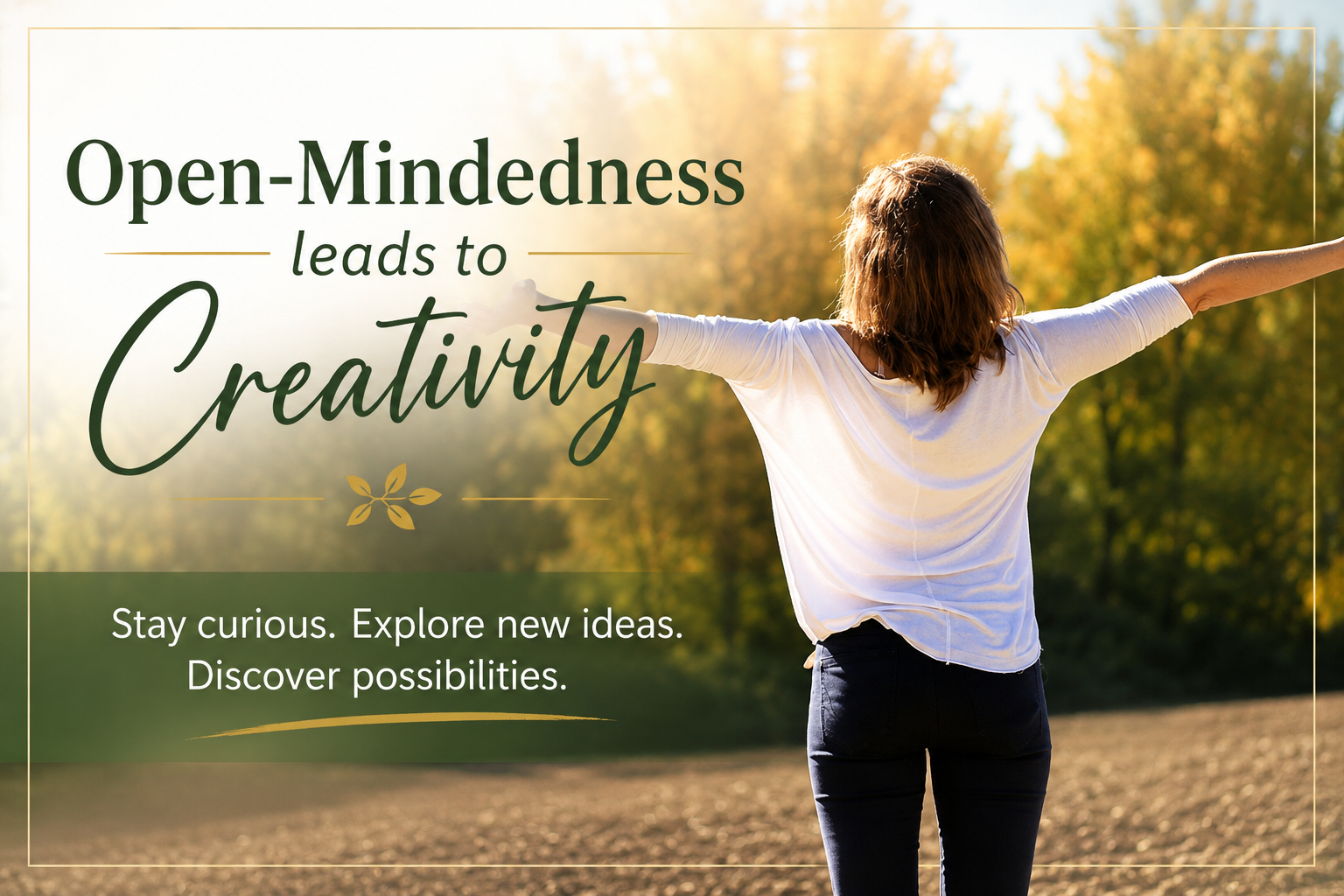
Creativity is often associated with artists, writers, musicians, and inventors. Yet creativity extends far beyond the arts. It shapes the way we solve problems, build relationships, make decisions, and adapt to change. At its heart, creativity begins with a willingness to see possibilities that others may overlook.
That willingness depends on open-mindedness.
Being open-minded does not mean lacking convictions or accepting every idea as equally valid. It means recognizing that our understanding is always incomplete. It means being willing to listen carefully, ask thoughtful questions, and consider that another perspective might reveal something we had not yet seen.
People who are open-minded do not fear having their ideas challenged. They welcome it.
Growth rarely happens when we surround ourselves only with opinions that confirm what we already believe. It happens when we encounter different experiences, different viewpoints, and different ways of understanding the world. Every meaningful conversation, unexpected experience, or difficult question has the potential to expand our thinking.
Curiosity is one of the great companions of open-mindedness.
Curious people explore rather than defend. They ask "What can I learn?" before asking "How can I prove I'm right?" That shift in perspective opens the door to creativity because creativity thrives where curiosity is allowed to wander.
When we become convinced there is only one correct answer, we unintentionally narrow our ability to imagine alternatives. Innovation becomes difficult because every new idea is measured against assumptions we have stopped questioning.
Open-mindedness challenges those assumptions.
It encourages us to examine our habits, reconsider long-held beliefs, and remain willing to revise our thinking when new understanding emerges. Revision is not weakness. It is evidence that learning continues.
This applies as much to our personal lives as it does to our work.
Many of the most important changes in our lives begin with a single question:
What if I've been looking at this differently than I should?
That question has the power to reshape relationships, careers, goals, and even the stories we tell ourselves.
Creative people are not necessarily those with the greatest natural talent. Often they are simply the people who remain willing to explore, experiment, and see familiar situations through fresh eyes.
Perhaps creativity is less about producing something new than about learning to notice what has always been there.
Finding your creative potential begins with something surprisingly simple:
Remain curious.
Stay teachable.
Be willing to revise your thinking.
Because every new perspective has the potential to become the beginning of your next creative idea.
Attitude Is Shaped by What You Allow Yourself to Feel
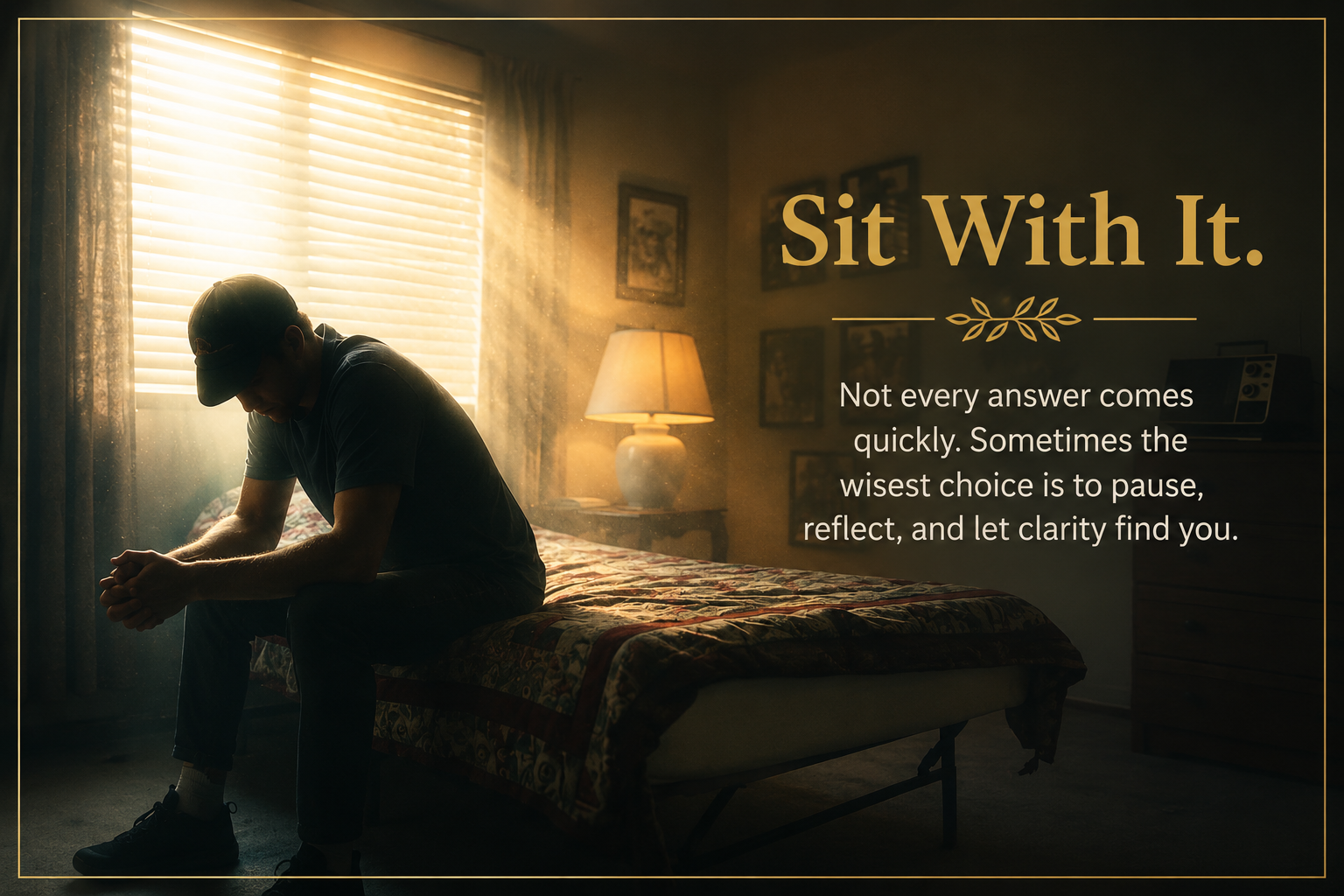
We often think of attitude as something we choose. A decision to be positive. A mindset we can control. But it forms more quietly than that.
Attitude is shaped over time. By how we interpret what happens. By how we respond to what we feel. By what we carry forward.
Emotions are part of that process. They are immediate. They surface quickly and influence how we react before we have time to think.
Feelings stay longer. They begin to shape how we see situations, people, and ourselves.Over time, they contribute to something more stable.
What we call attitude. We often try to manage this by suppressing emotion.
Especially the ones that feel uncomfortable. Frustration. Sadness. Uncertainty.
But what we ignore doesn’t disappear. It stays with us. And often shows up in other ways. Tension. Stress. Awareness changes this.
Not by controlling emotion. But by making space for it.
When we notice what we’re feeling — without immediately judging or correcting it — something shifts.
Emotions begin to feel less like obstacles.
And more like information. They tell us:
what matters
what feels threatened
what needs attention
This awareness shapes how we relate to others.
We become less reactive.
More deliberate.
More capable of listening without projecting our own patterns into the conversation.
Over time, attitude becomes less about control. And more about orientation. Where attention goes. How meaning is formed. What is allowed to stay.
This is where growth begins. Not by forcing change.
But by allowing a clearer understanding of what is already there.
Stretching, in that sense, is not about pushing harder.
It’s about expanding your ability to notice. To respond. To choose more intentionally.
Emotional intelligence is often described as a soft skill. But in practice, it’s something more foundational.
It shapes how you think.
How you communicate.
And how you show up over time.
That connection between awareness, emotion, and communication is something I explore more directly in the book The Power of Authentic Communication: In a World Full of Noise, Authentic Communication Stands Out.
If you’ve read the book and something in it stayed with you, I’d be interested in what that was. ( or leave a review on Amazon)
Attitude and the Quiet Practice of Gratitude

Originally written in 2023. Revised in 2025 as a reflection on how gratitude functions less as optimism—and more as attention.
Attitude shapes more than our mood. It shapes how we meet other people, how we interpret events, and how we make sense of ourselves over time. Often, it’s less a conscious choice than a pattern we fall into—one that quietly influences our days.
A positive attitude isn’t about forcing optimism or denying what’s difficult. It’s about where we place our attention. Gratitude plays a role here—not as a cure-all, but as a grounding practice. When we pause to notice what’s steady, supportive, or still working, even in small ways, our perspective shifts. Not dramatically. Just enough to create space.
Gratitude also changes how we relate to others. Appreciation invites empathy. It softens conversations. It reminds us that most relationships are built not on grand gestures, but on being noticed and valued in ordinary moments. People tend to respond to that—not because it’s performative, but because it’s human.
Of course, maintaining this outlook isn’t easy. Setbacks, uncertainty, and fatigue make gratitude feel distant at times. But this is where it matters most. Not as denial, but as acknowledgment. Even in difficult seasons, there is often something that remains—a lesson, a connection, a moment of clarity, or simply the capacity to continue. Recognizing that doesn’t erase hardship, but it can make it more navigable.
Over time, attitude becomes less about positivity and more about intention. Where we look. What we hold onto. What we choose to carry forward. Gratitude doesn’t promise a better life, but it often helps us see the one we’re already living more clearly.
Attitude and the Power of Gratitude
Attitude and the Power of Gratitude
Attitude shapes the way we see the world and how the world sees us. It reflects our emotions, beliefs, and behaviors, influencing not only our interactions with others but also our own growth and happiness. A positive attitude can help us overcome challenges, pursue our goals, and build a fulfilling life. A negative attitude, on the other hand, often drains energy, fuels stress, and limits our potential.
A positive outlook doesn’t mean pretending everything is perfect—it means training the mind to look for what is still good and possible. One of the most effective ways to nurture this mindset is through gratitude. When we take time to notice what we’re thankful for—a trusted friend, a quiet moment, or even a lesson hidden inside a setback—we shift our focus from what’s missing to what’s meaningful. Gratitude restores perspective and anchors us when life feels uncertain.
Gratitude also transforms our relationships. When we lead with appreciation, we open the door to empathy, kindness, and respect. People feel valued when their contributions are noticed, and we are naturally drawn to those who radiate optimism and gratitude. Such connections deepen trust and create an atmosphere where collaboration and care can thrive.
Of course, positivity is not effortless. Life brings setbacks, disappointments, and doubt. A healthy attitude doesn’t ignore these emotions—it acknowledges them and then chooses how to respond. Gratitude can be a compass in such moments, reminding us of what remains: the strength to keep going, the lesson learned, or the simple fact that we are not alone. Combined with mindfulness, supportive relationships, and practices that bring us joy, gratitude helps us navigate hardship with resilience and clarity.
Our attitude, more than circumstances, often determines the quality of our days. By cultivating a grateful mindset, we not only uplift ourselves but also shape a kinder, more connected world. Positivity takes practice, but its rewards ripple outward. Each time we pause to give thanks or share kindness, we create a brighter path—for ourselves and for those around us.
The Quiet Strength of Gratitude →
Attitude shapes the way we see the world—and the way the world sees us. It’s more than a passing mood; it’s a reflection of our emotions, beliefs, and behavior. A positive attitude doesn’t guarantee ease, but it makes challenges feel more manageable. It helps us stay grounded, connected, and hopeful.
A healthy mindset doesn’t mean pretending everything is fine. It means choosing to see what’s still good—even when things aren’t perfect. And one of the most powerful ways to do that is through gratitude.
When we focus on what we’re thankful for—whether it’s a kind word, a small success, or a peaceful moment—we shift our perspective. Gratitude reminds us that even in difficulty, there’s something to hold onto. It helps us stay resilient, present, and centered.
Gratitude also changes the way we relate to others. When we lead with appreciation, we create space for empathy, kindness, and trust. We begin to recognize the value people bring into our lives—and that deepens our relationships. People are naturally drawn to those who reflect optimism and sincerity.
Still, positivity isn’t always easy. Life will test us. It’s okay to feel discouraged, angry, or lost. The point isn’t to avoid those emotions—it’s to meet them with intention. Gratitude isn’t a shortcut past pain; it’s a companion through it. It reminds us that we’re not alone, and that something meaningful remains—whether it’s a lesson learned, a helping hand, or the courage to begin again.
Attitude is a choice, but it’s one we have to renew daily. Gratitude makes that choice easier.
So take a moment. Breathe. Look around. What’s still good? What can you give thanks for today?
Let that be your starting point.
Are Your Attitudes a Mirror of Your Authentic Self? →

Are Your Attitudes a Mirror of Your Authentic Self?
By Brent M. Jones — April 13, 2025
Yes, your attitudes can reflect your authentic self. Attitudes—our learned predispositions to respond positively or negatively to people, ideas, and experiences—are often shaped by our values, beliefs, and lived experiences. When these attitudes align with your core self, they serve as expressions of authenticity.
Understanding that attitudes are both reactions to the world around us and reflections of our internal world can be incredibly empowering. They provide insight into your personal worldview, offering a snapshot of your values and emotional orientation. When expressed with awareness, your attitudes become a powerful tool for communicating who you really are.
Authenticity is the practice of being true to your inner self—and that includes acknowledging and expressing your attitudes honestly. But when your attitudes are out of sync with your core values, it can lead to cognitive dissonance—a state of internal discomfort that often signals a need for change. In these moments, you're faced with a choice: shift your attitude or adjust your behavior to restore internal harmony.
For example, if you genuinely value environmental responsibility, you're likely to have a strong, positive attitude toward sustainability and climate action. Likewise, if you find social media unfulfilling or intrusive, your negative attitude toward digital platforms may be an honest expression of your inner truth.
Examining your attitudes—especially those that feel conflicted or extreme—can become a powerful path to personal growth. Doing so helps you become more conscious of how you engage with the world and whether that engagement reflects who you really are.
Yes, social pressures often shape our attitudes. But staying grounded in your core values and beliefs—even when they challenge the norm—is the essence of living authentically. And that authenticity isn’t just about being “right”; it’s about being real.

Attitude Can Be an Effective Soft Skill

Soft skills, a combination of interpersonal, social, and communication skills, character traits, attitudes, and mindsets, among others, are desirable and integral in all professions.
Attitude, the manifestation of our inner motivations, values, and aims, has the power to transform our professional lives. A positive attitude can elevate collaboration, communication, resilience, problem-solving abilities, and customer relationships, inspiring us to reach new heights in our careers.
Emotion is sometimes the driving force behind our attitudes and behavior. As such, emotion plays a significant role. Soft skills combine interpersonal, social, and communication skills, character traits, attitudes, and mindsets that are highly valued in all professions. Attitude refers to our behavior based on motivations, values, and aims.
A positive attitude can enhance collaboration, communication, resilience, problem-solving abilities, and customer relationships. Emotion can sometimes be the driving force behind our attitudes and behavior.
Emotion, a significant force in our attitudes and behavior, also plays a crucial role in decision-making. It influences how others persuade us to change our attitudes and behavior, but being aware of this can empower us to make more mindful decisions, taking control of our professional interactions.
Attitude, a soft skill unique to each of us, is a journey of self-discovery and growth. Cultivating a positive attitude involves deep self-reflection, setting clear goals, practicing gratitude and resilience in the face of challenges, and engaging in personal development.
Intellectually Arrogant People See Themselves as the Master of a Particular Subject. →

Intellectual Arrogance vs. Humility: Why It Matters
Arrogance can sometimes drive people to challenge norms or step outside their comfort zone. But more often, it closes minds instead of opening them.
Intellectual arrogance is the belief that you're always right—and that others have little or nothing to teach you. It blinds even intelligent individuals from seeing the truth or learning from others.
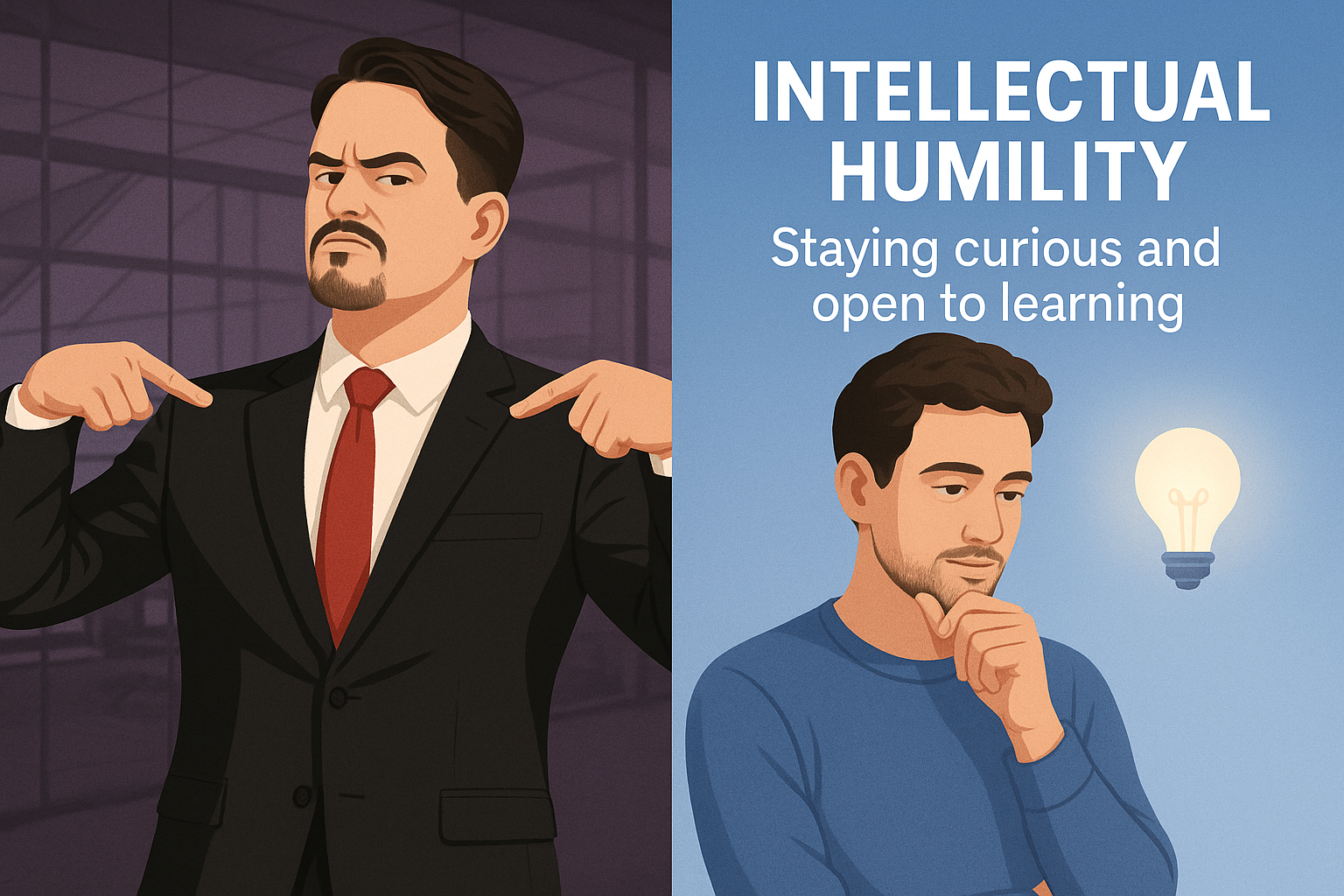
By contrast, intellectual humility is the recognition that your views may be flawed, your perspective limited, and that learning is a lifelong process. This mindset keeps you open, curious, and better positioned to grow—especially through input from peers, subordinates, or even reverse mentors.
Examples of intellectual humility:
I question my own opinions, knowing they might be wrong.
I reconsider my thinking when new evidence appears.
I recognize value in perspectives that differ from mine.
I’m willing to learn from those with less experience—especially in areas like technology or emerging trends.
Warren Buffett once warned:
“The one bad habit to pay close attention to is intellectual arrogance. Ignoring it becomes self-destructive in the long run.”
If you believe you’re smarter than everyone else, you’ll stop listening—and you won’t grow. You won’t even realize what you’re missing, because you won’t let anyone show you.
The need to prove you’re the smartest person in the room often undermines relationships and professional credibility. The most insightful leaders are those who remain open to wisdom in all its forms—from philosophical reflection to the cutting edge of what others are discovering.
Because let’s face it:
If you're always the smartest person in the room, you’re in the wrong room

Why Gratitude Is at the Heart of a Positive Attitude →

Attitude and the Power of Gratitude
Attitude is an essential component of our lives, influencing our interactions with other people. It is the reflection of our emotions, beliefs, and behaviors, and it has a significant impact on our personal growth and happiness. A positive attitude is a powerful tool to help us overcome challenges, achieve our goals, and lead a fulfilling life. On the other hand, a negative attitude can hold us back, cause stress and anxiety, and limit our potential.
A positive attitude means having a mindset that looks for the good in every situation, regardless of how challenging it may be. One of the most effective ways to develop this outlook is by practicing gratitude. When we intentionally focus on the things we’re thankful for—whether it’s a supportive friend, a moment of peace, or even a small success—we reinforce a sense of possibility and hope. Gratitude shifts our perspective, helping us stay motivated and centered even when life becomes difficult.
A positive attitude also helps us build better relationships with others. When we lead with appreciation, we create space for empathy, kindness, and mutual respect. Gratitude encourages us to recognize the value others bring into our lives, making our interactions more meaningful and sincere. People are naturally drawn to those who radiate gratitude and optimism.
However, maintaining a positive attitude can be challenging, especially when faced with setbacks or uncertainty. It is important to remember that positivity is not about ignoring or denying negative emotions but acknowledging them and choosing to respond with intention. Gratitude can be especially powerful during these times. Even in hardship, taking a moment to reflect on what we still have—a lesson learned, a helping hand, or the strength to begin again—can offer a renewed sense of resilience. This practice, along with mindfulness, supportive relationships, or engaging in joyful activities, helps us navigate life with greater clarity and peace.
Our attitude plays a pivotal role in shaping our experiences and relationships with others. By cultivating a positive mindset grounded in gratitude, we can overcome obstacles, stay focused on what matters, and lead a more fulfilling and connected life. Maintaining this outlook takes effort and practice, but the benefits are worth it. So, let us strive to embrace positivity, give thanks daily, and spread kindness wherever we go.


Why Attitude is a Soft Skill →

Attitude is a crucial soft skill that plays a significant role in a person's success. While technical skills and qualifications are essential, having the right attitude can make all the difference in achieving one's goals. The difference between success and failure can determine how well we navigate life's challenges.
A positive attitude can help us overcome obstacles and setbacks and inspire those around us. It can also contribute to a happier and more fulfilling life, personally and professionally. On the other hand, a negative attitude can hinder progress and create barriers that prevent us from reaching our full potential.
One of the critical aspects of attitude is the ability to maintain a growth mindset. We can develop our skills and abilities through hard work and dedication. A growth mindset allows us to embrace challenges and learn from mistakes, rather than giving up or feeling defeated.
Another important aspect of attitude is the ability to remain optimistic, even in difficult situations. This does not mean ignoring problems or pretending that everything is okay. Instead, it means focusing on solutions and finding a way forward, even when things seem hopeless.
Overall, attitude is a soft skill essential to success in all areas of life. We can overcome obstacles, inspire others, and achieve our goals by cultivating positive and growth-oriented mindsets. Whether we are pursuing our career aspirations, building solid relationships, or striving for personal growth, a positive attitude can make all the difference.
Maya Angelou Quote on Attitude